
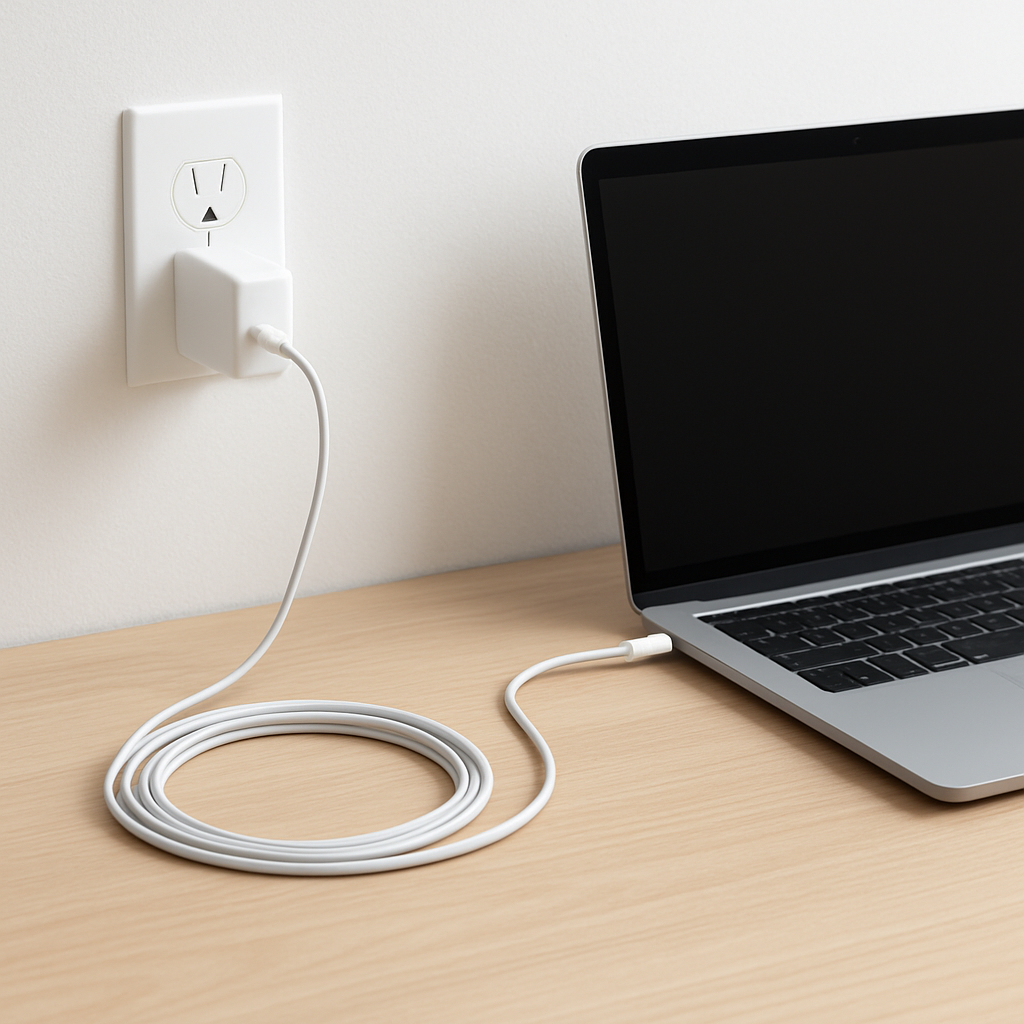
Laptop Charger Overheating Solutions — Safe Fixes and When to Replace It
Identify causes of laptop charger overheating, learn safe cooling methods, and know when replacement is necessary to prevent damage or power failure.
Overheating and power problems can affect charging safety, battery lifespan, and overall device reliability. These guides explain why chargers, batteries, and cables may overheat and what steps you can take to diagnose and fix the problem safely.
The articles below cover the most common overheating situations during charging or normal device use.
Identify causes of laptop charger overheating, learn safe cooling methods, and know when replacement is necessary to prevent damage or power failure.
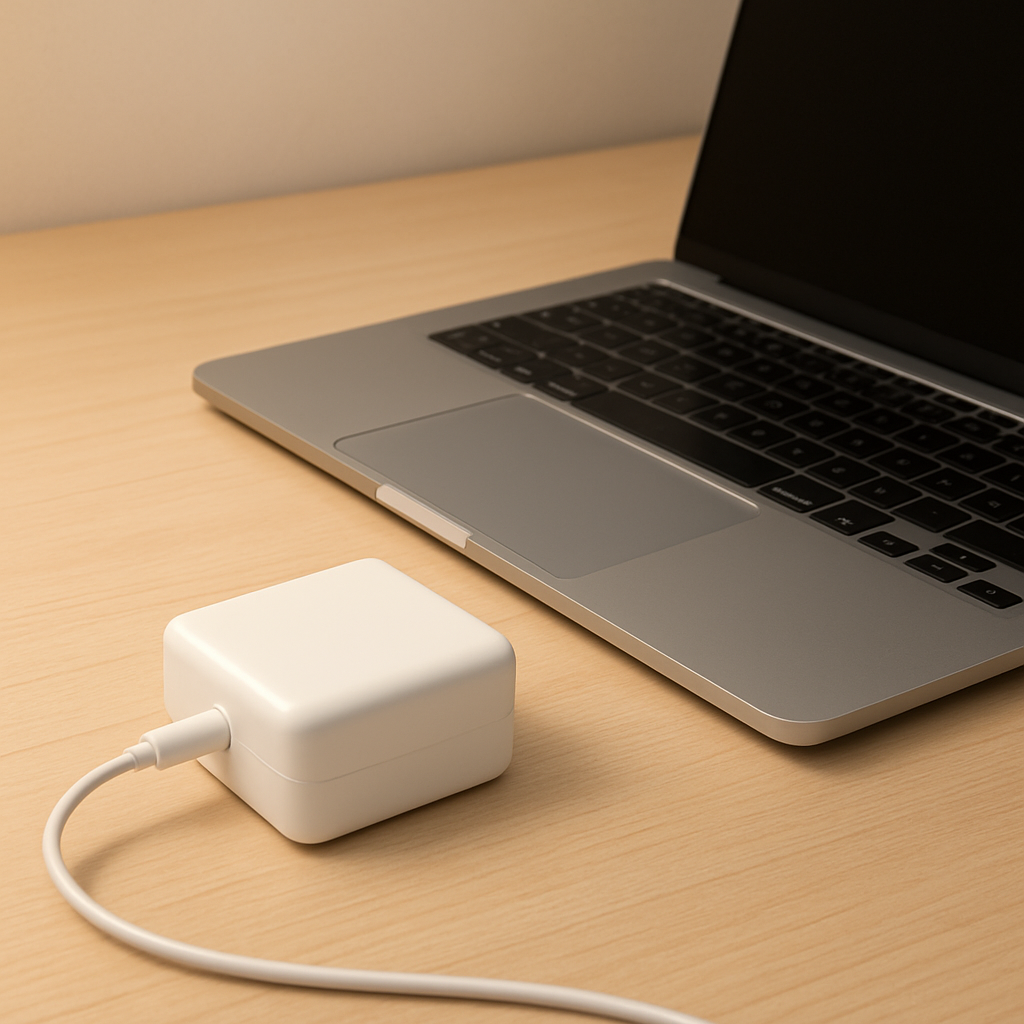
Diagnose why your laptop charger overheats by identifying electrical load stress, poor ventilation, or internal component failure, and learn targeted solutions to prevent damage and ensure safe charging.
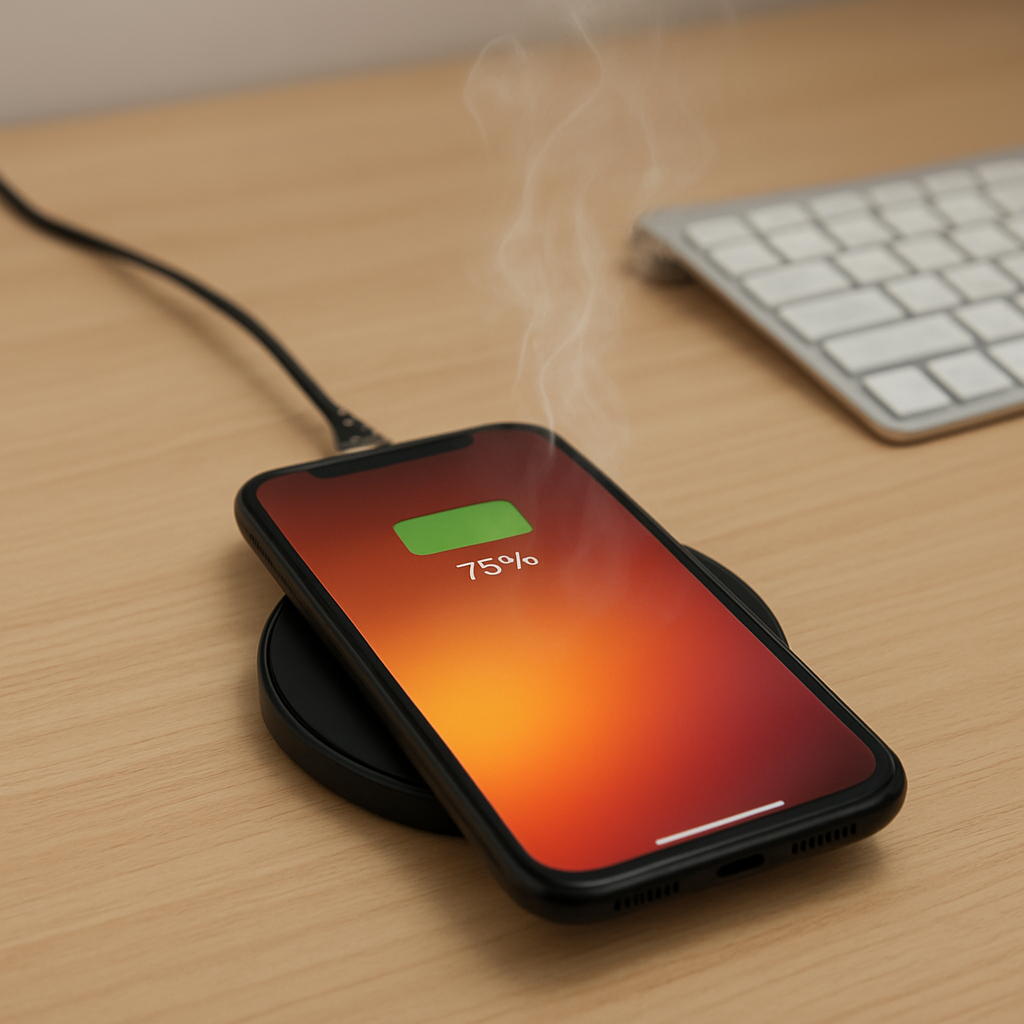
Learn to recognize charger overheating warning signs and thermal protection thresholds to prevent failure or fire risk, and know when to stop using your charger immediately.
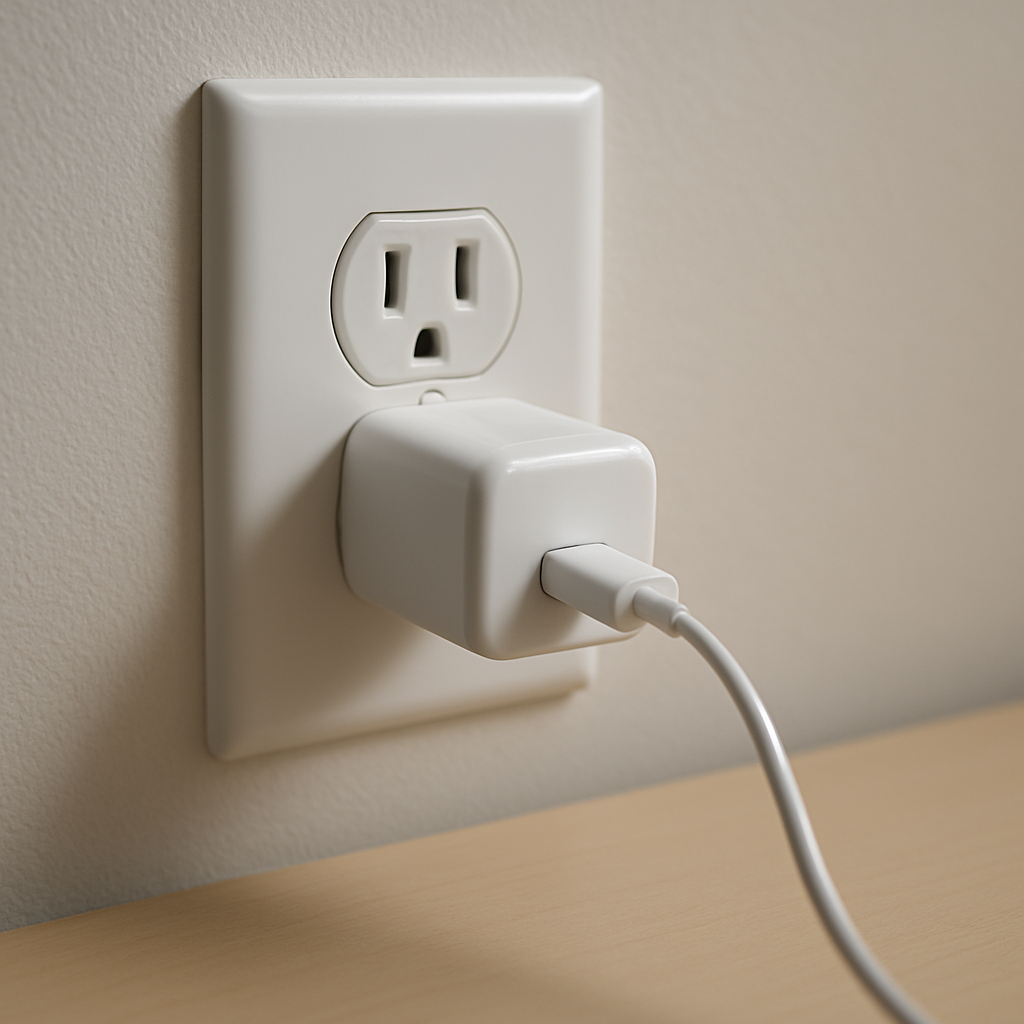
Learn how to identify if your phone charger’s excessive heat is normal or signals electrical danger, focusing on high current flow and poor ventilation as possible causes.
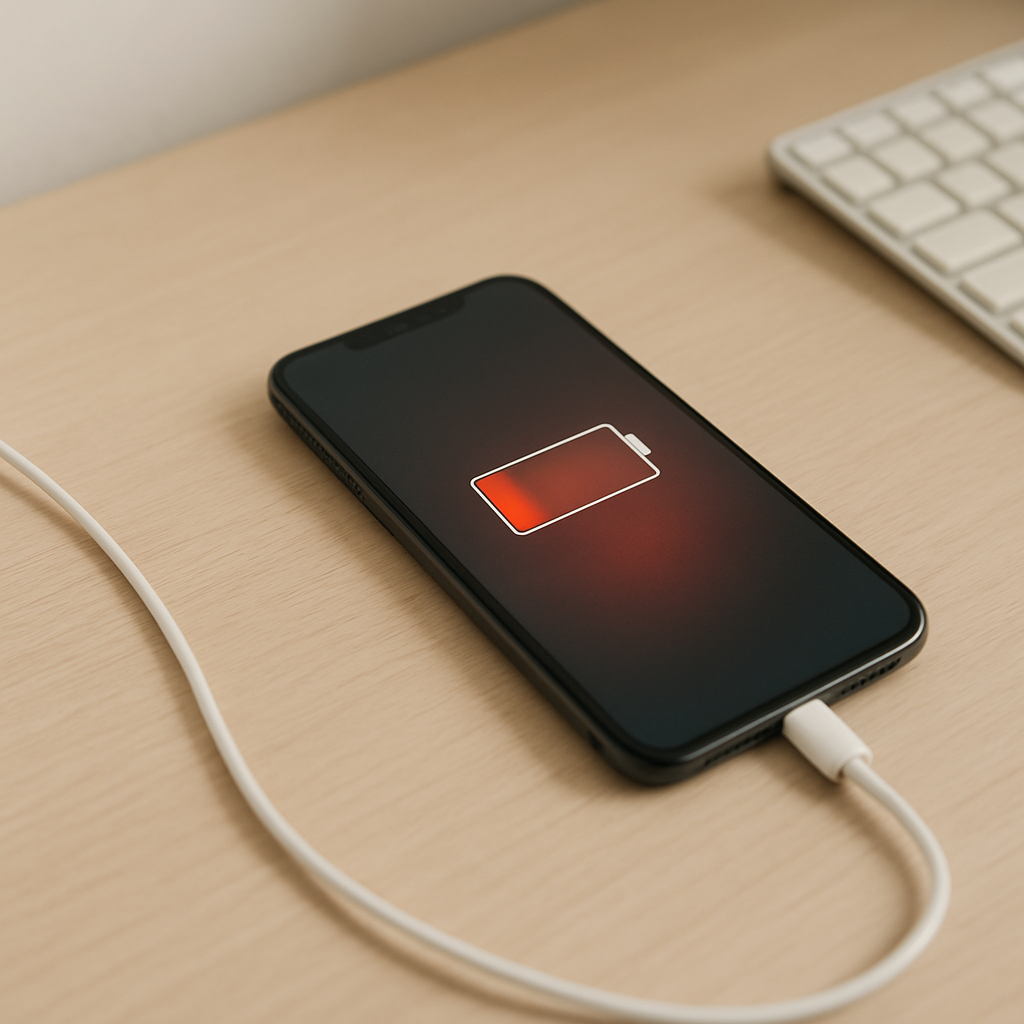
Diagnose charging cable overheating by identifying internal conductor damage that raises electrical resistance, leading to inefficient charging and potential safety risks for phones and other devices.
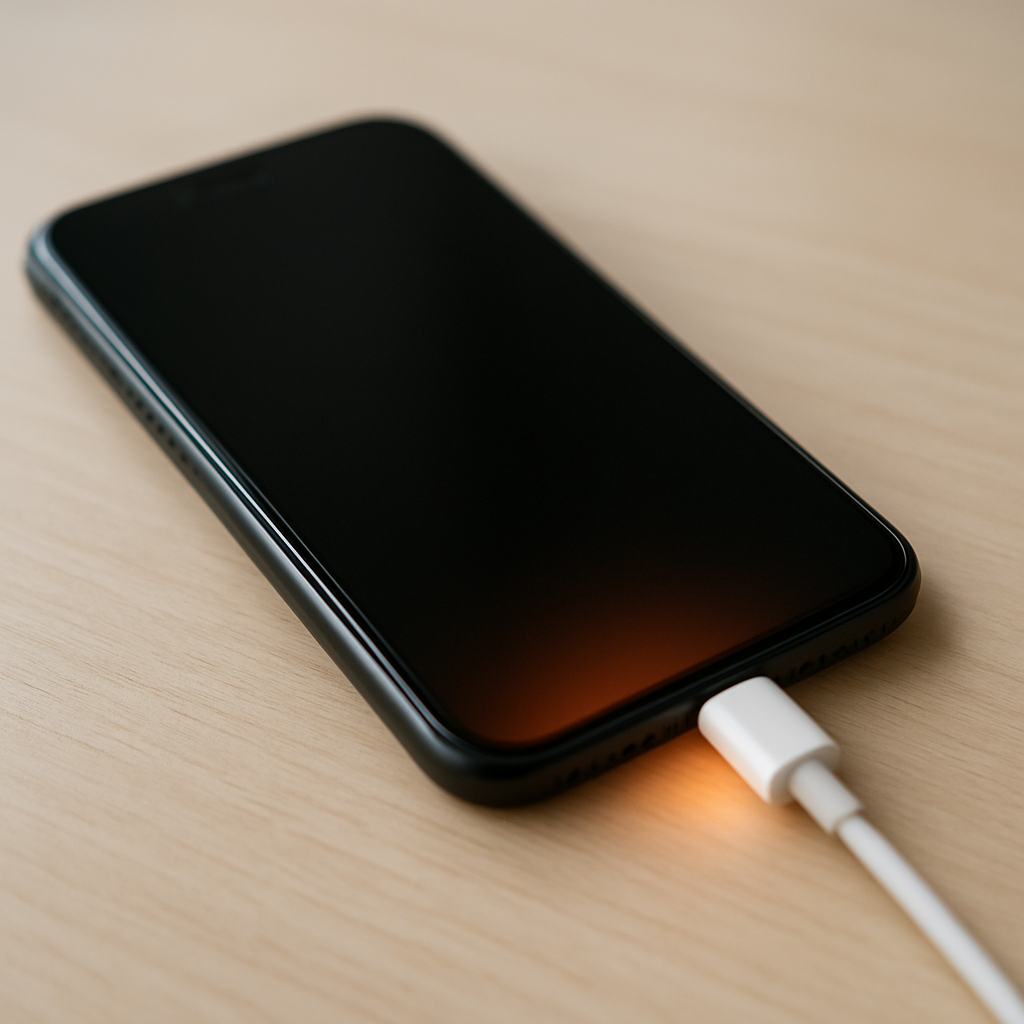
Identify why chargers overheat due to internal thermal stress, learn common causes, and understand potential safety risks to prevent damage or hazards.
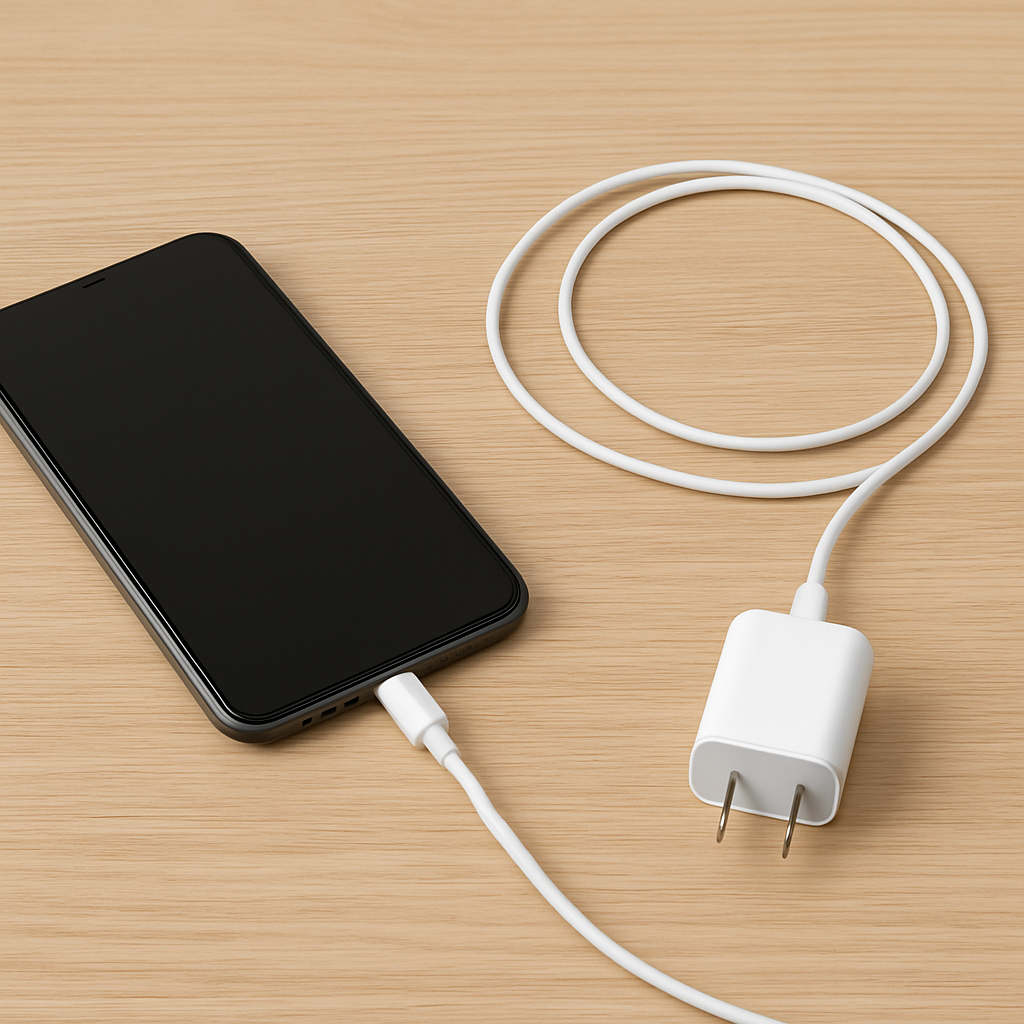
Learn how to determine if your charging cable’s warmth is normal resistive heating from current flow or a sign of potential damage needing attention.
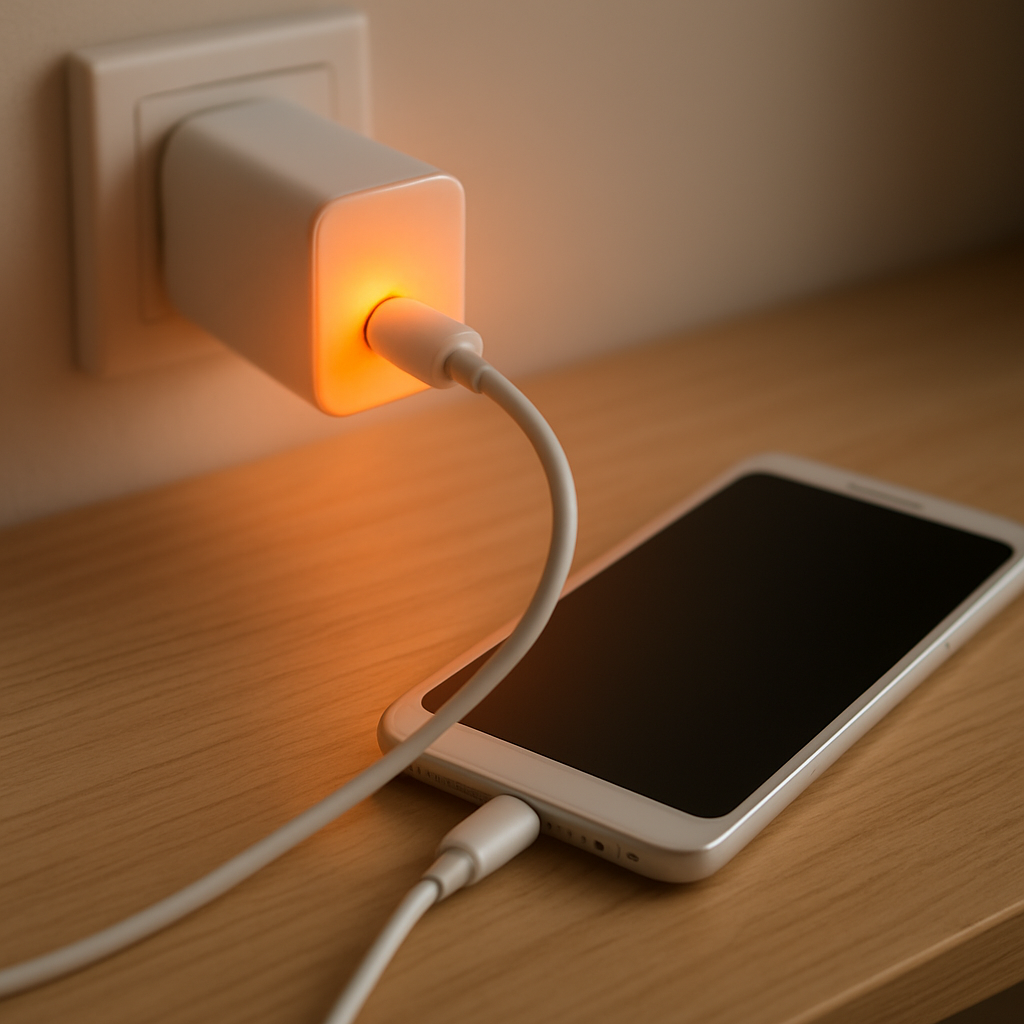
Diagnose charger overheating issues in phones and laptops by identifying power overload or poor ventilation as causes, and learn effective solutions to prevent heat buildup during charging.
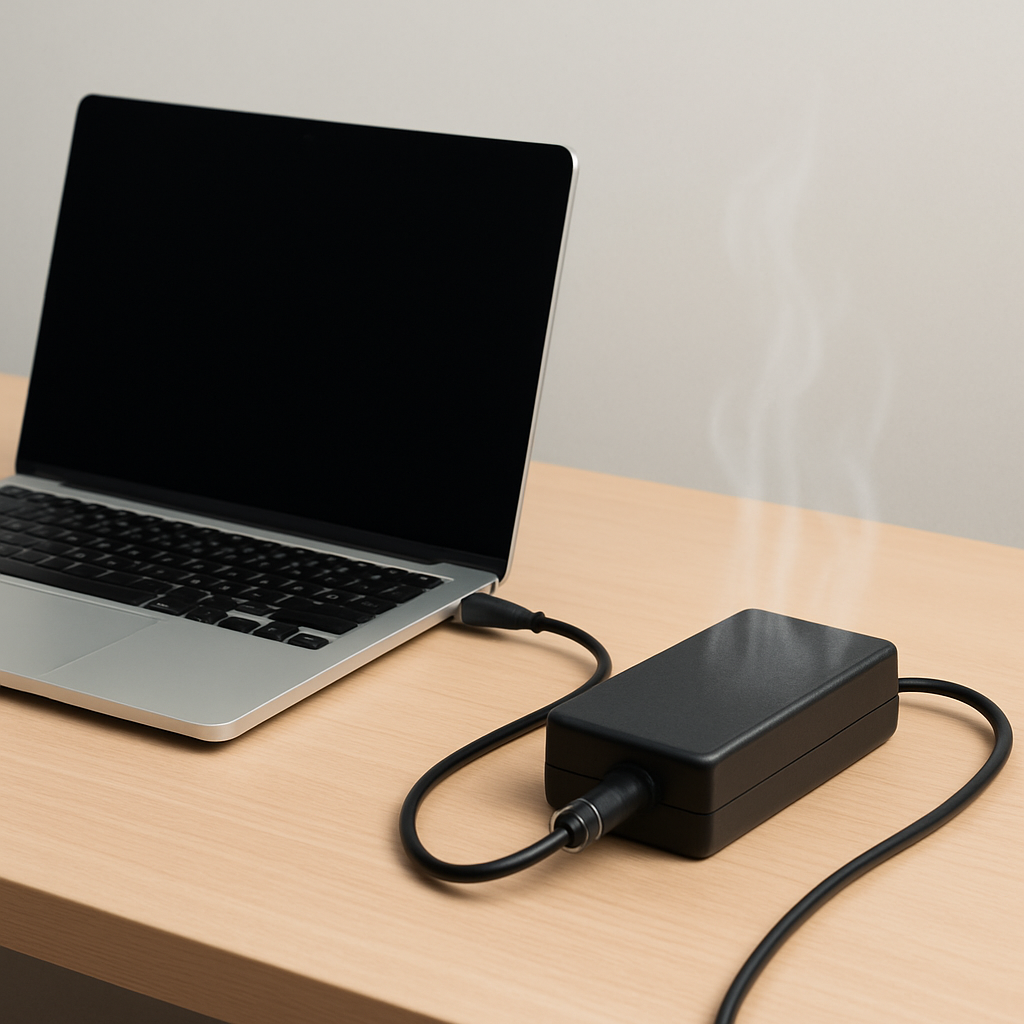
Diagnose laptop charger overheating and unusual noise by identifying signs of electrical stress or internal component failure, and learn solutions to prevent damage and restore safe charging.
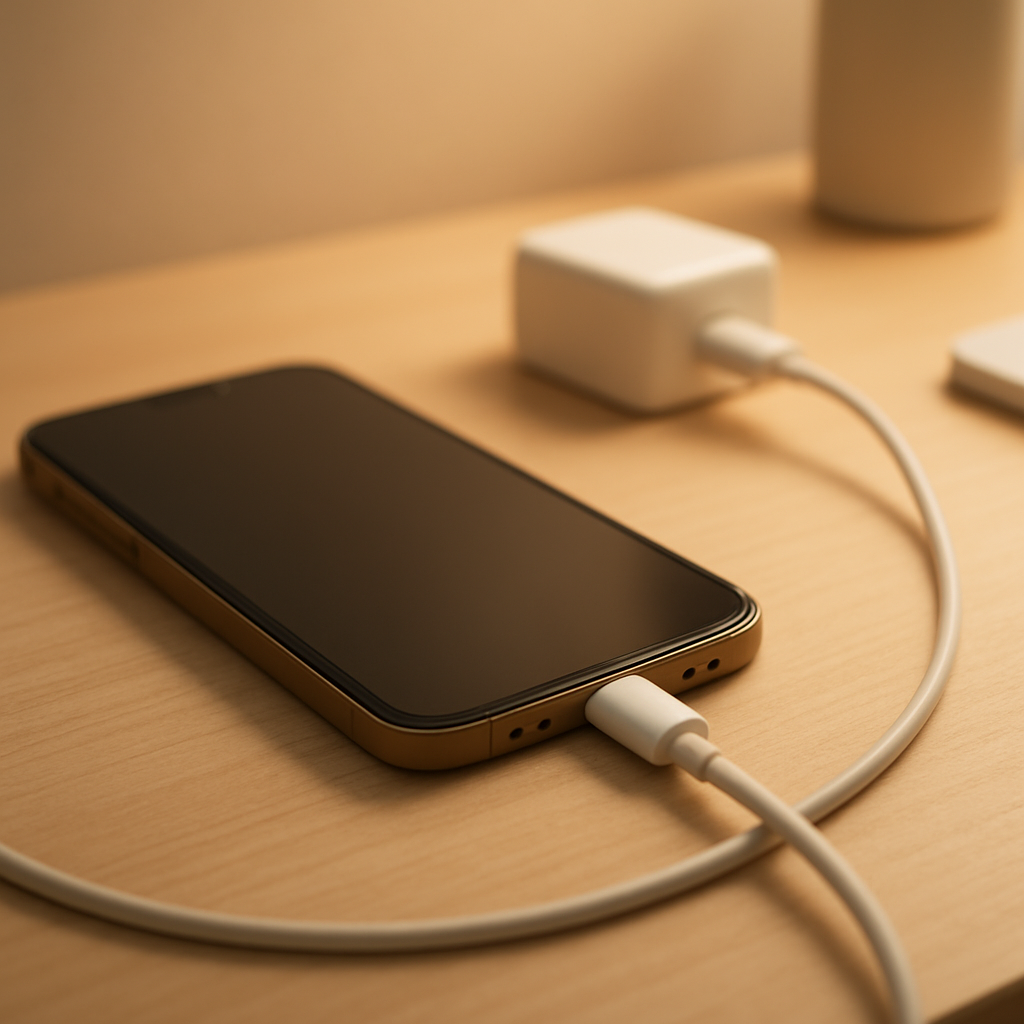
Learn how to determine if your charger’s heat is normal from internal resistance or a sign of electrical risk, and find solutions for safe device charging.