
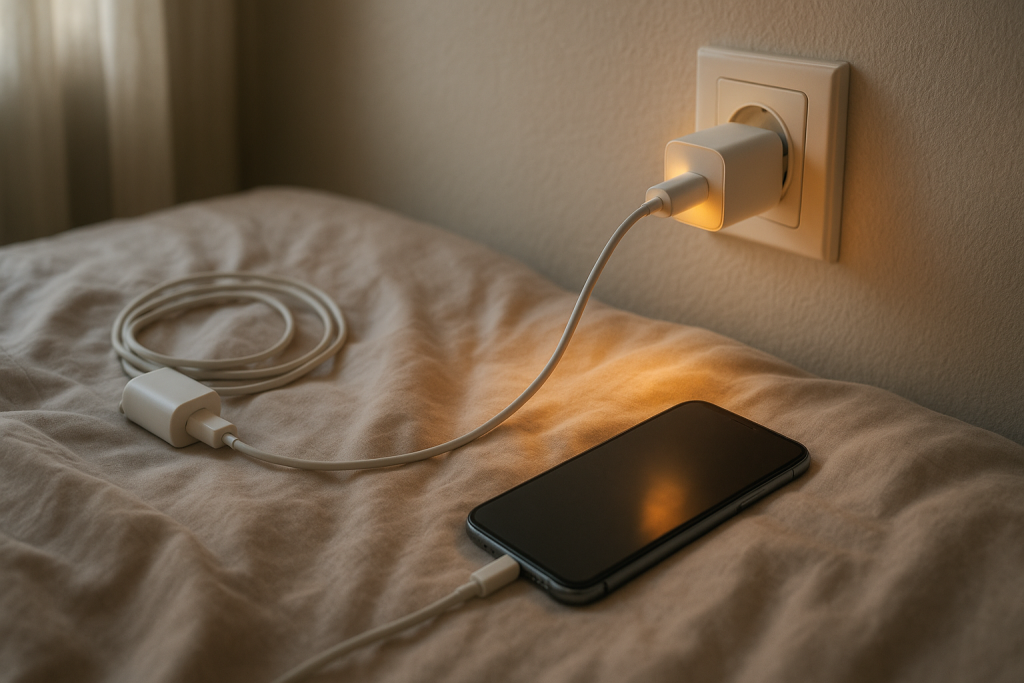
When a Charger Gets Hot While Charging: What Feels Normal and What Doesn’t
A hot charger can be normal or a real warning sign. Here’s how to tell the difference without overreacting or ignoring something unsafe.
Overheating and power problems can affect charging safety, battery lifespan, and overall device reliability. These guides explain why chargers, batteries, and cables may overheat and what steps you can take to diagnose and fix the problem safely.
The articles below cover the most common overheating situations during charging or normal device use.
A hot charger can be normal or a real warning sign. Here’s how to tell the difference without overreacting or ignoring something unsafe.
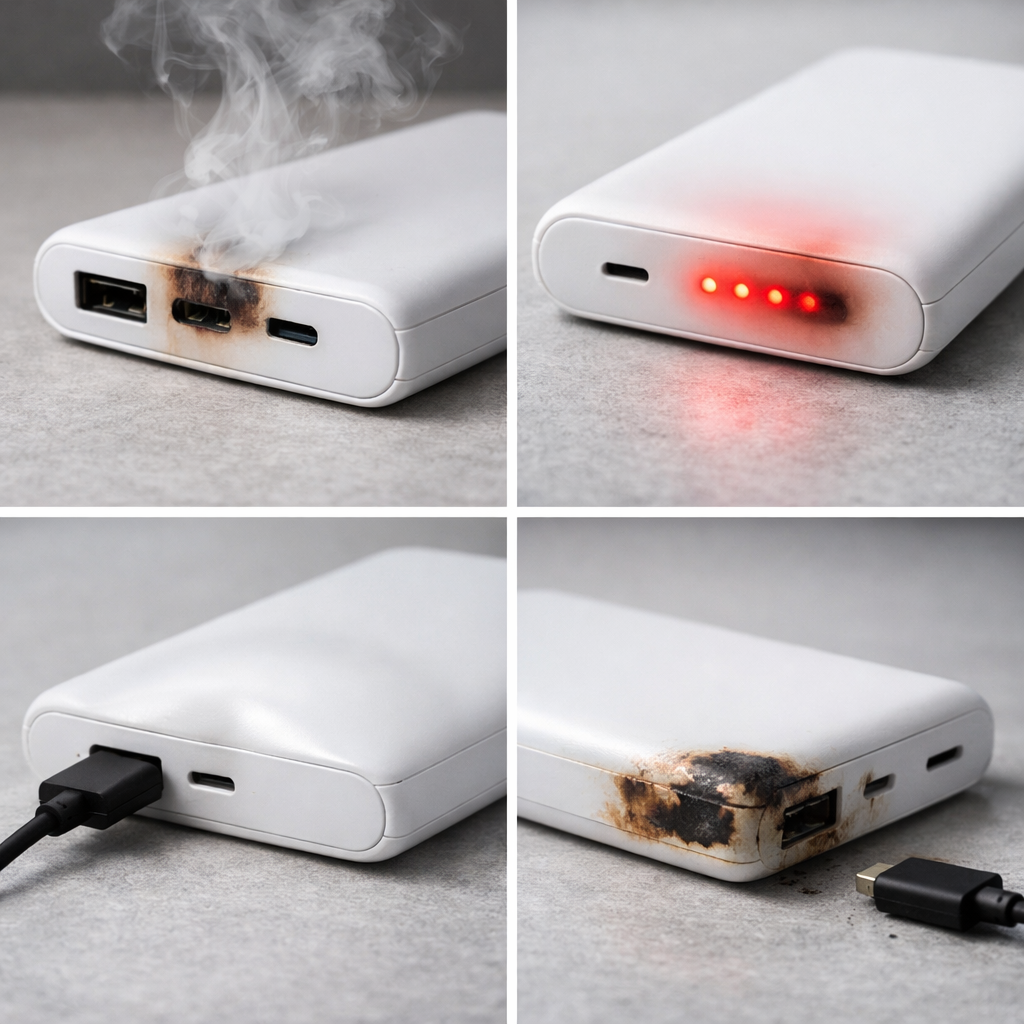
Identify warning signs of internal battery failure in power banks, including overheating and thermal instability, to prevent potential hazards and understand when replacement or repair is necessary.
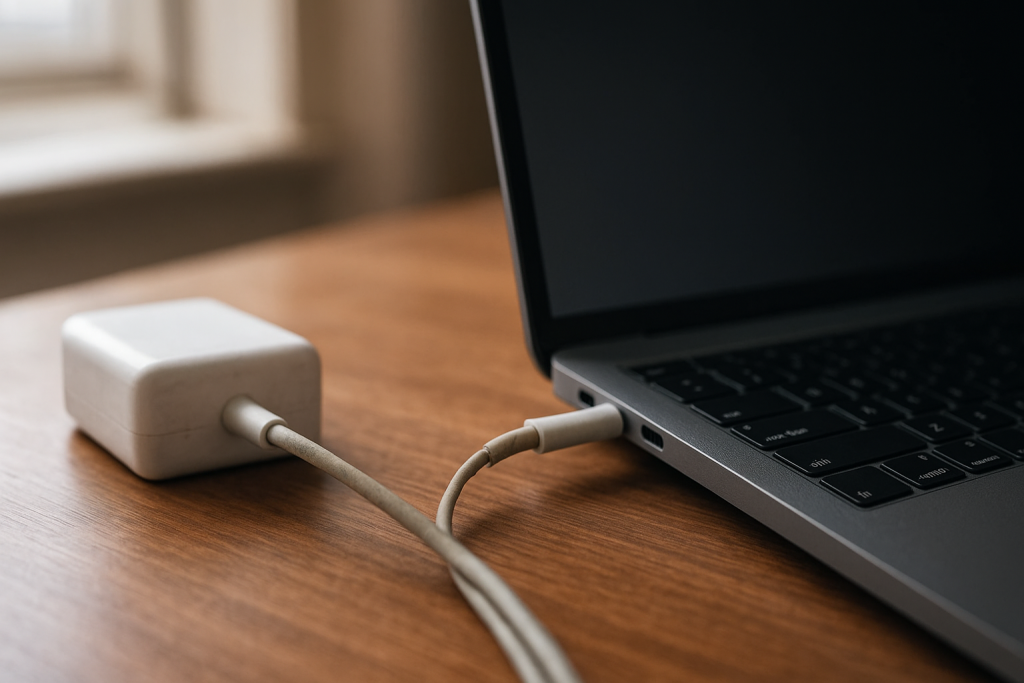
A laptop charger that gets hot can be normal, or a sign it is time to stop trusting it. Here’s how that difference feels in real life.
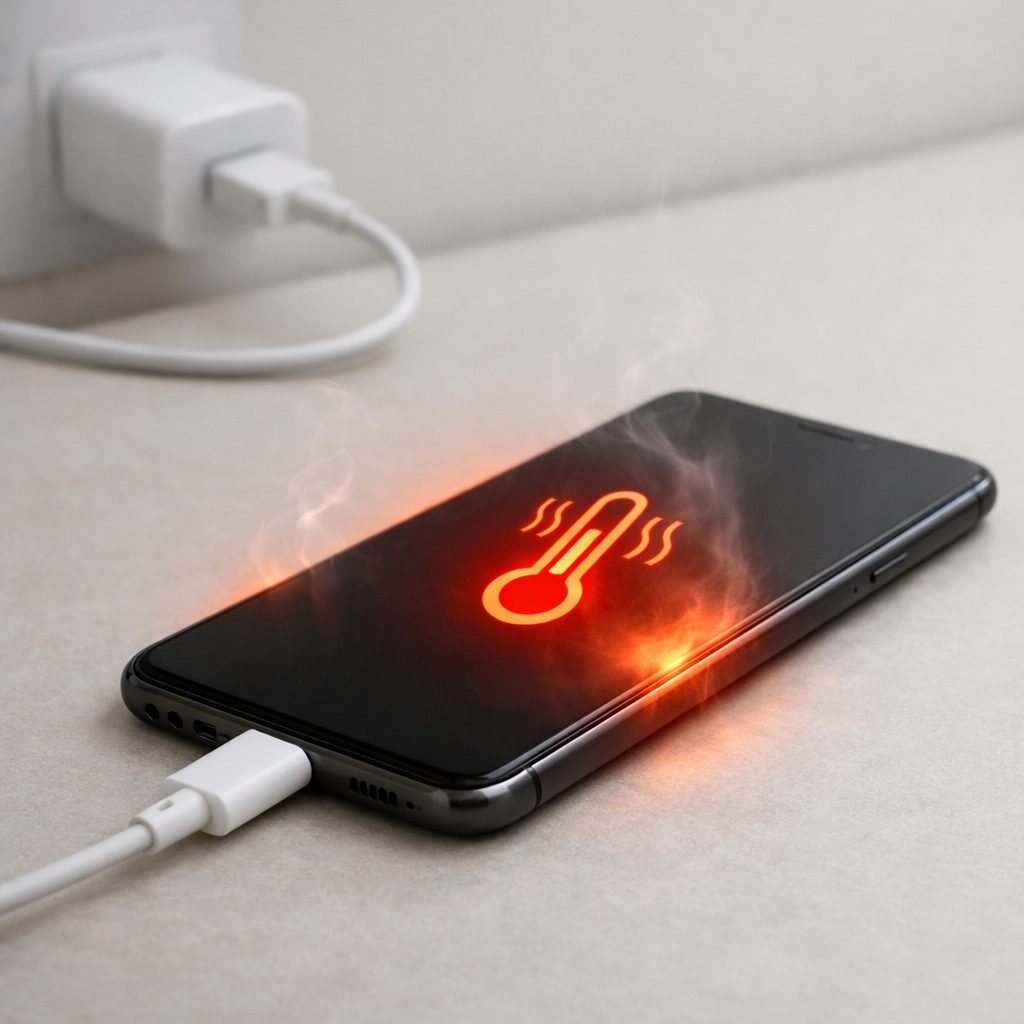
Diagnose slow charging and overheating in power banks by identifying self-discharge or internal circuitry leaks as possible causes of power loss and inefficient charging.
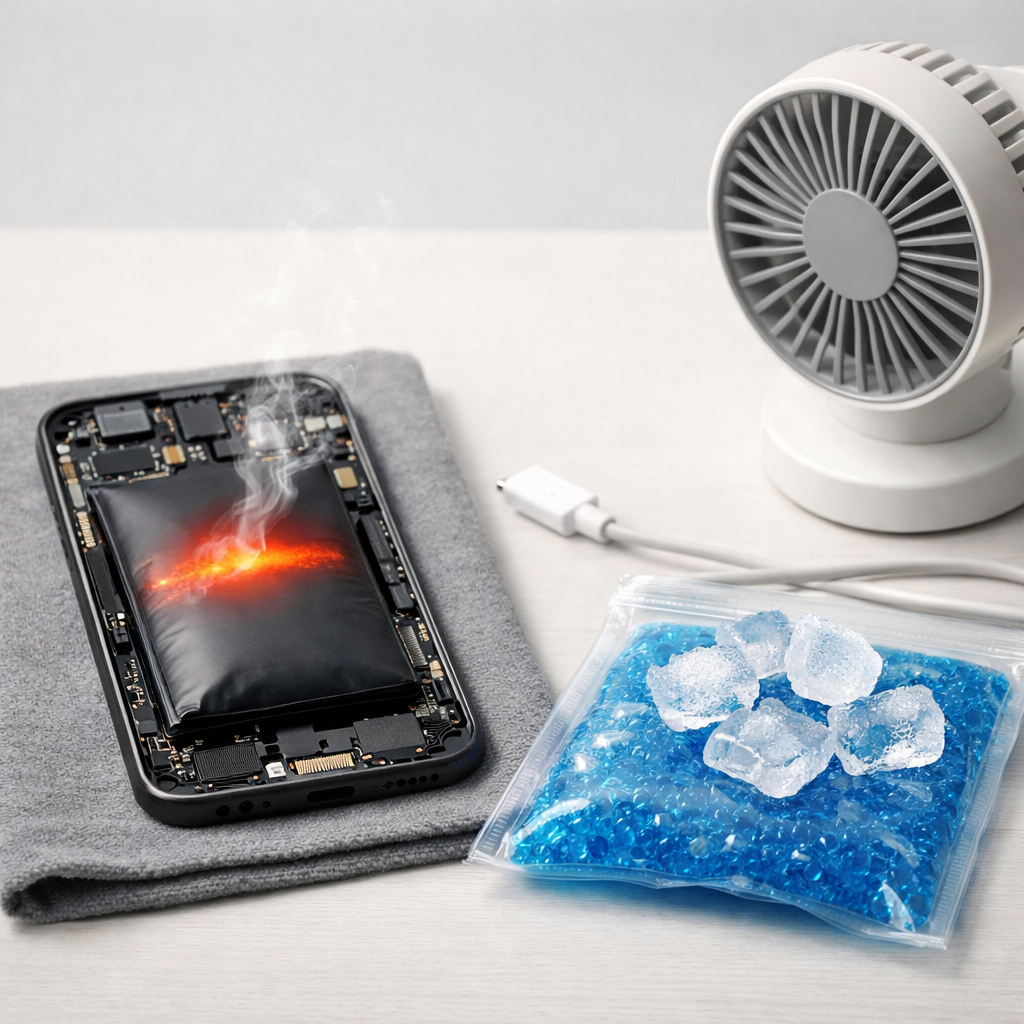
Learn how to identify and fix battery overheating in devices by addressing charging inefficiency, reducing excess heat, and preventing long-term battery damage.
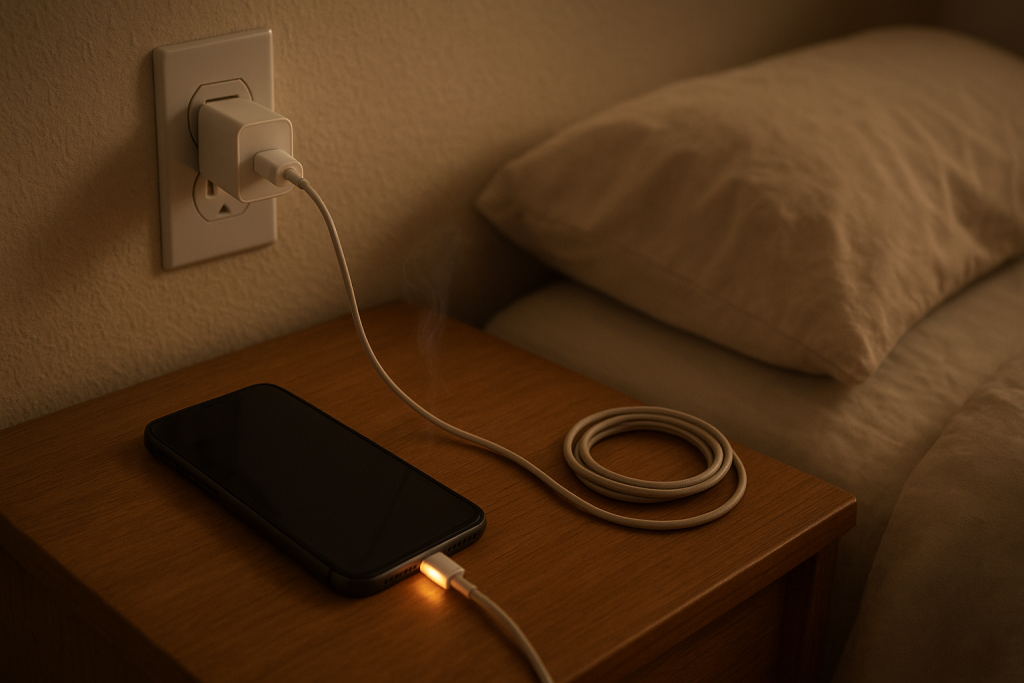
A warm charging cable can be normal, but sometimes it points to wear, poor connections, or a safety issue that should not be ignored.
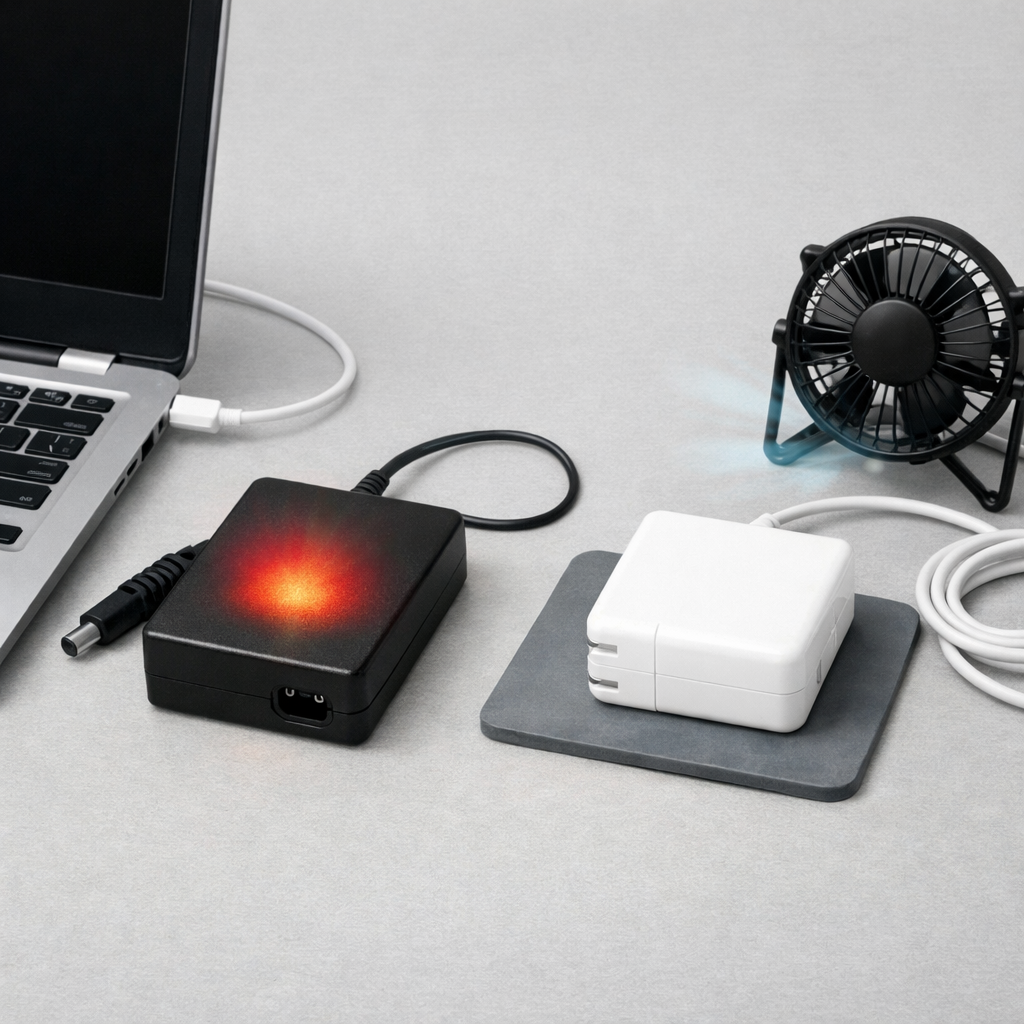
Diagnose and fix laptop charger overheating caused by background tasks or hardware modules staying active overnight, with steps to prevent damage and ensure safe charging.
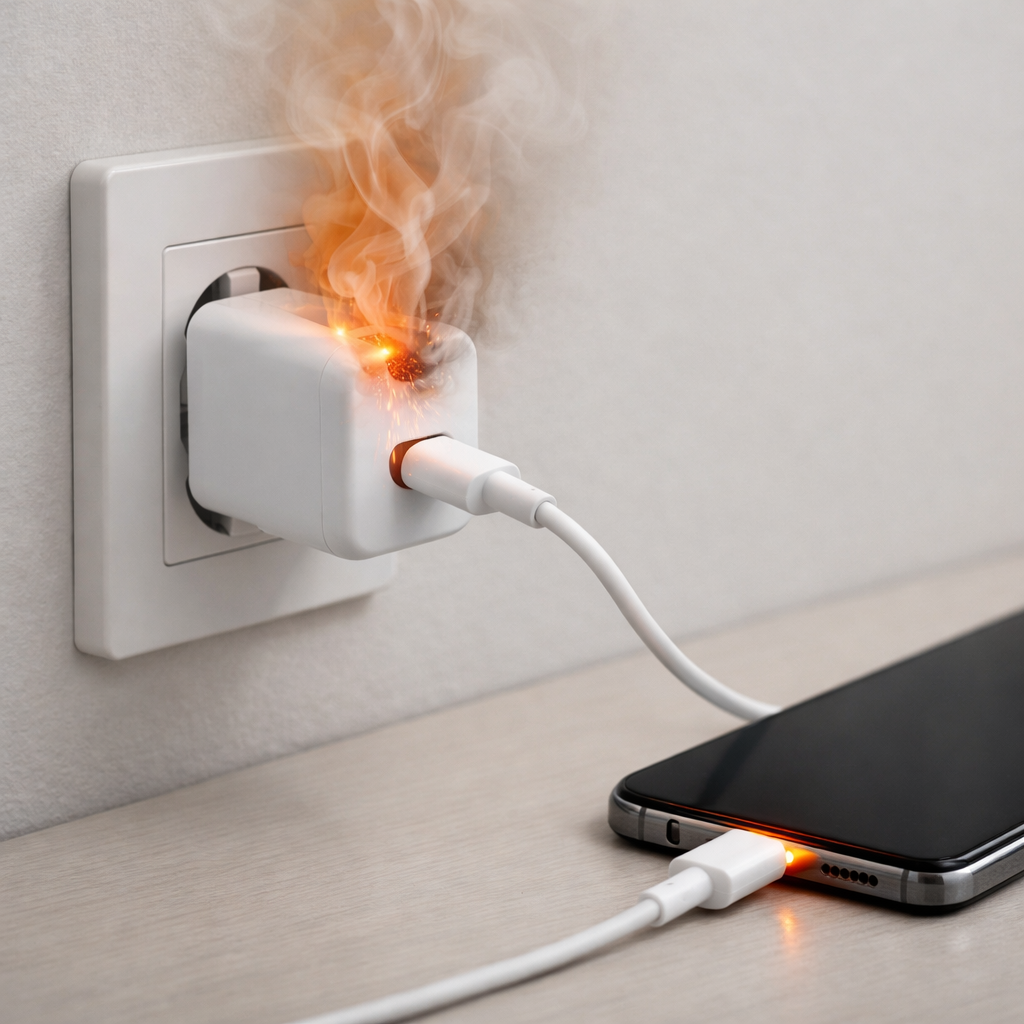
Diagnose why your device charger overheats during fast charging, focusing on internal battery heat buildup and how it triggers automatic charging slowdown for safety.
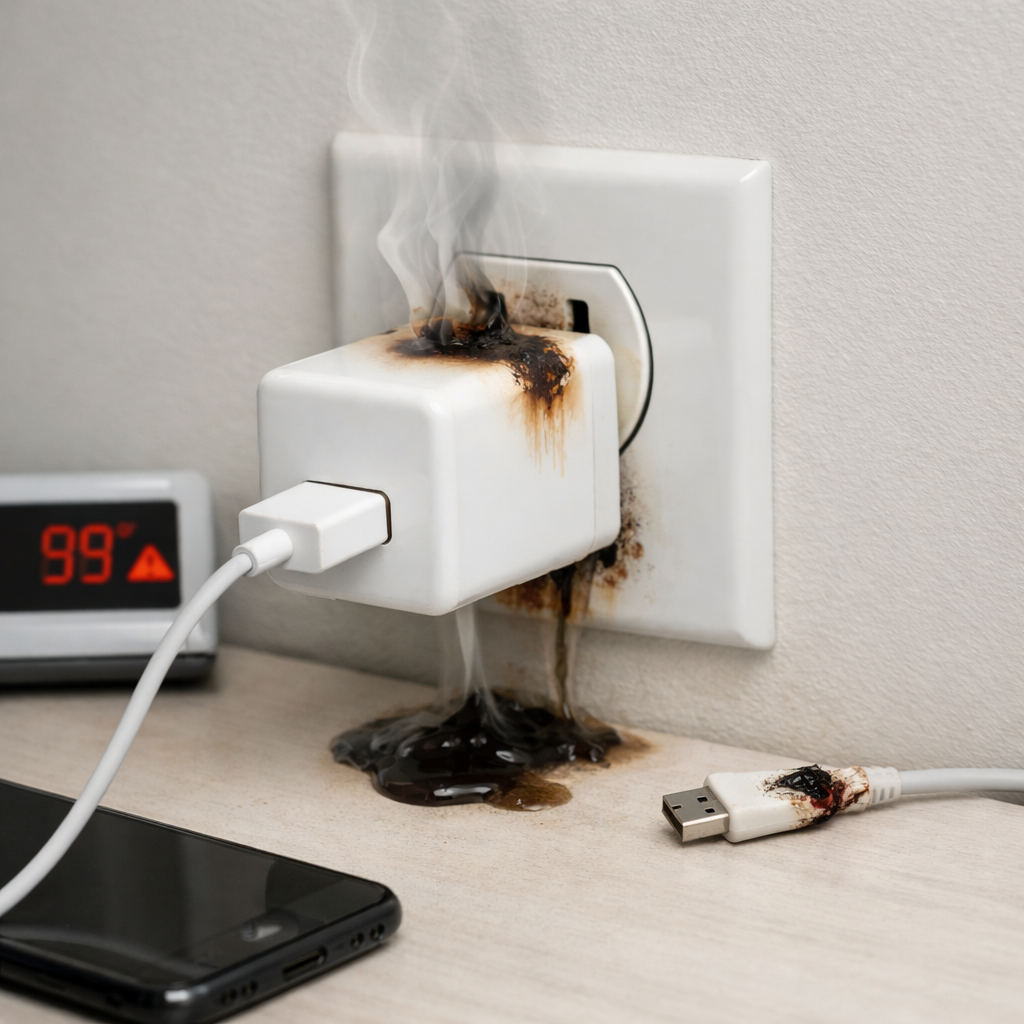
Identify charger overheating symptoms, understand risks of thermal stress in adapters, and learn solutions like improving ventilation or reducing load to prevent electrical failure.
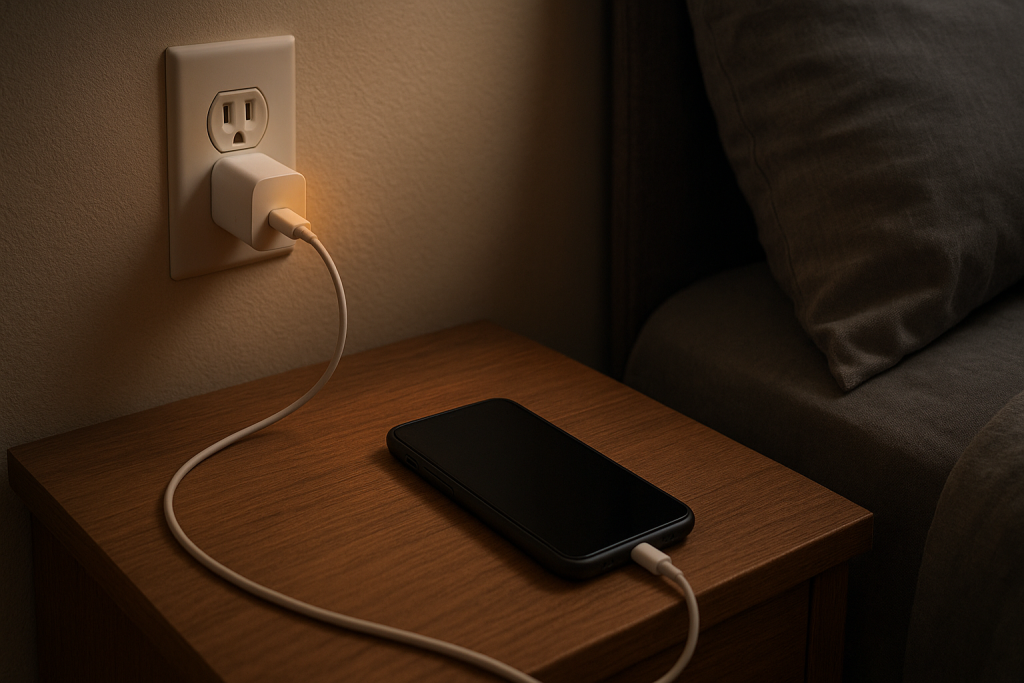
A charger that feels warm can be completely normal, but sometimes it’s a sign something isn’t right. Here’s how to tell the difference and what to do.