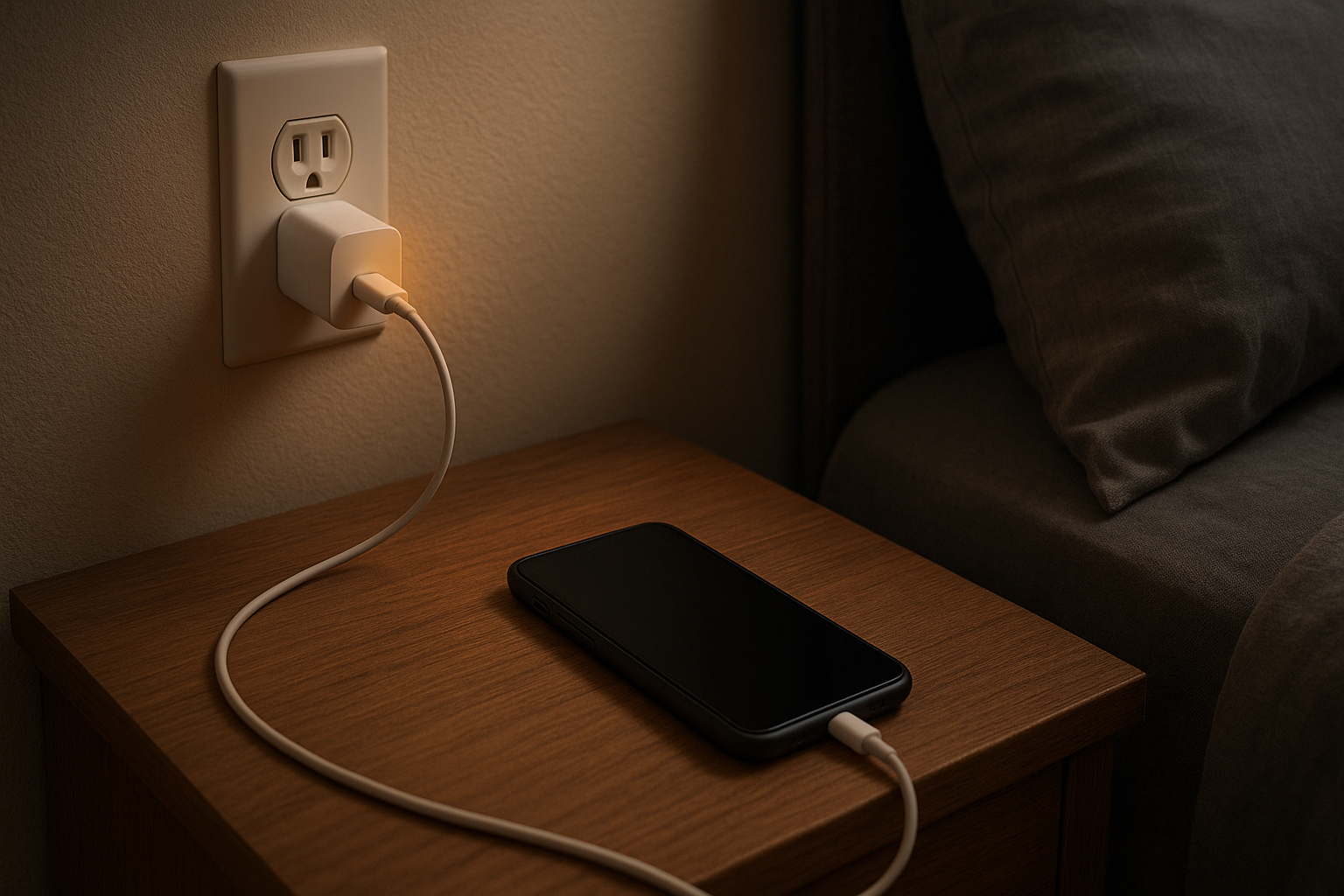
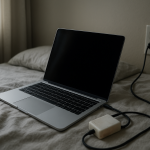
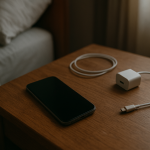
You plug in your phone at night, set it on the nightstand, and reach over a little later to check the battery. That is when you notice the charger feels warm. Not burning, not smoking, just warmer than you expected. And once you notice it, it is hard to ignore.
I have had that moment more than once. A charger that seemed totally fine yesterday suddenly feels different today, and now a simple routine turns into quiet second-guessing. You still need your phone charged by morning. You also do not want to pretend a warning sign is nothing.
That is usually the real question: is this normal warmth, or the kind that means you should unplug it right now?
Quick Answer
Yes, it is normal for a charger to feel warm during use. Chargers naturally produce some heat when converting electricity. However, if the charger becomes very hot, uncomfortable to hold, smells unusual, or shows signs of damage, it may indicate a problem and should be checked or replaced.
What’s Normal vs Not
Normal: slight to moderate warmth, especially during fast charging.
Usually acceptable: extra warmth when charging laptops, tablets, or using the device while plugged in.
Not normal: a charger that is too hot to touch, smells burnt, has warped plastic, or causes unstable charging.
Quick Safety Checks
Make sure the charger is not covered by bedding, clothing, or other fabric.
Plug it directly into a wall outlet instead of a weak extension or overloaded power strip.
Check the cable for fraying, bending, exposed wiring, or loose connections.
Stop using the charger if it feels unusually hot or different from normal.
Why This Situation Feels So Frustrating
Charging should be boring. You plug something in, it works, and you move on. But when a charger starts feeling warmer than expected, it creates just enough doubt to sit in the back of your mind all day.
You want fast charging because your phone is always low when you need it most. You want to keep using the device while it is plugged in because life does not stop for battery anxiety. But then the charger gets warm, and suddenly convenience starts feeling a little risky.
Something feels off.
That tension is what makes this so annoying. The charger may still work perfectly. Your device may still power up like normal. But trust takes a hit. And once that happens, every charge session feels like a small decision instead of a mindless habit.
What People Usually Notice First
Most people do not start with a dramatic problem. It is usually something small. A phone charger beside the bed feels warmer than usual when you unplug it in the morning. A laptop brick seems hotter after a long afternoon of work. A charger that used to be easy to ignore now grabs your attention every time you touch it.
It also tends to happen during completely ordinary use. Maybe you are watching videos while the phone is plugged in. Maybe you are charging during a commute, on the couch, or at your desk. Maybe it is an older charger you have used for years, and now you are wondering whether age is catching up with it.
That is what makes it tricky. Nothing looks obviously broken. The device still charges. The cable still fits. The familiar setup still seems familiar. But the warmth starts to feel like a small warning you do not quite know how to read.
Why It Can Be Confusing
Part of the problem is that chargers often do get warm during normal use. They are handling electricity, converting power, and doing work. A little heat is not unusual. That is why this issue is so easy to overthink.
What does normal warmth even feel like? Warm in the hand? Warm enough that you notice it? Warm enough that you do not want to hold it for long? People use the same word for very different levels of heat, which is why one person says everything is fine while another starts shopping for a replacement.
And there is the bigger problem: dangerous heat does not always announce itself with sparks and smoke. Sometimes it starts with subtle changes. A charger gets hotter than it used to. It smells a little odd. The plastic feels softer. Charging becomes inconsistent. That gray area is where people get stuck. If you are trying to sort through that line, this detailed guide on why chargers feel warm covers the basic difference between expected warmth and a real concern.
Still, it is not always obvious in the moment.
The Hidden Impact on Daily Use
A warm charger does more than make you nervous for a minute. It changes how you use your devices. You stop leaving your phone plugged in as long as you normally would. You avoid charging near the bed, even if that is the most practical place. You check the battery more often. You keep looking over at the outlet.
That kind of low-level worry adds up. Devices are tied to work, messages, alarms, maps, payment apps, everything. When charging stops feeling reliable, it affects more than battery percentage. It gets into your routine. It slows things down. It makes you hesitate.
And honestly, it is tiring.
There is also something deeper behind it. We depend on chargers in a very casual way, almost without thinking. So when one starts sending mixed signals, it chips away at that easy trust people have in everyday technology. Not because the charger is definitely dangerous, but because now you are watching for small signs and wondering if you are missing something important.
When It’s Probably Nothing Serious
If a charger feels mildly warm during use, especially while fast charging or charging a larger device, that is often within the normal range. The same goes for times when the room is warm, the device battery is very low, or you are actively using the device while it charges. More power moving around usually means more noticeable warmth.
A charger that stays consistent is generally less worrying than one that suddenly changes. If it has always run a bit warm, still charges normally, has no damage, and cools down when not in use, that usually points to normal operation rather than a failure.
Warm is one thing. Hot is another.
That difference matters more than people think.
When You Should Pay More Attention
If the charger feels genuinely hot, too uncomfortable to hold, or much hotter than you remember, it is worth taking seriously. The same is true if you notice a burning smell, discoloration, buzzing, crackling, loose connections, bent prongs, frayed cables, or charging that cuts in and out.
Older chargers deserve a little more skepticism too. Wear happens slowly, and because you are used to seeing the same charger every day, it is easy to miss when the casing starts separating or the cable gets stressed near the ends. It is not completely broken. But it is not right either.
Using a device heavily while charging can also push things harder than usual. If your phone gets warm, the charger gets warm, and the cable feels warm too, that combined heat is something to notice. Not panic over, just notice.
If your instincts keep telling you not to trust it, that feeling has value. Not every concern is overreaction.
Simple Ways to Improve the Situation
Sometimes the easiest fix is also the most realistic one: give the charger space, use it on a hard open surface, and avoid covering it with blankets, pillows, or clothing. Chargers lose heat better when they are not trapped. That alone can make a noticeable difference.
It also helps to use the right charger for the device and to be cautious with very old, damaged, or unusually cheap replacements. Familiar does not always mean safe, especially if the charger has been through years of travel, drops, tight bends, and daily wear.
If you are charging overnight, keep an eye on patterns rather than one isolated moment. A little warmth once is different from a charger that repeatedly feels hotter than expected. And if replacing it would give you peace of mind, that is not overthinking. Sometimes peace of mind is reason enough.
Small changes count.
FAQ
Is it normal for a charger to get hot?
Yes, slight warmth is normal during use, especially during fast charging. However, a charger should not become too hot to touch or show signs of damage.
Should I stop using a warm charger?
If the heat feels mild and consistent, it is usually safe. If it becomes unusually hot, uncomfortable to hold, or different from normal, unplug it and check the charger before using it again.
Can a hot charger be dangerous?
Excessive heat can indicate a problem and may become a safety risk if ignored, especially when it comes with warning signs like smell, discoloration, loose connections, or unstable charging.
Is it bad to leave a warm charger plugged in overnight?
A mildly warm charger is usually not a problem, but overnight charging should be done with a charger in good condition, placed in an open area, and away from bedding or fabric.
Battery Help Center
If you are dealing with charging problems, overheating, or battery behavior that feels unreliable, start with the main troubleshooting hub:
A warm charger is often normal, especially during fast charging or longer sessions. But normal does not mean you should ignore everything. The key is paying attention to whether the warmth feels mild and consistent or whether it seems to be getting stronger, stranger, or harder to trust.
That is really what most people are trying to figure out. Not just whether a charger works, but whether it still feels safe enough to keep depending on every day.
If the warmth is light, predictable, and not paired with other warning signs, it is probably not a big deal. If it is unusually hot, damaged, or making you uneasy for good reason, it is worth stepping back and taking a closer look. Better a little caution now than a bigger problem later.