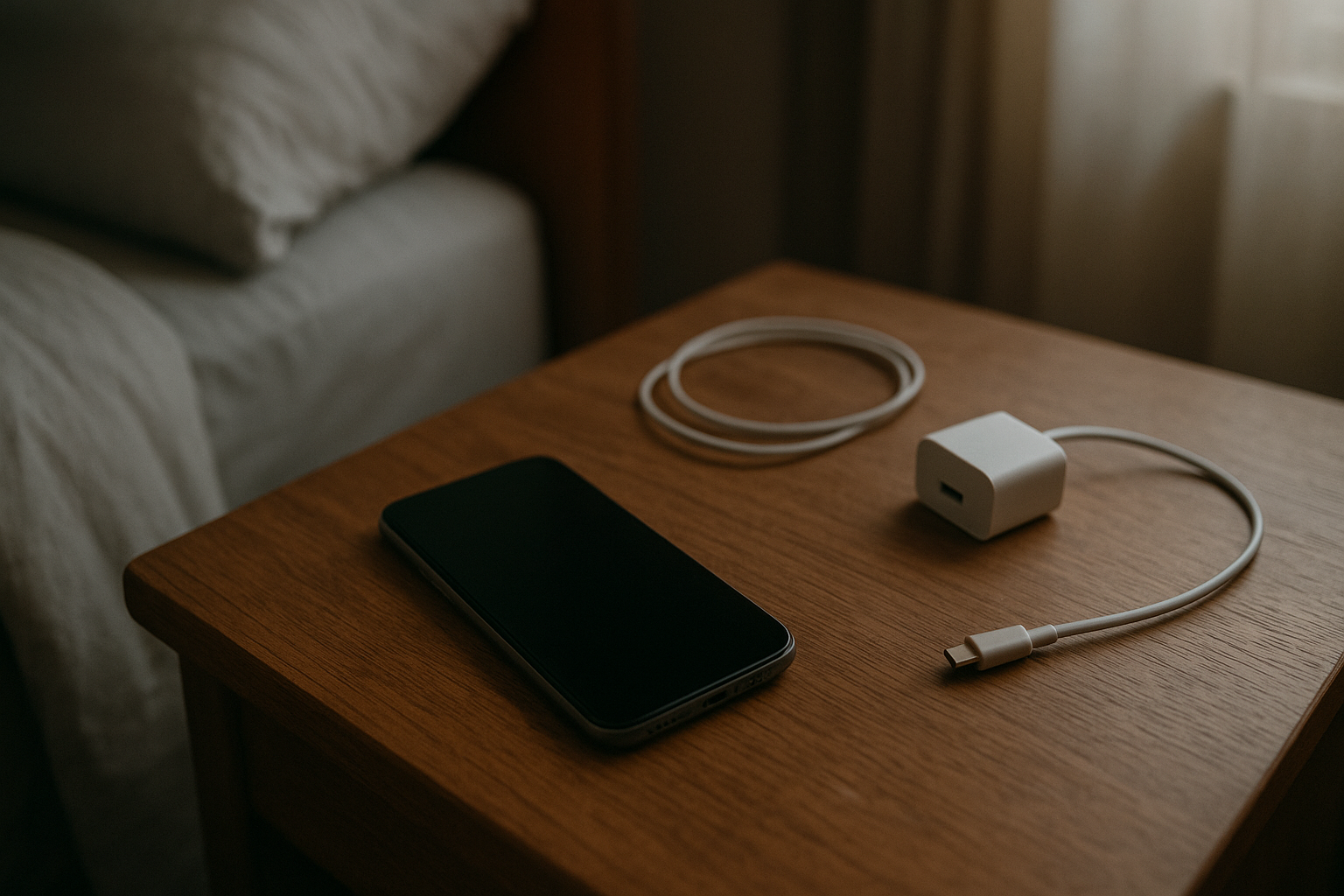
You set your phone down at night with a decent charge, maybe 68 or 74 percent, and when you pick it up in the morning it has dropped way more than you expected. No videos. No gaming. No obvious reason. Just battery gone. That kind of drain gets under your skin fast, especially when the phone was supposed to be doing almost nothing.
I’ve had that moment where I stare at the battery percentage like it personally offended me. The phone is right there, untouched, and still somehow losing power in the background. And once you notice it, it’s hard to ignore.
It’s not completely broken. But it’s not right either.
Why This Situation Feels So Frustrating
A phone is one of those things you expect to be ready when you need it. That is the whole deal. You charge it so it can get you through work, family messages, maps, alerts, photos, and the random things that come up during a normal day. When the battery starts slipping away for no clear reason, it creates this low-grade tension that follows you around.
You want connection and reliability, but you do not want to babysit a battery all day. You want notifications to come through, but you also want the charge to last. You start making small adjustments, turning things off, lowering brightness, checking settings, hoping one little habit will fix it. Sometimes it helps. Sometimes it does not.
That is the part that wears people down. Hidden battery loss feels unfair because you cannot see it happening. Something is using power, but it is not obvious what. So the mind starts filling in the blanks. Is the battery failing? Is the phone defective? Is this normal now?
Something feels off.
What People Usually Notice First
For a lot of people, it starts overnight. The phone sits on the nightstand doing basically nothing, and by morning the charge has dropped enough to make you uneasy. Not one or two percent. More than that. Enough that you begin the day already behind.
Other times it shows up during travel or long commutes. You are out of the house more, using maps, switching between signals, maybe checking messages more often, and suddenly the battery is draining faster than your routine can handle. A normal day becomes a day of rationing power.
A new phone can be especially disappointing when this happens. You expect it to feel solid and dependable, and instead you find yourself watching the battery more than you did with the old one. That can make a brand-new device feel oddly untrustworthy.
With an older phone, the stress is more familiar. You start the day wondering if it will make it to dinner. You carry a charger everywhere. You think twice before leaving the house without a power bank. It becomes one more thing to manage.
Why It Can Be Confusing
The most confusing part is that no apps seem to be open. The screen is off. You are not actively using the phone. So why is the battery still falling?
A phone does not have to look busy to be busy. It can still be checking for mail, syncing photos, searching for signal, refreshing widgets, updating in the background, or keeping network connections alive. None of that feels dramatic on its own, but together it can add up. If you want a plain-language look at that kind of hidden drain, this helpful explanation covers the basics without turning it into a science project.
The other problem is knowing what counts as normal. Some overnight drop is expected. Some extra drain during travel is expected too. But there is a line where normal background activity turns into a real battery problem, and most people do not have a clear way to tell where that line is.
So they keep adjusting settings. Then adjusting more settings. Then wondering if they are overreacting.
The Hidden Impact on Daily Use
This kind of issue does more than shorten battery life. It chips away at trust. When a phone feels unpredictable, you start planning around it. You check the percentage more often. You avoid using it freely. You think about charging before you think about what you actually need to do.
That affects productivity in a quiet but constant way. You delay calls. You skip a video meeting unless you are near an outlet. You hold off on using navigation because you are not sure the battery will keep up. Small decisions start revolving around power instead of convenience.
There is also the stress part. A phone is tied to work, family, security codes, directions, ride apps, payment apps, and emergency contact. When the battery behaves strangely, it is not just annoying. It makes the whole device feel less dependable, and that can create real anxiety if your day depends on staying reachable.
That loss of trust is hard to shake. Hidden digital behavior is unsettling because you cannot grab it and fix it directly. You just see the result.
And it gets old.
When It’s Probably Nothing Serious
Sometimes the explanation is pretty ordinary. A recent software update can make a phone work harder for a day or two. Weak cell signal can drain power much faster than people expect, especially in offices, parking garages, trains, or rural areas. Cold or very hot weather can also make battery performance seem worse than it really is.
If the drain is occasional, tied to certain days, or improves after a restart or a full charge cycle, that usually points to something temporary rather than a major failure. The same goes for battery drops that happen more during setup on a new phone, after restoring data, or when cloud syncing is unusually active.
Annoying, yes. But not automatically a sign that the phone is dying.
When You Should Pay More Attention
If the battery is dropping fast every single day while the phone is mostly idle, that deserves a closer look. The same is true if the phone gets warm for no obvious reason, drains heavily overnight on a regular basis, or starts shutting down at percentages that should still be safe.
You should also pay attention if battery life suddenly changes without any clear trigger and stays bad for more than a few days. A steady pattern matters more than one strange afternoon. If the phone is older, the battery itself may simply be worn down. If it is newer, it may be worth checking warranty options rather than endlessly changing settings and hoping.
There comes a point where tweaking stops being useful. That is usually the point to get support involved.
Simple Ways to Improve the Situation
The best first move is usually the least dramatic one: pay attention to patterns before assuming the worst. Notice whether the drain happens overnight, on the road, in weak signal areas, or after updates. Patterns can tell you more than panic can.
Keeping software current, reducing unnecessary background refresh, and being realistic about how much power location services, mobile data, and constant notifications use can all help. So can lowering screen brightness a bit and removing old apps or features you do not actually use. None of that is glamorous, but small changes often make the phone feel normal again.
It also helps to stop chasing perfection. Every phone loses some battery while idle. The goal is not zero drain. The goal is getting back to a level that feels predictable and manageable.
That matters more than people admit.
Conclusion
A phone battery draining when nothing seems open is frustrating because it feels hidden, and hidden problems are always harder to trust. You are left trying to decide whether this is normal device behavior, a setting you missed, or the start of a real hardware issue.
Most of the time, it is not a disaster. It is a mix of background activity, signal issues, settings, age, or software cleanup after changes. But that does not make the frustration less real, especially when your day depends on the phone being ready.
The good news is that you usually do not need to jump straight to repair or replacement. Start with simple habits, watch for patterns, and give the phone a little room to settle if something recently changed. If the drain stays severe and consistent, that is your sign to stop guessing and get help.
Because peace of mind matters too. Not just battery percentage.