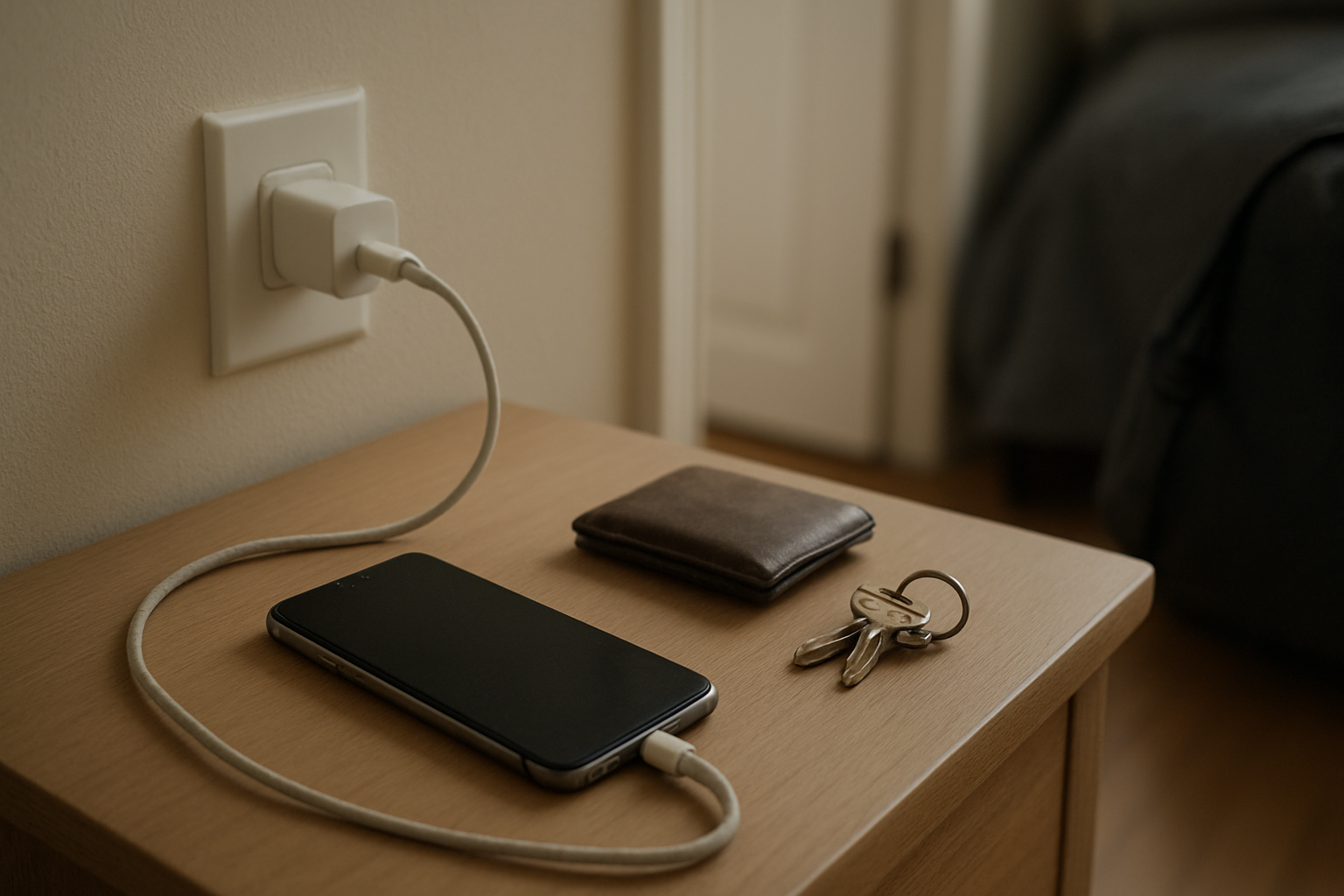
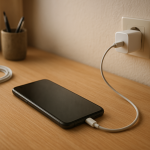
You plug in your phone while getting ready to leave, glance back a few minutes later, and the battery has barely moved. That tiny moment can throw off the whole morning. You thought you were buying yourself enough time to get through a commute, a few calls, maybe directions on the road. Instead, you are standing there watching a percentage crawl upward like it has nowhere to be.
I have dealt with this more than once, and it always starts the same way. Not with a dramatic failure. Just a slow, annoying change that makes a reliable phone feel less reliable every day. It still turns on. It still charges. But not in the way your life needs it to.
Something feels off.
Why This Situation Feels So Frustrating
A slow-charging phone is not just a minor inconvenience. It creates this constant tension between how fast your day moves and how helpless charging can make you feel. You need your phone ready now, not an hour from now. But once it is plugged in, all you can do is wait and hope it catches up.
That is what makes it so irritating. The device is familiar, maybe even a little comforting because it has been with you through workdays, travel, family calls, and every routine in between. At the same time, you start wondering whether it is wearing out right in front of you. You trust it because it is yours. You doubt it because it is acting different.
And once you notice it, it’s hard to ignore.
There is also the money question hanging over all of it. Most people do not want to replace a phone just because charging has become unreliable. But after enough days of dealing with tiny hassles, wiggling a cable, switching outlets, checking the battery again and again, you start asking whether saving money is actually worth the stress.
What People Usually Notice First
Usually it shows up in ordinary moments. You are rushing out the door and trying to squeeze in ten more minutes of charging, only to see the battery climb by one or two percent. You are using maps in the car or taking an important call while the charge seems to disappear faster than it comes in. You plug it in at night and wake up expecting a full battery, then realize it somehow did less than usual.
Sometimes it is the charger itself that makes you suspicious. You plug it in and the phone says it is charging, but only if the cable sits at a certain angle. So you wiggle it a little, set the phone down carefully, and hope no one bumps the table. It is such a small thing, but it changes how you use the device. You stop trusting simple actions.
That part gets old fast.
Then there is the quiet debate people have with themselves about older phones. If it still works for calls, messages, and the basics, maybe it is fine. Maybe you are expecting too much. Or maybe the phone has slowly crossed a line where it no longer fits daily life, and you are only admitting it in pieces.
Why It Can Be Confusing
One reason this problem drags on is that it is rarely consistent. One day the phone seems mostly normal. The next day it takes forever. It might charge well from one outlet and badly from another. It might gain battery while the screen is off, then barely hold steady when you are actually using it. That unpredictability is what makes people second-guess themselves.
You see the charging symbol and assume things are fine, but the battery still rises so slowly that it does not feel like real progress. That is a weird kind of frustration because technically the phone is doing what it claims to be doing. It is charging. Just not enough. Not reliably. Not in a way that gives you confidence.
If you have been trying to make sense of that, this explanation of why a phone may charge very slowly lines up with what a lot of people run into in everyday use.
It is not completely broken. But it is not right either.
The Hidden Impact on Daily Use
Slow charging affects more than battery percentage. It changes how you plan your day. You start making small decisions around the phone instead of the other way around. Maybe you leave earlier than you wanted because the battery is only good enough if you keep the screen dim. Maybe you skip a video call. Maybe you stop using navigation unless you really need it because you are trying to conserve power.
That can sound minor until it keeps happening. Then it becomes one more low-grade source of stress in a day already full of them. Your phone is supposed to be the thing that helps you stay connected, organized, and reachable. When power becomes unpredictable, all of that stability starts to wobble a bit.
There is a bigger emotional shift underneath it too. A lot of us are used to thinking in repair terms. Try a different cable. Clean the port. Charge it longer. Adjust a setting. Give it another week. But eventually there is that uncomfortable moment when you realize you are no longer solving a problem so much as managing around it. That is when the replacement question starts feeling less dramatic and more practical.
When It’s Probably Nothing Serious
Not every slow charge means the phone is near the end. Sometimes the cause is simple and temporary. A worn cable can reduce charging speed without failing completely. A charging block that used to be fine may no longer deliver power the way it should. Dust in the port can create a loose connection. Even heavy use while charging can make it seem like the battery is doing almost nothing because the phone is burning power as fast as it receives it.
Background activity can also make a good phone feel weak for a while. If it is downloading updates, backing up photos, running navigation, or staying bright and active for long stretches, charging can feel slower than expected. That does not always mean the battery itself is in serious trouble.
Sometimes the fix really is small.
When You Should Pay More Attention
If the phone gets unusually hot when charging, drains fast even after reaching a decent percentage, or only charges with very specific cable positioning, it is worth taking more seriously. The same goes for a phone that charges extremely slowly no matter what outlet or charger you try. When the behavior becomes consistent in a bad way, that is usually more telling than a random off day.
Pay attention too if the battery life no longer matches how you actually live. That matters more than the phone’s age on paper. A phone can be old and still perfectly usable. But if you cannot leave home without worrying whether it will make it through directions, messages, and one long call, the issue has already moved beyond a minor annoyance.
You should not have to think this hard about basic charging.
Simple Ways to Improve the Situation
The most helpful approach is usually the least dramatic one. Try to rule out the obvious things first: a tired cable, a weak adapter, a dirty port, or a charging habit that asks too much of the phone while it is plugged in. Using a solid charger and letting the phone rest for a bit while it powers up can make a bigger difference than people expect.
It also helps to notice patterns instead of isolated bad moments. If charging slows down mostly during heavy use, that points in one direction. If it is slow all the time, that points in another. If it changes based on the cable, that matters too. You do not need to become a technician. You just need a clearer picture of whether the problem is occasional, environmental, or becoming permanent.
And if the phone is older, be honest with yourself about what you need from it now. There is nothing wrong with keeping a device longer. There is also nothing wrong with admitting that daily friction adds up.
Conclusion
A phone that charges very slowly creates a strange kind of frustration because it is rarely one big failure. It is a hundred little delays, doubts, and interruptions. It makes a device you depend on feel unpredictable, and that can be more exhausting than people realize.
Sometimes the answer is simple. Sometimes it is the first sign that a once dependable phone is starting to fall behind your real life. Either way, the problem is worth paying attention to, because charging is not just about power. It is about trust. When that trust starts slipping, even a small battery issue can feel much bigger than it looks.
That is usually when you know this is not just about a charger anymore.