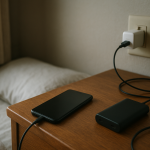
You plug in your phone before an important call, glance down a few minutes later, and somehow the battery is lower instead of higher. Or your laptop shows the charging symbol, then quietly drops it, then brings it back again like nothing happened. That kind of problem gets under your skin fast because it is not a clean failure. The device is not dead. It is not working properly either.
And once you notice it, it is hard to ignore.
I think that is what makes inconsistent charging so draining. You start watching the battery icon more than whatever you were actually trying to do. A simple task turns into a little background stress loop. Is it charging right now? Did the cable shift? If I leave it alone, will it still be alive in an hour?
Why This Situation Feels So Frustrating
A device that charges unreliably creates a strange kind of helplessness. You still need the phone, tablet, or laptop for normal daily life, but you stop trusting it. You bring a charger everywhere, then still feel nervous even when it is plugged in. That loss of trust is the real problem.
There is also the money worry. Sometimes it is just a worn cable or a bit of dust in the port. Sometimes it is the beginning of a bigger repair. When the issue comes and goes, your mind jumps back and forth between those two possibilities. Maybe this is small. Maybe this gets expensive. Maybe I should deal with it now. Maybe I am overreacting.
That uncertainty wears people out. Especially when the device is tied to work, school, travel, family, or safety. It is hard to stay calm about battery problems when your whole routine sits inside that screen.
Something feels off.
What People Usually Notice First
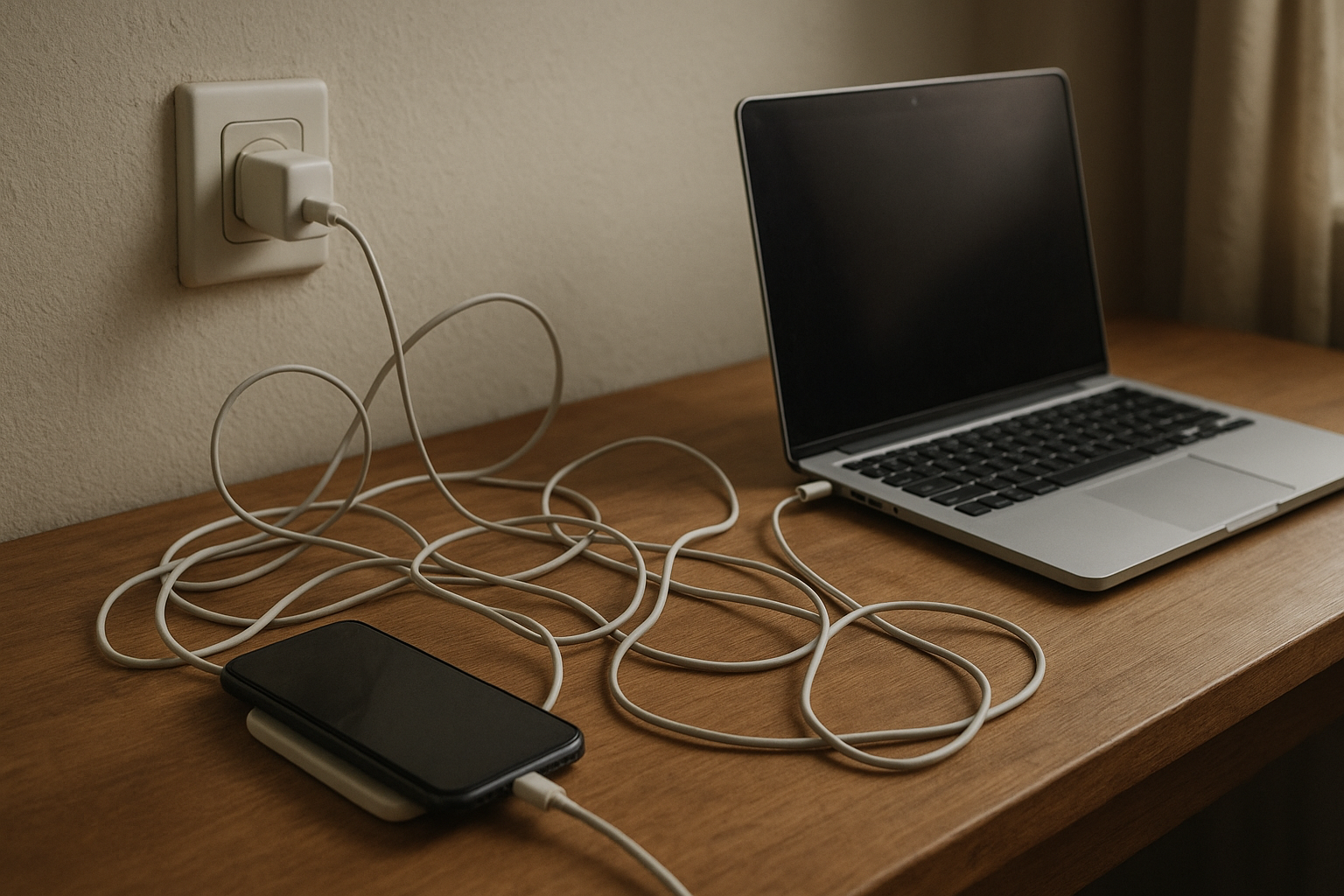
Usually it starts with one odd moment that seems easy to dismiss. A phone loses charge during an important call even though it was plugged in. A laptop charging light flickers while someone is trying to finish work or submit an assignment. A tablet behaves perfectly at home, then charges unpredictably during travel when you need it most. Or maybe nothing dramatic happens at first. You just find yourself adjusting the cable again and again, hoping this angle is the one that finally works.
That last part is familiar to almost everyone who has dealt with this. You do the small cable wiggle. You press the connector in a little more firmly. You set the device down very carefully as if one wrong movement will ruin everything. It becomes a weird ritual.
And it is annoying.
Why It Can Be Confusing
Charging problems are confusing because they rarely announce themselves clearly. Slow charging and unstable charging can look similar at first, but they do not feel the same in real use. A slow device is frustrating, but at least the battery is moving in the right direction. An unstable one makes you doubt what is happening from minute to minute. You cannot tell if the device is recovering or slipping backward.
People also struggle with deciding whether the issue is serious. If it charges normally sometimes, it is tempting to think it cannot be a real problem. But inconsistent behavior is exactly what makes it difficult to judge. It creates just enough hope to keep postponing a decision.
If you are trying to sort out what that kind of pattern usually means, this look at inconsistent charging problems lines up with what a lot of people experience in everyday use.
The harder question is knowing when home fixes are no longer enough. Most people do not want to rush into a repair over a minor issue. But they also do not want to wait until the device stops charging completely. So they keep testing it, second-guessing it, and living with the uncertainty longer than they want to.
The Hidden Impact on Daily Use
Unreliable charging does more than threaten battery life. It changes how you use the device all day. You avoid leaving the house without a backup charger. You cut calls short. You lower brightness, close apps, and keep checking percentages instead of focusing on work. If it is a laptop, you may choose where to sit based on outlet access instead of what is convenient or comfortable. If it is a tablet during travel, the whole trip starts feeling less flexible.
That sounds small until it keeps happening.
There is a deeper stress underneath it too. People depend on technology for basic stability now. Directions, payments, messages, documents, tickets, notes, reminders, emergency contacts. When one of those tools becomes unreliable, even in a minor way, it can create a real sense of instability. Not dramatic. Just persistent.
You start planning around the problem. That is usually the moment it stops being a tiny annoyance and starts affecting your day.
When It’s Probably Nothing Serious
Sometimes the issue really is small. A charging cable may be worn out even if it still works part of the time. A wall adapter may be inconsistent. A port may have lint or debris that prevents a steady connection. Travel can also expose weak accessories because a charger that seemed fine at home suddenly fails when used in a different outlet or after being packed and unpacked repeatedly.
If the device charges normally with a different trusted cable or adapter, that is a good sign. If the problem appeared recently after a charger got bent, pulled, or frayed, that also points more toward an accessory issue than a major internal one. The same goes for a temporary hiccup after an update or after heavy use, especially if the problem does not keep repeating.
Not every charging problem means the battery is failing. Sometimes it is the simpler explanation.
When You Should Pay More Attention
If charging cuts in and out regularly, if the connector feels loose, if the device only charges in one exact position, or if it gets unusually warm while plugged in, it deserves more attention. Those patterns suggest the issue is becoming less random and more established. That is usually when people regret waiting.
The same is true if battery percentage drops fast even while connected to power, or if the device repeatedly stops charging during ordinary use. If your phone cannot stay powered during a normal call, or your laptop disconnects from charging while you are actively using it at a desk, that is more than a passing annoyance.
This is usually the point where frustration turns into doubt. Do I keep trying little fixes, or am I wasting time? That question matters because a small issue can become more disruptive long before it becomes truly severe.
Simple Ways to Improve the Situation
The safest starting point is usually the least dramatic one. Try a reliable charger and cable you trust. Pay attention to whether the problem happens in one outlet, one room, or one setup more than others. Check whether the charging port looks blocked or dirty, without poking around aggressively or trying risky home repair tricks. If the problem is tied to a single accessory, replacing that may be enough.
It also helps to notice patterns instead of reacting to every single bad charge. Does it happen only during travel, only while the device is being used heavily, or only when the cable gets bumped? Those details make the problem feel less mysterious and can help you decide whether it is worth getting checked.
If the issue keeps returning after you have ruled out obvious charger and outlet problems, getting help is reasonable. Not dramatic. Just practical.
You do not have to wait until the device is completely dead to take it seriously.
Conclusion
Inconsistent charging is stressful because it attacks reliability more than function. The device still works, sort of, which is exactly why it keeps disrupting your day. You can never fully relax around it. You keep checking. Keep adjusting. Keep wondering if this is the time it finally stops.
That uncertainty is exhausting.
If the problem seems minor, it may well be. But if it keeps showing up, trust that instinct too. A device you depend on every day should not feel like a gamble every time you plug it in.