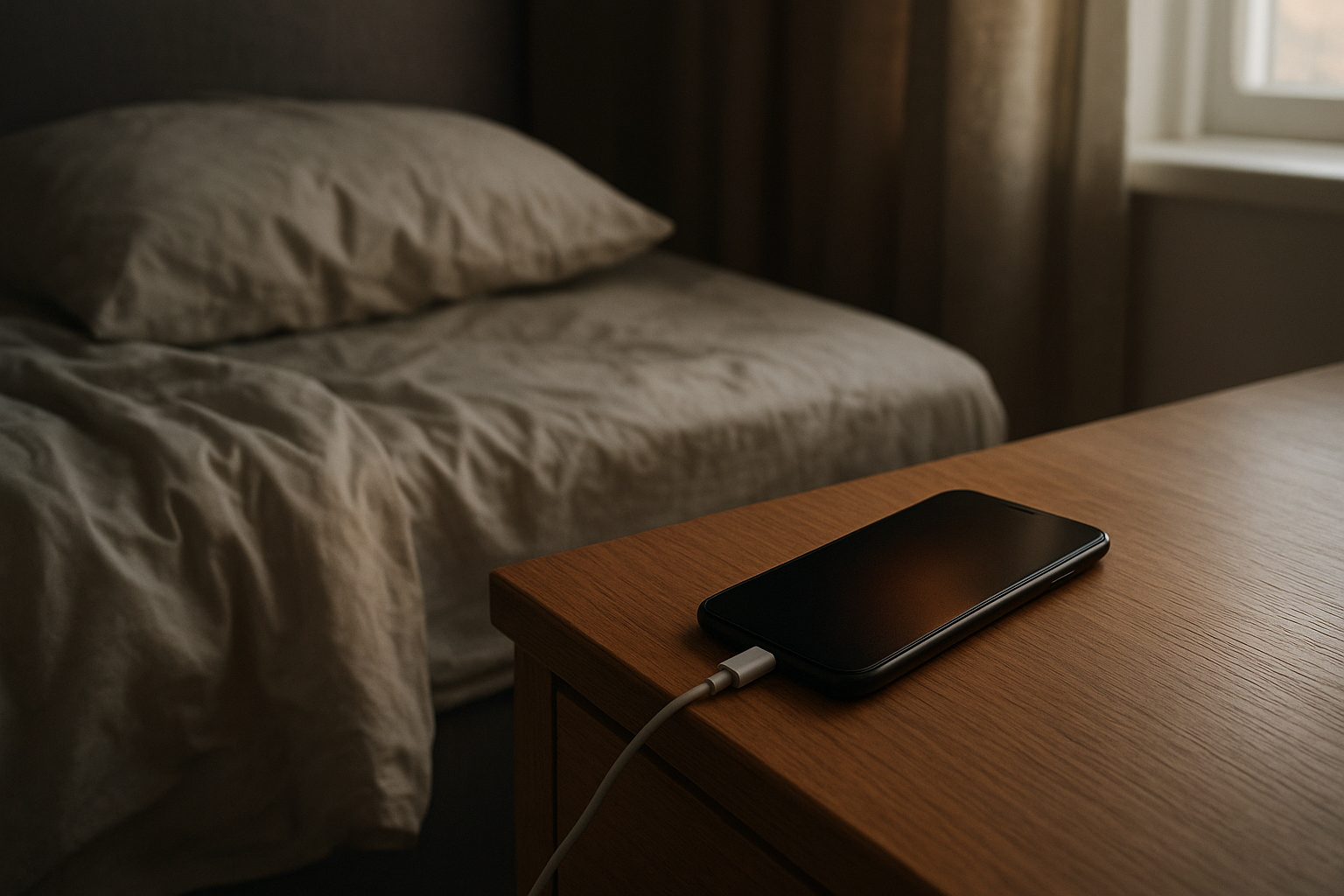
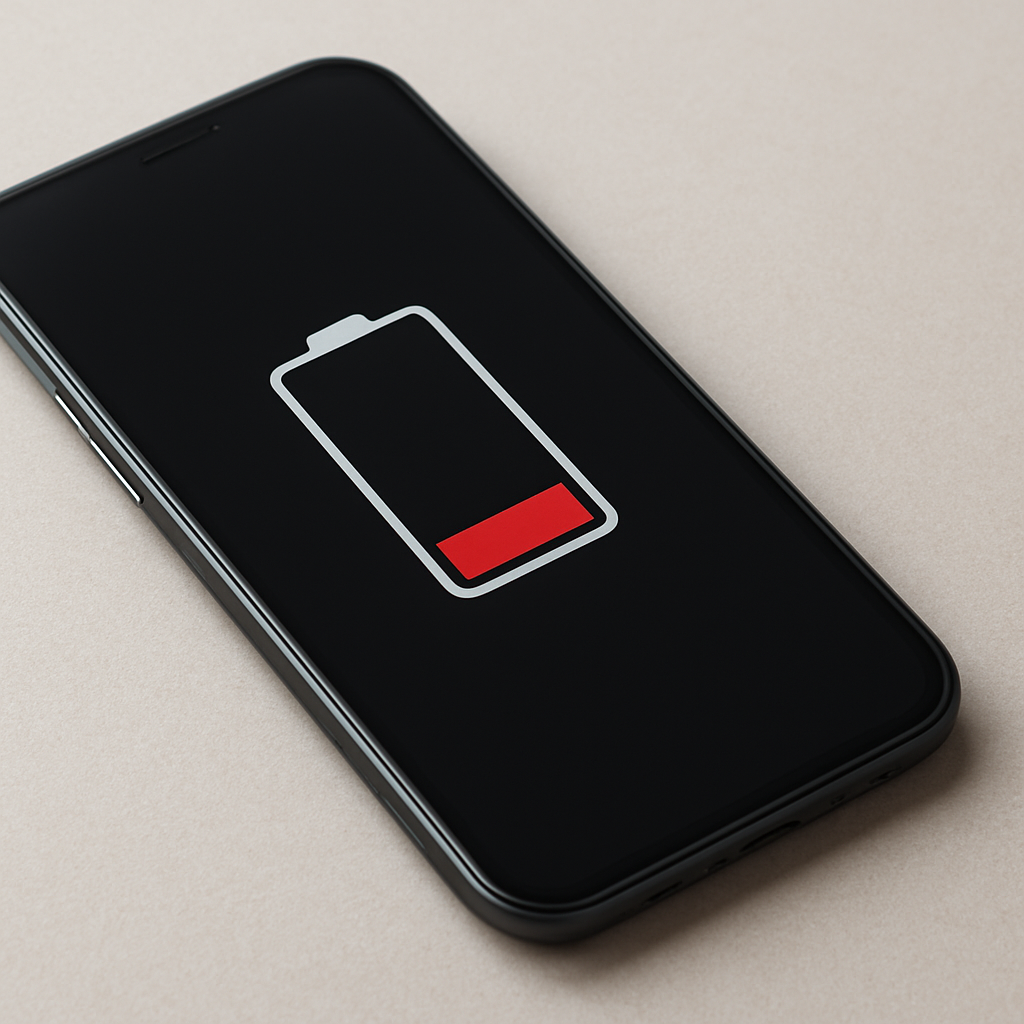
You charge your phone before bed, set it on the nightstand, and expect it to be fine by morning. Then you wake up and it is down far more than it should be. Or you close your laptop for the night, feeling prepared for the next day, only to open it and see a battery drop that makes no sense. That kind of battery drain gets under your skin fast because nothing obvious happened. You were not streaming anything, gaming, or doing some giant update on purpose. The device was supposed to be resting.
And once you notice it, it is hard to ignore.
A device losing power while idle creates a strange kind of tension. It still works, technically. But it no longer feels dependable. Something feels off.
Why This Situation Feels So Frustrating
Part of the frustration is simple: we rely on these devices all day. A phone is not just a phone anymore. It is maps, messages, work, payment, notes, alarms, and the little routines that hold a day together. A laptop is often the same story. So when the battery starts disappearing while the device is untouched, the issue feels bigger than a number on a screen.
There is also the feeling of losing control. You put the device down. You are not asking it to do anything. Yet somehow it acts busy on its own, chewing through power in the background. That hidden activity is what makes people uneasy. If battery life drops while you are actively using something, that is one thing. If it drops while sitting still, it starts to feel unpredictable.
That unpredictability wears on trust. You want to believe your device will last through the workday, a trip across town, or one night away from an outlet. When it does not, your whole day shifts around the charger instead.
It gets annoying fast.
What People Usually Notice First
Most people do not start with battery settings or app diagnostics. They notice the problem in ordinary moments. The phone that was near full before sleep is suddenly much lower by breakfast. The tablet left on the table for a few hours somehow lost a surprising chunk of charge. A laptop gets closed with plenty of battery left and still wakes up exhausted.
Another common moment is heat. You put a phone in a pocket or bag, do not touch it for a while, and later it feels warmer than it should. That is usually when concern starts. Heat suggests the device was doing something, even if you were not. Not always something serious, but enough to make you wonder whether an app, a signal issue, or some background task stayed active too long.
Then there is the situation where you are away from a charger and suddenly realize you do not trust the battery anymore. That changes how you use the device. You lower the brightness, avoid opening certain apps, or carry a cable everywhere just in case. It stops feeling convenient. It starts feeling like upkeep.
Why It Can Be Confusing
Battery drain when idle is confusing because normal battery loss is not always easy to judge. Every device loses a little power over time, even when you are not actively using it. The trouble is that most people do not know what counts as normal and what crosses the line into a real problem. Five percent overnight might not feel great, but it can happen. Fifteen or twenty starts to feel very different.
It is also hard to tell where the problem begins. Is it a setting that keeps the screen or network more active than expected? Is one app checking in too often in the background? Is the battery simply getting older and less stable than it used to be? From the outside, those can all look the same. The result is just battery gone for no obvious reason.
If you want a plain-language look at why this happens, it helps to see the issue described without making it sound like the device is falling apart. Sometimes the cause is small. Sometimes it is a pattern worth watching.
That uncertainty is what gets people. You do not know whether to shrug it off, change a few habits, or start pricing a replacement battery.
The Hidden Impact on Daily Use
This kind of issue affects more than convenience. It chips away at productivity because you start planning around battery life instead of around what you actually need to do. You may hesitate to bring just the laptop to a meeting. You may stop trusting your phone on a long afternoon out. You may keep topping off the charge because you are never quite sure what level is really safe anymore.
There is a low-grade stress that comes with hidden battery drain. It is not dramatic, but it stays there. The device looks idle, but you suspect it is doing something you cannot see. That creates a weird distance between you and an everyday tool that is supposed to be simple. You start checking battery percentage more often. You notice warmth. You notice dips. You notice every little thing.
And once trust starts slipping, the device feels older than it is.
That part matters.
When It’s Probably Nothing Serious
Not every overnight drop means a failing battery or expensive repair. Sometimes a recent software update settles down after a day or two. Sometimes poor signal strength causes a phone to work harder while it sits there searching for a stable connection. Sometimes brightness, syncing, location activity, or notifications simply add up more than expected. It is also common for batteries to feel a little less consistent as devices age, even before there is a major problem.
If the drain is occasional, mild, and not getting worse, it may be more of a settings-and-habits issue than a hardware issue. A one-time drop after travel, weak reception, or a heavy day of use does not always mean much on its own. Devices are not perfectly steady all the time.
Still, it helps to keep an eye on patterns. One bad night is annoying. A week of the same thing tells a clearer story.
When You Should Pay More Attention
If the battery loss becomes frequent, large, or paired with unusual heat, that is worth taking more seriously. The same goes for devices that shut down unexpectedly, charge very slowly, or feel warm while doing almost nothing. If battery health warnings appear, or if the charge drops in sudden chunks instead of gradually, the issue may be moving beyond simple background activity.
It is also worth paying attention if the problem changes your behavior every day. When you stop trusting the device to make it through ordinary use, the issue is no longer minor, even if the device still turns on and works. Reliability is part of the product. When that fades, the experience changes with it.
Not broken. But not right either.
Simple Ways to Improve the Situation
The first things worth trying are usually the least dramatic. Restarting the device can clear up temporary background activity. Checking for app or system updates can help if something is misbehaving after a recent change. Lowering unnecessary background refresh, reducing constant location access, and trimming notification-heavy apps can also make a noticeable difference without changing how you use the device too much.
It can also help to notice patterns instead of reacting to one bad stretch. Does the battery drop more overnight when signal is weak? Does heat show up after a certain app was open earlier in the day? Does the laptop drain more after being closed without a full shutdown for several days? Small clues often tell you whether this is a temporary software issue, a settings problem, or the early signs of a battery that is simply wearing out.
If the battery is older, some decline is normal. That does not automatically mean you need a new device. Sometimes replacing a battery makes the whole thing feel dependable again. Sometimes simple adjustments are enough.
Conclusion
A device battery draining while idle is frustrating because it breaks a quiet promise. You put the device down and expect it to stay ready. When it does not, you start doubting it in all the moments that matter, especially when no charger is nearby.
The good news is that this kind of problem is not always a sign of something expensive or permanent. But it is worth paying attention to, especially if the drain becomes consistent, warm, or disruptive. In a normal day, reliability matters more than people realize until it starts slipping.
You should not have to babysit a battery all the time.
And if that is where things are headed, your frustration makes sense.