

When Your Battery Percentage Stops Feeling Trustworthy
A battery percentage that jumps around or feels wrong can make any phone or laptop feel unreliable, even when the device still seems mostly normal.
Battery health determines how much charge a battery can store and how efficiently it delivers power. Over time, all rechargeable batteries degrade due to charging cycles, temperature, and normal chemical wear.
The guides below explain how battery health works and why some devices limit charging to protect battery lifespan.
A battery percentage that jumps around or feels wrong can make any phone or laptop feel unreliable, even when the device still seems mostly normal.

A laptop stuck at 80% can feel like a battery failure, but sometimes it is an intentional setting meant to protect long-term battery health.

A battery stuck at 50% can feel alarming, especially when work, school, or family plans depend on a device being fully charged and reliable.

A phone stuck at 1 percent can feel like a small glitch or a serious warning. Here is why it feels so stressful and what it may mean.
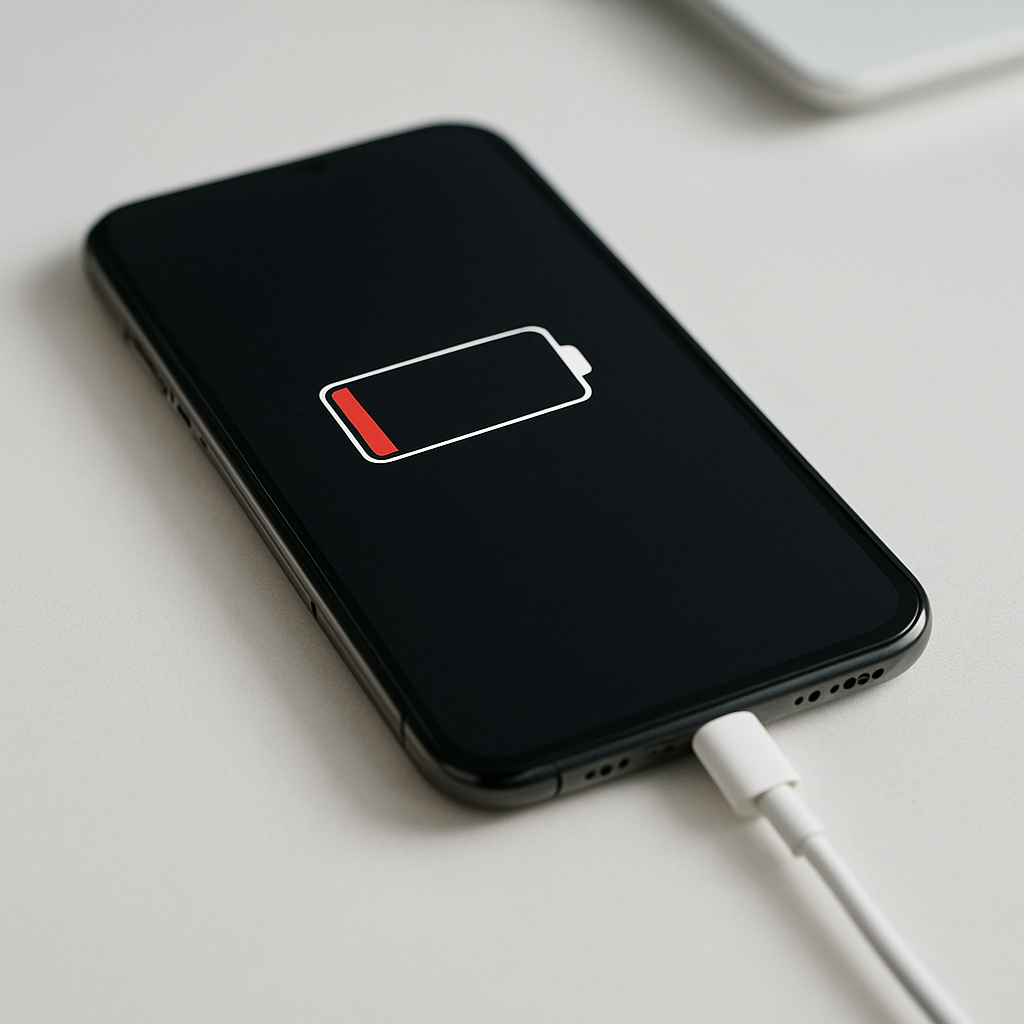
Diagnose why your phone stops charging at 50 percent, whether due to battery health protection settings or permanent battery capacity loss, and learn how to address each cause.

Learn why some phones stop charging at 90 percent, how battery health management systems work, and how to distinguish between protective features and actual charging faults.
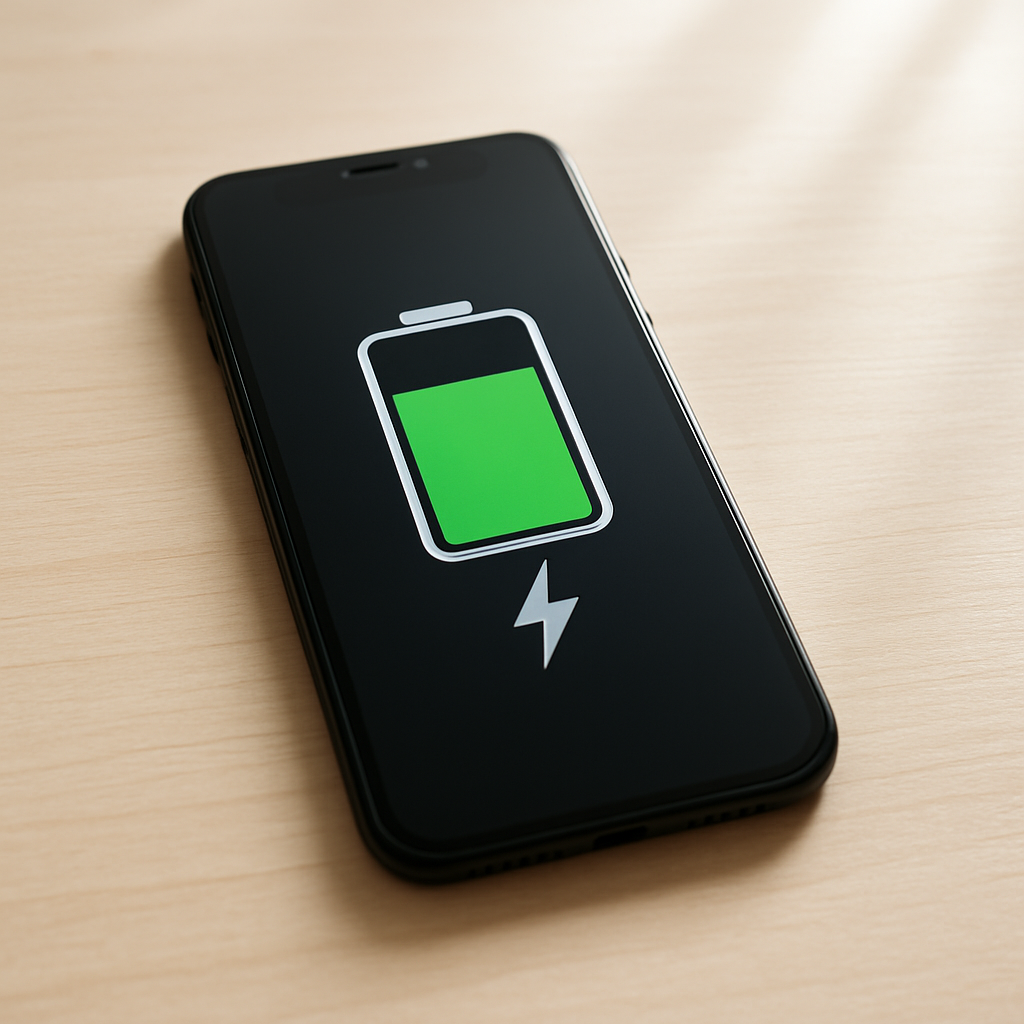
Diagnose inaccurate phone battery percentage readings by identifying calibration errors or sensor failures, and learn solutions to restore accurate battery level tracking and reliable device power management.
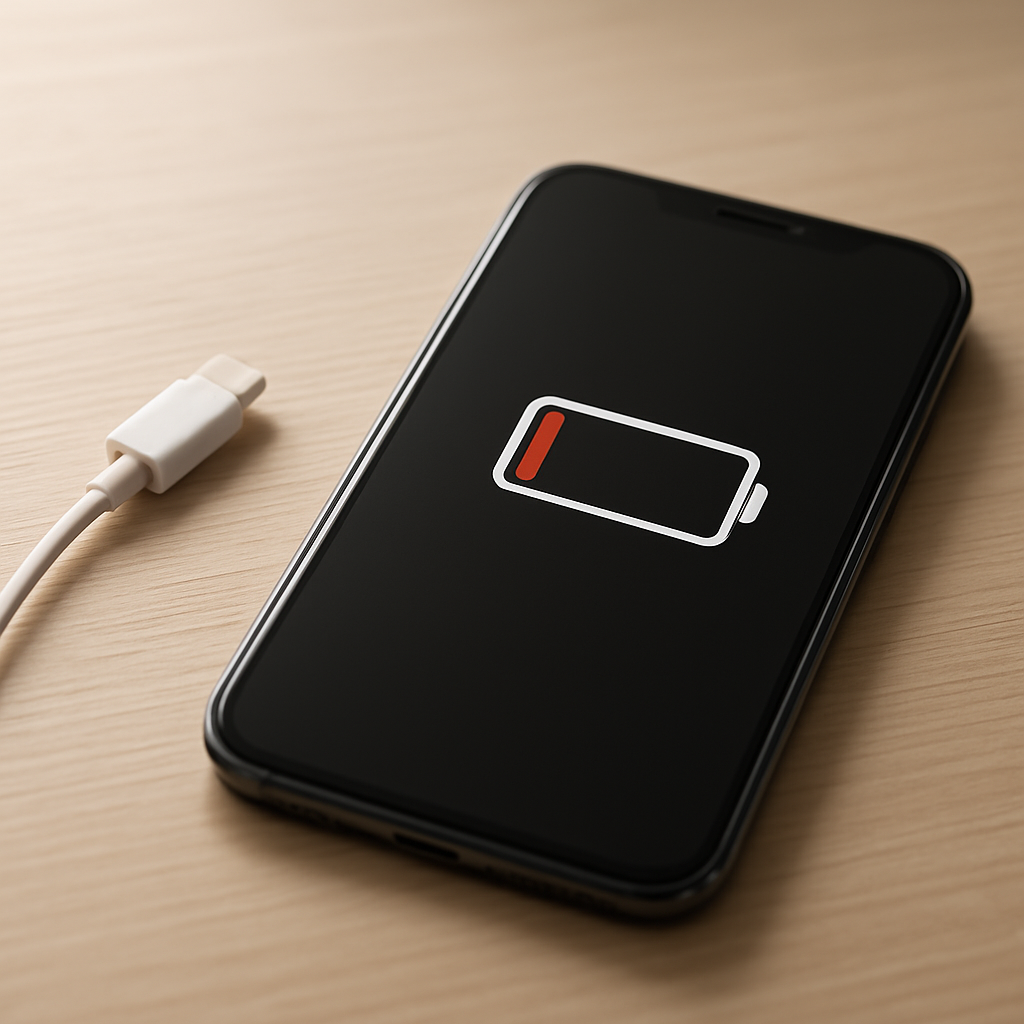
Diagnose why your phone stays stuck at 1 percent charge, focusing on battery sensor errors versus actual charging hardware failures and how to identify the true cause.

Learn how to identify if your device’s battery drain is due to normal lithium cell aging or abnormal wear, and understand solutions for reduced charge retention over time.
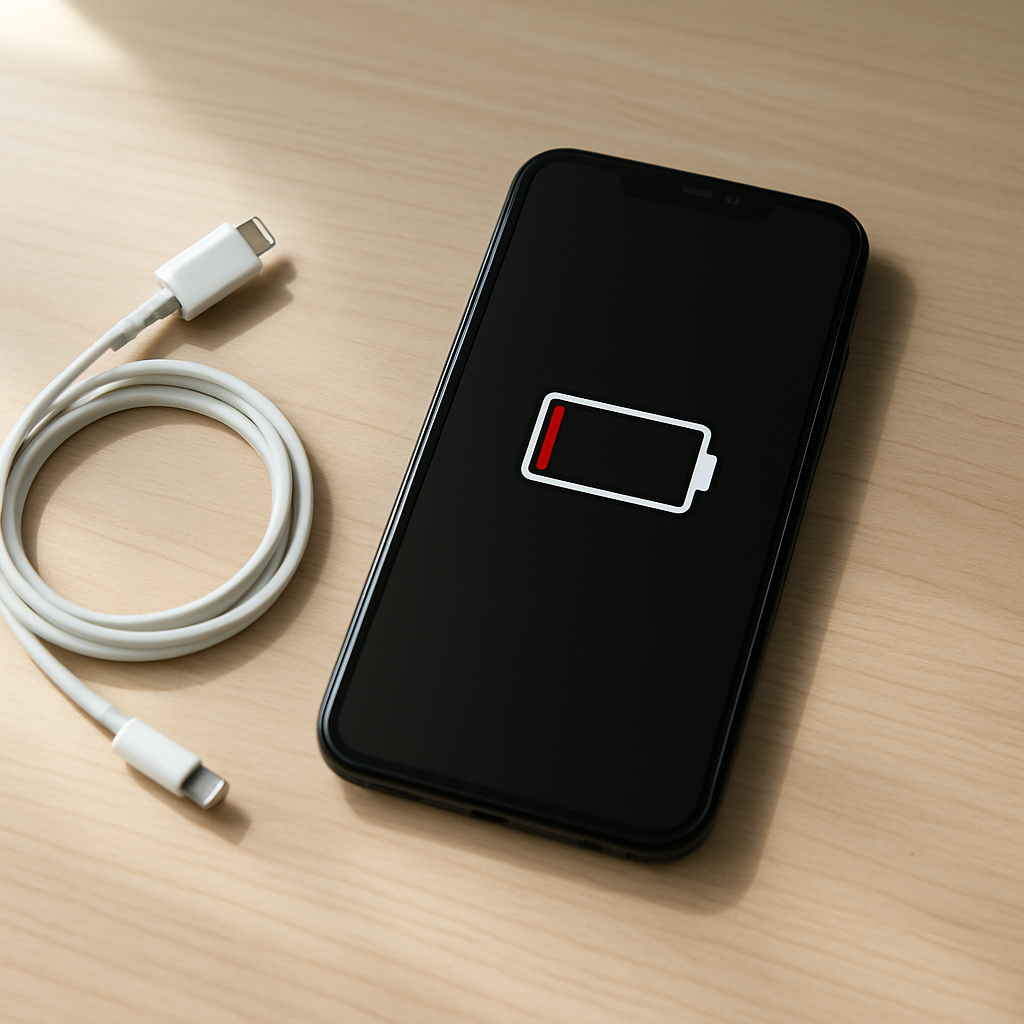
Diagnose rapid battery percentage drops in phones by distinguishing between sensor errors and actual battery health decline, with guidance on identifying voltage measurement issues versus real capacity loss.