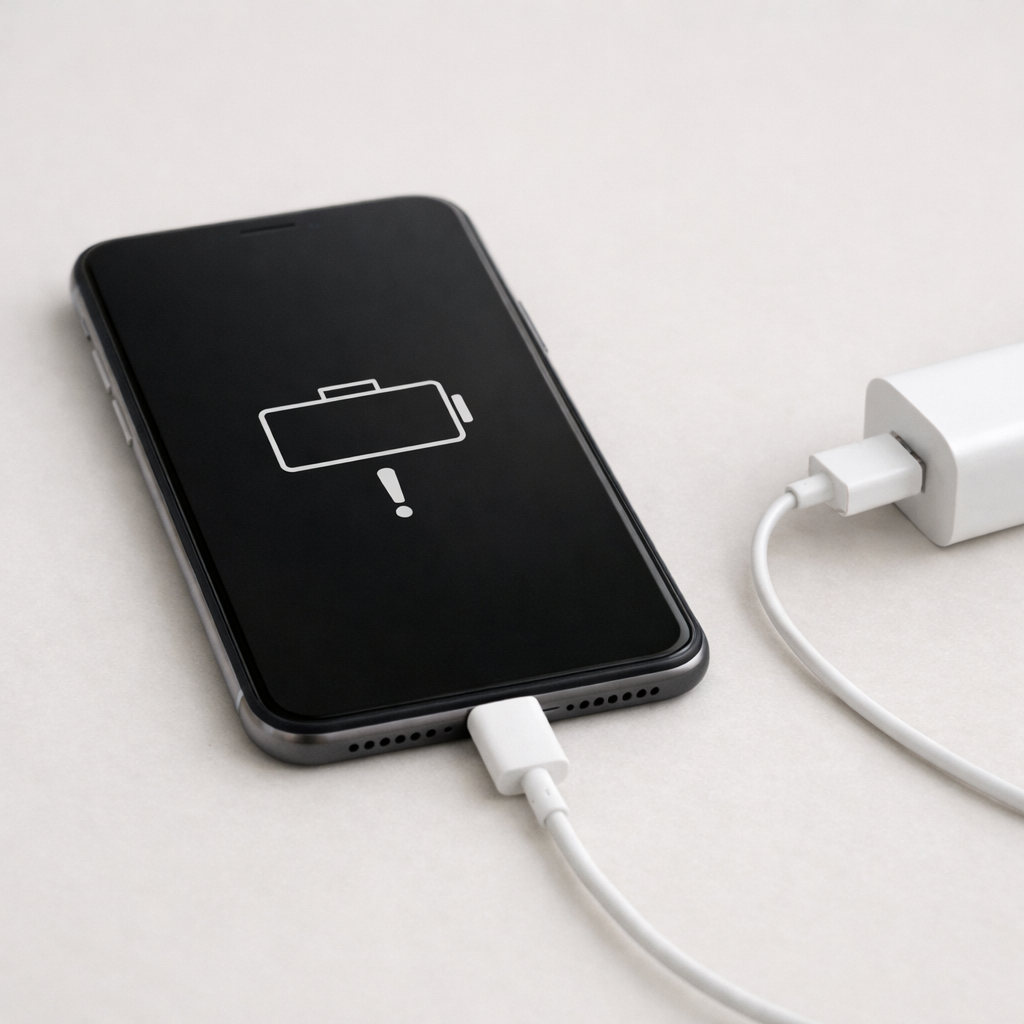
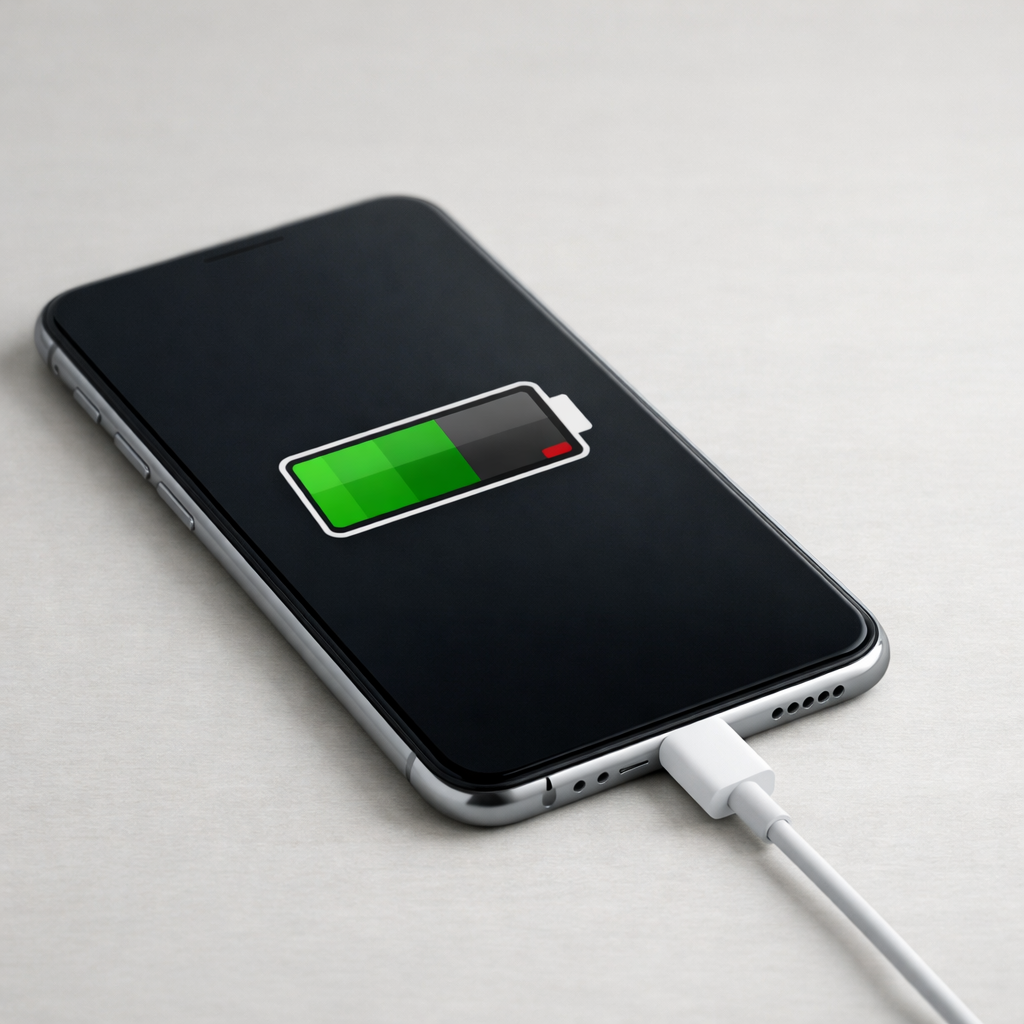
Device Not Charging Fully — Capacity Limit or Charging Control Issue?
Quick Answer
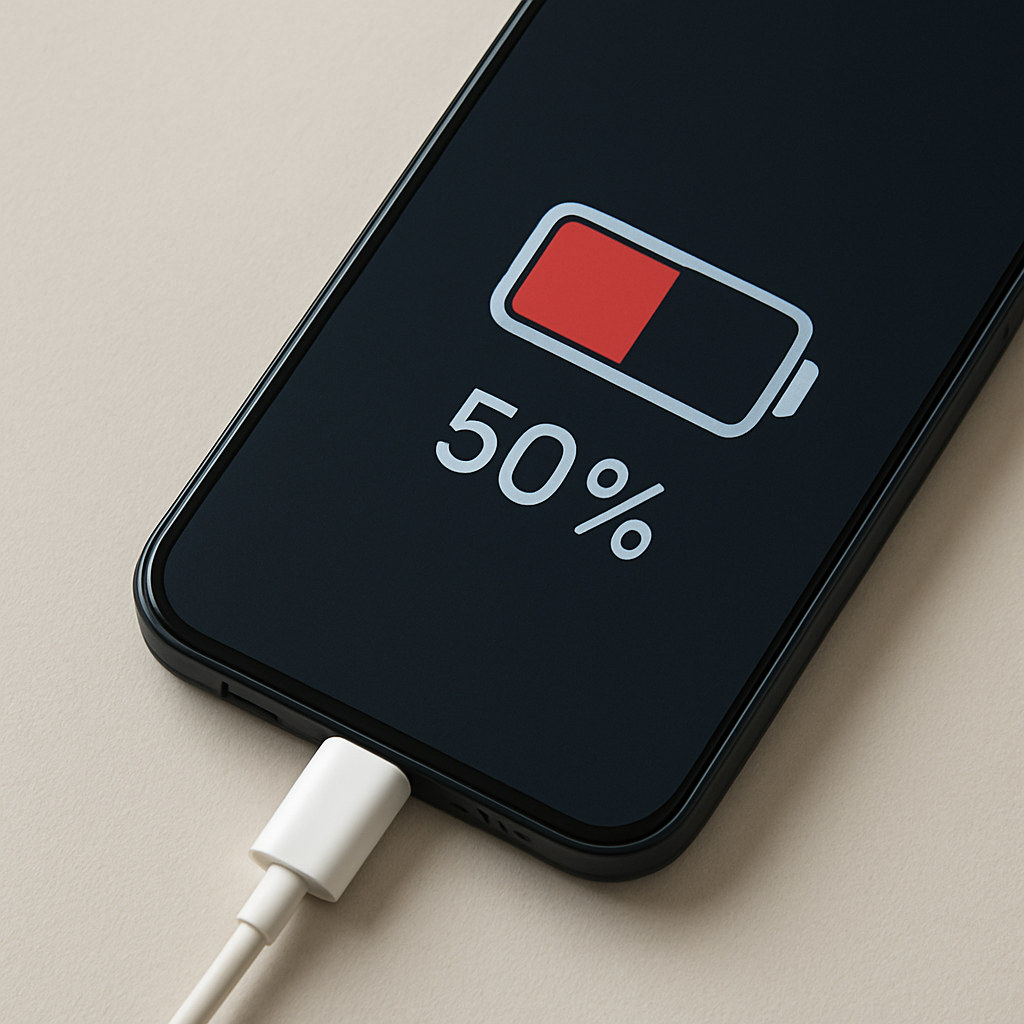
Most of the time, a device that stops charging “early” (for example at 80–95%) is reacting to unstable voltage from the charger/cable/outlet or to small fluctuations in its own charging regulation. When the power coming in isn’t steady, the device protects the battery by slowing down, pausing, or ending the charge sooner than you expect.
This usually shows up during fast charging, while using the device, or when the battery is warm. In many cases it’s intermittent and may resolve within the same charging session or over a few cycles once the power source is stable.
If you need a fast fix
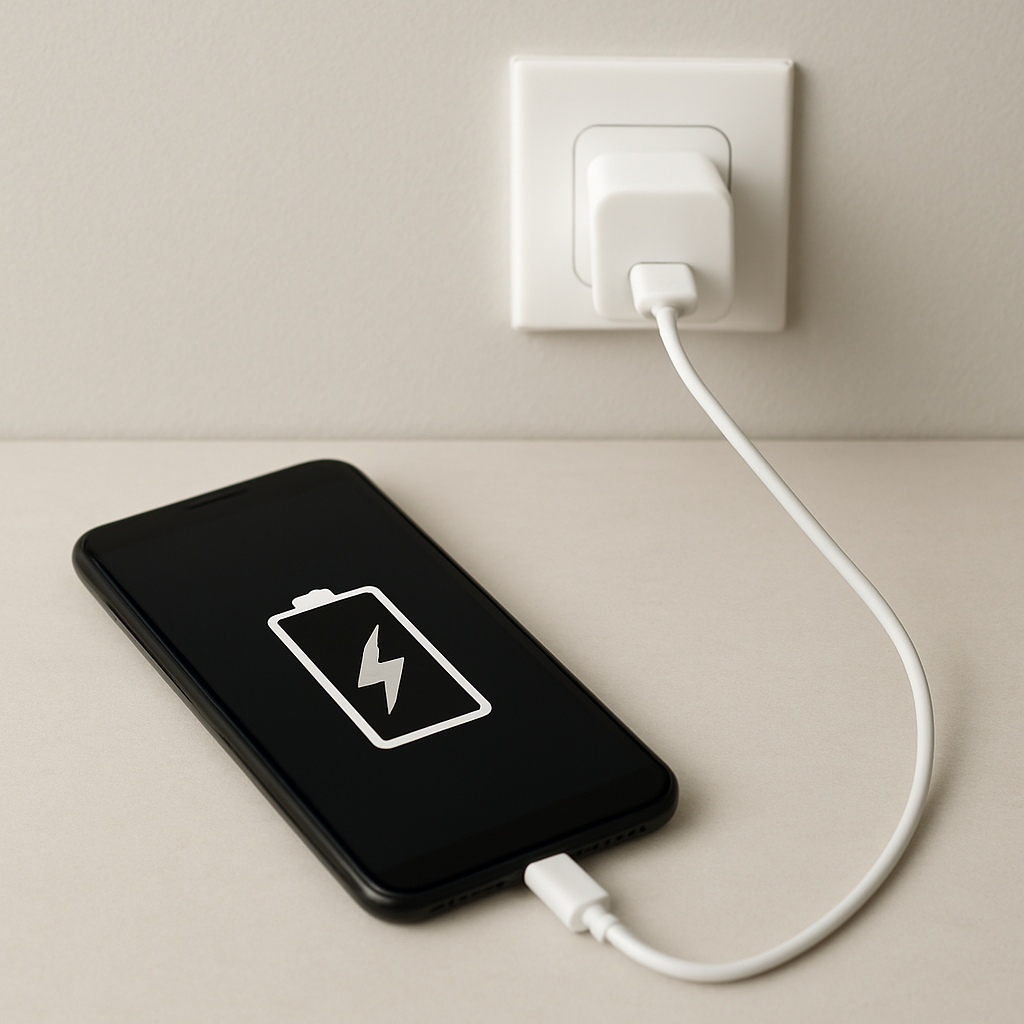
- Switch to a known-good charger and cable (preferably the original or a reputable brand), and plug directly into a wall outlet.
- Stop using the device while it charges and remove thick cases so it can stay cooler.
- Restart the device, then try charging from 20–30% up to 90–100% without interruption.
Quick Diagnosis Table
| Symptom | Most likely cause |
|---|---|
| Charges to 80% and stops, then resumes later | Voltage dips or heat triggers charge throttling; charging control pauses to protect the battery |
| Jumps between “charging” and “not charging” | Loose cable/port contact or charger negotiating power repeatedly due to unstable input |
| Stops at 90–95% and takes a very long time to reach 100% | Normal top-off behavior made worse by unstable power, background use, or battery temperature |
| Only reaches full charge on a slow charger or PC USB port | Fast charger, cable, or outlet causing unstable voltage; slower sources stay steadier |
| Shows 100% but drops quickly after unplugging | Battery calibration drift or weakened battery; charging regulation may end early under fluctuating input |
Why This Happens
Your device charges in stages. Early on it can pull more power, but near the top it becomes picky: it needs stable voltage and a controlled trickle to finish safely and accurately.
If the charger or cable can’t keep voltage steady, the device may constantly renegotiate power (especially on USB-C Power Delivery or fast-charge systems). That can look like the battery “refuses” to hit 100%, even though the device is actually protecting itself from unreliable input.
In real life, this often happens with worn cables, cheap multiport chargers, power strips with loose sockets, or when you charge while streaming video or gaming. The cause (unstable input or internal regulation fluctuation) leads to the symptom (charging slows, pauses, or stops short) because the device’s charge controller prioritizes safety and temperature over reaching a specific percentage quickly.
Most Common Causes (Ranked)
- 1) Charger or cable voltage drop under load: A cable with high resistance or a weak charger can sag in voltage when the device tries to pull more power, causing charging to throttle or stop early.
- 2) Fast-charge negotiation instability: USB-C PD and proprietary fast charging rely on “handshakes.” If the charger, cable, or port is marginal, the handshake repeats and charging becomes inconsistent.
- 3) Heat-based charge limiting: Warm batteries charge more slowly, and many devices pause or cap charging (often around 80%) when temperatures rise, especially in cases or on beds/blankets.
- 4) Background usage mimicking “not fully charging”: If the device is consuming power while charging, it may plateau at 70–95% because incoming power barely exceeds what the device is using.
- 5) Dirty, worn, or loose charging port: Pocket lint, oxidation, or a slightly loosened port can create momentary disconnects that look like charge control issues.
- 6) Battery health decline affecting regulation near the top: As batteries age, internal resistance rises and the device may end charging earlier or show unstable percentages near full.
If you notice the “full charge” percentage gradually climbing higher over several sessions after switching chargers or cables, that usually indicates the power input is stabilizing rather than a failing battery.
How to Check the Problem Safely
- Check 1: Try a different wall outlet, then charge directly from the wall (avoid power strips, extension cords, and multi-adapters for this test).
- Check 2: Swap to a known-good cable and charger rated for your device, and verify the connectors fit snugly without wiggling.
- Check 3: Watch for charge-state flapping: if it switches between charging and not charging when you tap the cable, the issue is usually cable/port contact or power negotiation.
- Check 4: Charge with the screen off and no heavy apps running (no hotspot, games, navigation, or video) and see if it reaches a higher percentage.
- Check 5: Feel for heat: if the device is noticeably warm, remove the case and move it to a cooler surface, then retest the same charger.
Safety note: if you smell burning, see smoke, or the battery area feels hot to the touch, stop charging immediately and move the device away from flammable items.
How to Fix It
- Fix 1 (easiest): Replace the cable first, then retest. Cables fail more often than chargers, and a high-resistance cable can cause voltage dips that prevent a stable top-off.
- Fix 2: Use a single-port, reputable wall charger with the correct rating for your device. Dedicated ports tend to deliver steadier power than cheap multiport bricks.
- Fix 3: Reduce heat and load while charging. Charging in a cool room, with the screen off and the case removed, helps the charge controller avoid throttling around 80–95%.
- Fix 4: Clean the charging port carefully and re-seat the connector. If you can see lint, gently remove it with a non-metal tool and then test for a firm connection.
- Fix 5 (advanced/last resort): Update the device software and reset charging-related settings (like optimized charging) if available. Some updates adjust charge control behavior, and optimized charging can intentionally pause near 80% depending on your usage pattern.
Signs of Battery or Hardware Damage
- Battery percentage drops rapidly right after unplugging, even after a long charge.
- Device gets unusually hot during normal charging, especially near the battery area.
- Charging only works at certain angles, or the connector feels loose and unreliable.
- You see bulging, screen lift, or the back cover separating (possible battery swelling).
- Repeated “accessory not supported” or “moisture detected” messages with multiple known-good chargers.
- Device randomly restarts or shuts down when the battery is above 20–30%.
- Visible discoloration, melting, or burnt smell from the port, cable, or charger.
When Repair Is No Longer Worth It
If the device won’t charge reliably even with a known-good charger and cable, and the port is loose or damaged, repair may involve a port replacement or board-level work. For older devices, that cost can approach the value of the device, especially if battery health is also low.
As a rule, consider replacement when the repair estimate is more than 40–50% of the price of a comparable used or new device, or when there are safety red flags like swelling or overheating. If the device is still under warranty, start with warranty service or an authorized repair shop to avoid compounding the problem.
How to Prevent This Problem in the Future
- Use a quality charger and cable that match your device’s fast-charge standard, and avoid no-name high-wattage bricks.
- Plug into stable outlets and avoid loose power strips that can cause split-second voltage drops.
- Don’t bend the cable sharply at the connector; strain relief damage often causes intermittent voltage sag.
- Keep the charging port clean and dry, and avoid pocket lint buildup by storing the device port-side up when possible.
- Charge on a hard, cool surface and remove insulating cases if the device warms up.
- Avoid heavy use while charging when you need a full charge, since load can prevent the last 5–20% from completing.
- If your device offers optimized or battery-protection charging limits, learn how it behaves so “stopping at 80%” doesn’t surprise you.
FAQ
Why does my device stop charging at 80% even though the charger is plugged in?
Many devices intentionally pause around 80% to reduce battery wear, especially if optimized charging or a battery protection limit is enabled. If that setting is off, the next most common reason is heat or unstable voltage causing the charge controller to throttle. Try a different charger/cable and a cooler charging setup to confirm.
Is it normal for charging from 90% to 100% to take so long?
Yes, the last 10% is typically slower because the device switches to a gentler “top-off” mode for safety and battery longevity. Unstable input power or using the device while charging can stretch that time even further. If it never reaches 100% on multiple chargers, it’s worth checking the cable, port, and battery health.
Will a higher-watt charger fix incomplete charging?
Not always. A higher-watt charger only helps if it’s reputable, compatible, and paired with a good cable that can maintain stable voltage under load. If your current setup is unstable, switching to a quality correct-standard charger (not just higher wattage) is more likely to solve the problem.
Most battery issues are easier to understand once you break them down step by step. That’s the approach Mark Reynolds takes across all troubleshooting guides. For more details, visit the complete guide.
For a full overview of this issue and step-by-step solutions, read the complete troubleshooting guide.