Charger Overheating While Plugged In — Is It Dangerous and What To Do
Quick Answer
A charger usually overheats because electricity is meeting extra resistance somewhere (in the plug, cable, or charger) or because the charger is converting power inefficiently, turning more energy into heat than it should. When that heat buildup exceeds the charger’s safe temperature range, the outside case can feel hot and performance may drop.
A little warmth is normal, especially during fast charging, but it should not become too hot to comfortably hold for a few seconds. If it gets very hot within 10–30 minutes, or gets hotter over time while staying plugged in, treat it as a warning sign and troubleshoot.
If you need a fast fix
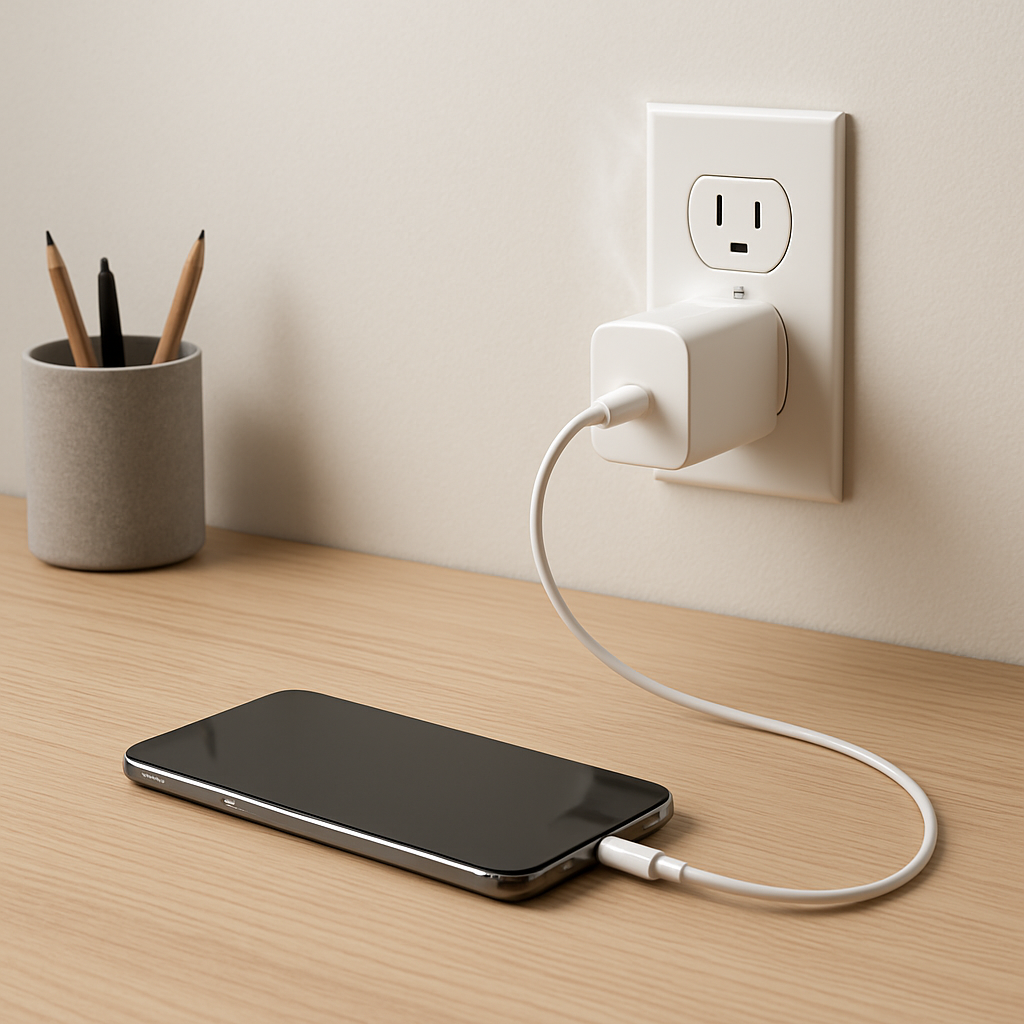
Unplug the charger from the wall and the device, let everything cool for 10–15 minutes, then try again in a different outlet.
Remove heat traps: don’t charge under pillows, on carpet, inside a bag, or in direct sun; place the charger and device on a hard, open surface.
Swap to a known-good cable and (if possible) a different compatible charger to see if the heat follows the cable/charger or the device.
Quick Diagnosis Table
Symptom
Most likely cause
Charger is hot but charging speed is normal
Normal conversion heat during fast charging, made worse by poor ventilation or warm room temperature
Charger becomes too hot to touch within 10–20 minutes
High resistance at a loose plug/cable connection, damaged cable, or failing internal components
Overheating protection triggering due to inefficient power conversion, cable issues, or device drawing unstable power
Burning smell, buzzing, crackling, or visible melting
Electrical fault in the charger, cable, or outlet; stop using immediately
Why This Happens
Every charger converts wall power into the lower-voltage power your device can use, and that conversion is never 100% efficient. The “lost” energy becomes heat, and that heat must escape through the charger’s casing and the air around it.
If something increases electrical resistance (like a loose plug, dirty port, worn cable, or a tired outlet), more energy turns into heat at the connection point. It’s similar to how a kinked garden hose makes water flow struggle; the “struggle” in electrical flow shows up as heat.
When heat builds faster than it can dissipate, the charger’s temperature rises, the plastic case feels hot, and the charger or device may slow charging or pause to protect itself.
Most Common Causes (Ranked)
1) Poor ventilation and heat trapping: Charging on a bed, couch, carpet, or inside a bag prevents heat from escaping, so normal warmth becomes overheating.
2) Loose or worn wall outlet connection: A plug that doesn’t fit snugly creates resistance at the outlet blades, which can heat the plug and the outlet faceplate.
3) Damaged or low-quality cable: Thin wires, internal breaks, or cheap connectors increase resistance, so the cable ends (and sometimes the charger) get hot.
4) Charger power conversion inefficiency or aging: Older or off-brand chargers may run hotter, and components can degrade, turning more power into heat over time.
5) Device drawing high power (fast charge) for long periods: Phones and laptops can pull maximum wattage during low battery or heavy use, increasing heat in both the charger and device.
6) Dirty or damaged charging port: Lint, corrosion, or bent pins can create a poor contact, raising resistance and heating at the connector.
If the charger runs noticeably cooler after improving airflow or swapping the cable, that gradual improvement usually indicates the issue was resistance or heat trapping rather than a dangerous internal fault.
How to Check the Problem Safely
Check 1: Feel for where the heat is strongest: the charger body, the wall plug area, the cable, or the device port. The hottest spot often points to the problem location.
Check 2: Try a different wall outlet (preferably on a different circuit) and make sure the plug fits tightly with no wobble.
Check 3: Swap the cable with a certified, known-good cable and test again for 10–15 minutes.
Check 4: Reduce load: stop gaming/streaming, close heavy apps, and see if the charger temperature drops while charging.
Check 5: Inspect ports and connectors with a light: look for lint, discoloration, bent pins, or melted plastic; do not scrape inside with metal tools.
If you notice sparking, crackling, smoke, or a burning smell, unplug immediately and do not reuse the charger, cable, or outlet until it has been checked.
How to Fix It
Fix 1 (easiest): Improve cooling: move charging to a hard surface with airflow and keep the charger uncovered, which helps normal conversion heat dissipate.
Fix 2: Replace the cable with a certified cable rated for your device’s charging power, which lowers resistance and reduces heat at the connectors.
Fix 3: Use the correct charger wattage and a reputable brand (USB-IF/PD compliant, or your device maker), because efficient power conversion runs cooler and more stable.
Fix 4: Stop using a loose outlet or power strip and switch to a snug, undamaged outlet; if the outlet feels warm or looks discolored, have it inspected, since outlet resistance can overheat dangerously.
Fix 5 (advanced/last resort): If multiple good chargers run hot only with one device, get the device’s charging port and power circuitry checked; a failing port or internal charging component can cause excessive draw and heat.
Signs of Battery or Hardware Damage
Battery swelling (screen lifting, case bulging, trackpad on laptops becoming stiff or raised).
Charging speeds suddenly much slower than normal with the same charger and cable.
Device gets unusually hot near the battery area, even when not charging.
Random shutdowns, reboot loops, or battery percentage jumping up/down.
Burning or sweet chemical smell from the device, charger, or cable.
Charger or cable ends show melting, browning, or shiny deformed plastic.
Charging only works when the cable is held at a certain angle (suggests port damage/high resistance).
When Repair Is No Longer Worth It
If the charger itself overheats with multiple cables and outlets, or shows any melting, buzzing, or burning odor, replacement is the safest option. Chargers are sealed and not meant to be repaired, and internal faults can worsen quickly.
For phones and laptops, consider repair when the issue is isolated to a replaceable part (charging port, DC jack, battery). If the repair cost approaches a large fraction of the device’s resale value, or the device shows battery swelling or repeated overheating, replacement is often the better value and reduces safety risk.
How to Prevent This Problem in the Future
Use a charger and cable rated for your device’s maximum charging power; under-rated accessories heat up from extra resistance and stress.
Keep charging areas ventilated and avoid insulating surfaces that trap heat, especially during fast charging.
Plug directly into a solid wall outlet when possible; avoid overloaded power strips that can loosen and heat at the contacts.
Unplug by gripping the plug, not yanking the cord, to prevent internal cable damage that raises resistance.
Periodically check your cable ends and charger for looseness, discoloration, or wobble, and replace at the first sign of wear.
Clean lint from device ports carefully using non-metal tools and gentle air, since debris can cause poor contact and heating.
If your device supports it, enable optimized charging or limit fast charging when you don’t need speed, which reduces heat from power conversion.
FAQ
Is it normal for a charger to be warm while plugged in?
Yes, mild warmth is normal because power conversion produces some heat, even at idle and especially during fast charging. It should not be painful to touch or continue getting hotter the longer it stays plugged in. If it becomes very hot or smells odd, unplug it and troubleshoot.
Can an overheating charger damage my phone or laptop battery?
It can, mainly because heat is a major factor that speeds up battery wear. Many devices slow or stop charging to protect themselves, but repeated high-temperature charging can still reduce long-term battery health. If heat is severe or you see swelling or throttling, stop using that charger/cable.
Should I leave my charger plugged in all the time?
It’s generally safe with a quality charger in a good outlet, but it can still run warm and it’s exposed to power surges and outlet wear. If your charger gets noticeably warm while doing nothing, or your outlet is loose, unplugging when not in use is a smart safety step. Always replace chargers that show damage or overheating.
Mark Reynolds focuses on everyday battery and charging problems, helping users understand what’s normal and what isn’t. For a full overview, check the battery troubleshooting guide.