Introduction
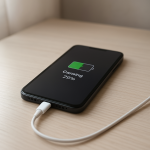
You buy a new charging cable because the old one is bent, frayed, or just unreliable, and for a moment it feels like a simple fix. Problem solved. Then you plug your phone in before leaving home, glance back a few minutes later, and the battery has barely moved. That is the part that gets under your skin. You did the sensible thing, spent the money, replaced the obvious weak point, and somehow charging feels worse.
I have had that exact moment standing by the kitchen counter, shoes on, waiting for enough battery to get through the drive. The phone says it is charging. The icon is there. But the battery percentage crawls so slowly that it almost feels personal.
Something feels off.
Why This Situation Feels So Frustrating
The frustration is bigger than the cable itself. A charging cable is supposed to be the easy part. It is the small accessory you do not want to think about. When a new one fails to make daily life easier, it shakes your confidence in the whole setup. You start wondering whether the cable was a bad purchase, whether the charger block is the real problem, or whether the phone battery is finally giving up.
That uncertainty is exhausting because charging is tied to timing. You are not testing gadgets for fun. You are trying to get out the door, catch a train, answer messages, use maps, or make sure your phone survives the day. When the battery does not recover fast enough, you feel cornered by something that should be routine.
And once you notice it, it is hard to ignore.
There is also that annoying feeling of being misled. New should mean better, or at least equal to what you had before. If the replacement cable charges more slowly than the old one, even though it looks fine and clicks into place, it can make you feel like you wasted money trying to save money.
What People Usually Notice First
Usually it starts in a rushed moment. You plug in your phone while getting dressed or making coffee, expecting a quick top-up before leaving home, and the battery barely climbs. Later, during a commute or a long travel day, the problem becomes even more obvious. You connect the phone in the car, to a power bank, or at an airport outlet, and the battery still drains while you are using maps, music, or messaging.
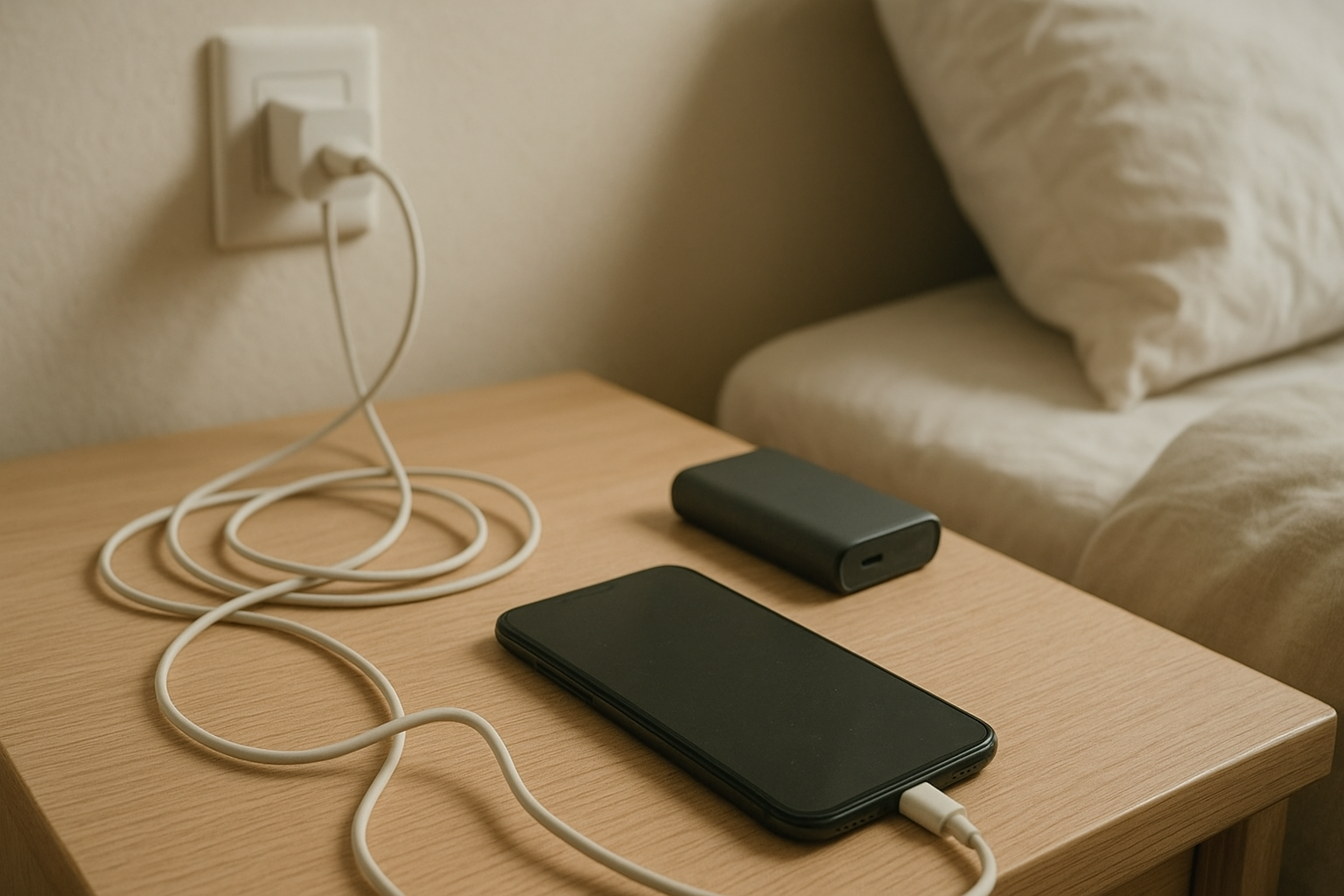
Late at night is another classic moment. You are tired, trying different chargers and cables around the house, moving from one outlet to another, hoping one combination suddenly works the way it should. It is not dramatic. It is just irritating in a very specific, stubborn way.
The worst part is when the phone technically is charging, but not enough to keep up with what you are doing. You are using it because you need it, but every minute on the screen seems to cancel out the power coming in. So the battery percentage rises painfully slowly, or not at all, and you are left wondering what the point of plugging it in was.
Why It Can Be Confusing
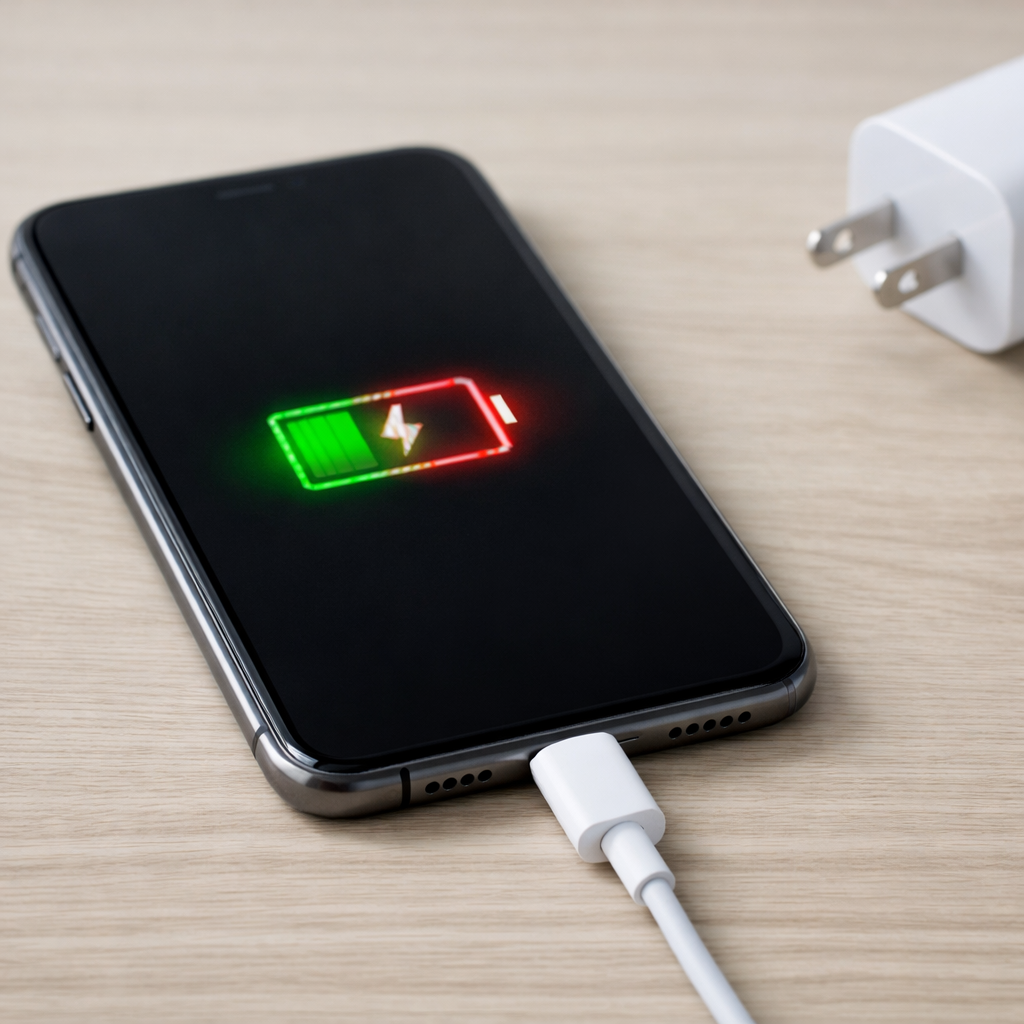
The confusing part is that charging problems rarely announce themselves clearly. A cable can be brand new and still not perform well. One setup charges decently in the living room, then seems weak in the bedroom, the car, or at work. The phone shows the charging symbol, which feels like confirmation that everything is fine, but real charging speed tells a different story.
That mismatch is what throws people off. You expect a yes-or-no answer. Either it is charging or it is not. But slow charging lives in that messy middle space where nothing seems fully broken. The cable works, just not well. The phone responds, just not fast enough. The battery increases, just not in a way that feels useful.
If you have been trying to make sense of that gap, this explanation of why a new cable can still charge slowly gets at the everyday reality of it. Not every cable is built the same, and not every charging setup gives the same result, even when it looks normal on the surface.
It is not completely broken. But it is not right either.
The Hidden Impact on Daily Use
This kind of problem sounds minor until it starts affecting everything around it. A phone that charges slowly changes how you plan your time. You stop trusting short charging windows. You start carrying a charger everywhere. You think twice before using battery-heavy apps when you are away from home. It adds friction to ordinary tasks that should be automatic by now.
That is why a small accessory can create outsized stress. Phones are not just phones anymore. They are boarding passes, navigation tools, cameras, payment devices, alarms, calendars, and backup plans. When charging becomes unreliable, your whole routine becomes less reliable too.
Trust in everyday tech is fragile. People do not need flashy features from a cable. They want it to work the same way every time. Quietly. Dependably. When that trust slips, even a cheap accessory starts to feel bigger than it should.
It sounds silly until you are the one watching 12 percent become 14 percent over what feels like forever.
When It’s Probably Nothing Serious
Sometimes the issue is more annoying than alarming. A new cable may simply be lower quality than expected, or less capable than the one it replaced. Charging can also seem slower if you are using the phone heavily while it is plugged in, if the outlet or adapter is weaker, or if the environment changes from place to place. A cable that feels fine for overnight charging may still disappoint during those urgent thirty-minute top-ups.
If your phone battery still lasts reasonably well day to day, and charging works normally with another cable or charger, that usually points away from a serious phone failure. In those cases, the phone is often not the main problem. The setup is.
When You Should Pay More Attention
If the phone gets unusually hot while charging, if the battery percentage drops even while plugged in during light use, or if charging is consistently slow no matter what cable, adapter, or outlet you try, it is worth looking more closely. The same goes for a charging port that feels loose, a battery that drains abnormally fast, or a phone that has become unpredictable in ways it never used to be.
You do not need to panic. But repeated inconsistency is a sign to stop blaming just the cable and consider the bigger picture. If a problem follows the phone across different setups, that is when concern starts to feel justified.
Simple Ways to Improve the Situation
The most helpful mindset is to treat charging as a combination, not a single item. The cable matters, but so do the adapter, the power source, the condition of the port, and how hard the phone is working while plugged in. If one part is weak, the whole experience can feel slow.
Using a better-made cable from a trusted brand often helps more than buying the cheapest replacement available. Matching it with a solid charger matters too. So does paying attention to whether a certain outlet, car charger, or power bank is part of the slowdown. Sometimes the fix is surprisingly simple once you stop assuming the newest cable must be the strongest link.
And yes, putting the phone down for a little while can make a noticeable difference. Not always convenient. But real.
Conclusion
A new cable is supposed to remove hassle, not create more of it. That is why slow charging after a fresh purchase feels so irritating. It is not just about power. It is about trust, timing, and the expectation that basic tech should do its job without becoming another thing to troubleshoot.
If your phone is charging slowly with a new cable, it does not automatically mean your phone is failing. Often it is a mismatch, a lower-quality accessory, or a charging setup that is weaker than it looks. Still, the stress it creates is real because daily life runs on small pockets of convenience, and charging problems steal those pockets fast.
Sometimes it is just a cable. Sometimes it is a warning. Either way, when your phone says charging but your day says otherwise, the frustration makes perfect sense.