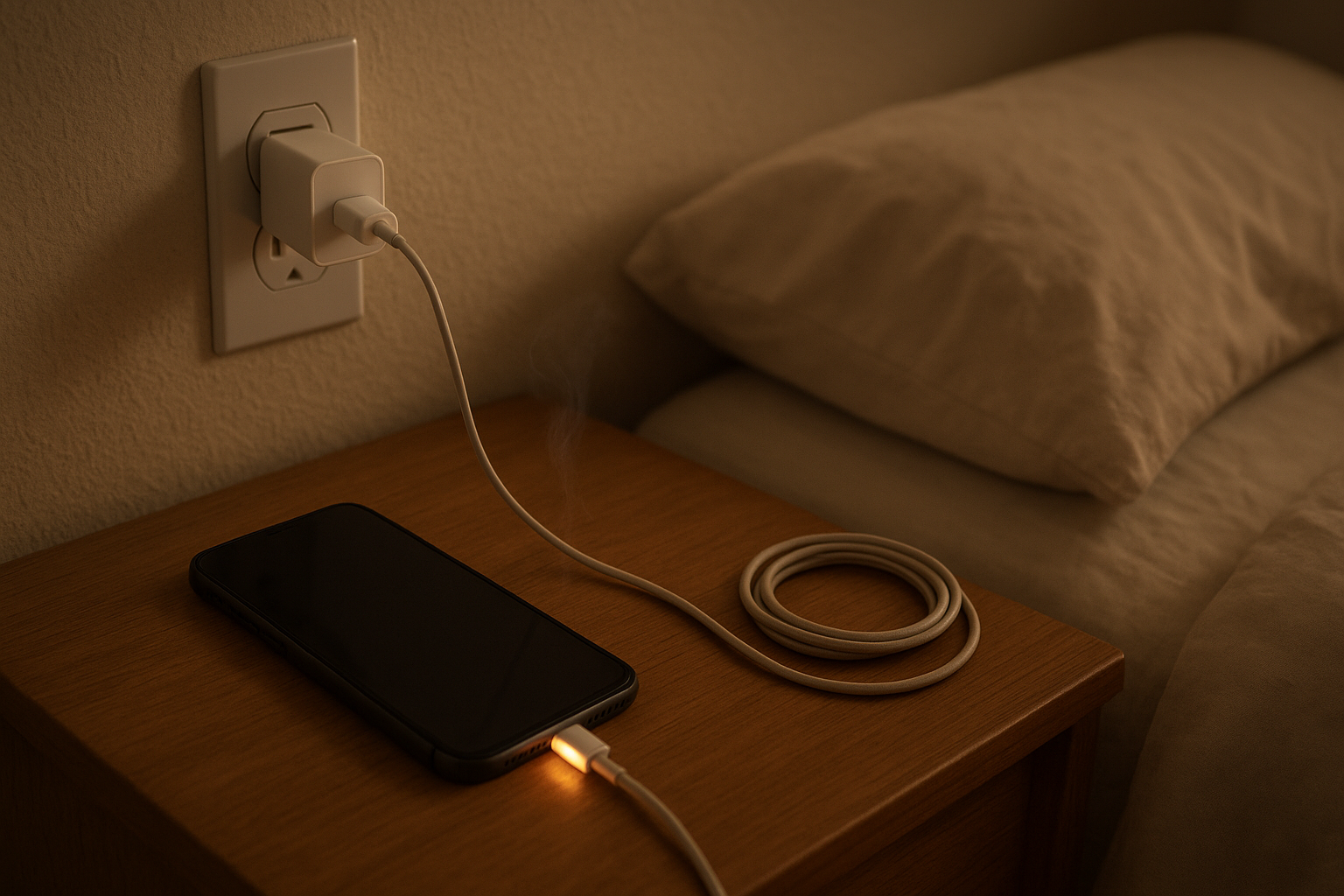
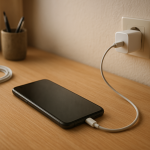
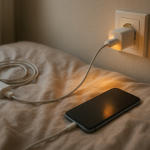
You plug in your phone before bed, glance at the battery percentage, and reach for the cable a few minutes later. It feels warm. Not burning hot, not shocking, just warmer than you expected. And once you notice it, it’s hard to ignore.
That small bit of heat can send your mind in two directions at once. Part of you thinks it is probably normal, especially if the phone is fast charging. The other part starts wondering whether this is how charging problems begin, with one quiet little warning sign you almost brushed off.
I have had that moment more than once. You want the battery to fill up quickly, but you also do not want to wake up to a dead phone, a damaged charger, or that vague regret that you should have replaced the cable sooner.
Why This Situation Feels So Frustrating
The annoying part is that charging warmth lives in that uncomfortable middle zone. It is not dramatic enough to feel like an obvious emergency, but it is not easy to dismiss either. Something feels off.
Most people are trying to balance convenience and caution at the same time. You want fast charging because your phone has become part alarm clock, part wallet, part work tool, part connection to everything else. But when the cable starts getting warm, speed suddenly feels less impressive. It starts feeling like a tradeoff.
Then there is the money question. A cable still works, mostly. Maybe it is a little older, maybe the outer jacket is slightly bent near the connector, maybe charging has gotten slower. Replacing it does not feel urgent until the warmth shows up. Now you are standing there thinking, should I keep using this familiar cable, or is saving a few bucks not worth the doubt?
That doubt gets tiring. You do not want to overreact. You also do not want to be careless.
What People Usually Notice First
A lot of the time, the first clue shows up during ordinary routines. You plug in your phone before bed, set it on the nightstand, and later notice the cable feels warmer near the plug than along the rest of the cord. It is subtle, but enough to make you pick it up again just to check.
Another common moment is using the phone while it charges. You are scrolling, answering messages, or watching a video, and your hand catches some heat where the cable meets the phone. That can feel more alarming because you are already holding the device, so every little temperature change feels personal and immediate.
Sometimes the warning sign is comparison. An older cable takes forever to charge, feels warmer, and seems less steady in the port. Then you try a newer one and everything feels cooler and more consistent. That is usually when people start admitting the issue may not be in their head after all.
And then there is the worst version: an odd smell during charging. Not always strong, sometimes just a faint plastic or electrical smell that makes you unplug everything and stare at it for a second. That kind of moment lingers. Even if nothing visible is wrong, it changes how much you trust that cable after that.
Why It Can Be Confusing
The hard part is figuring out what counts as normal. Charging creates heat. Fast charging especially can make the phone, power adapter, and cable feel warmer than they do during light use. A mildly warm cable is not unusual by itself.
But how warm is too warm? That is where people get stuck. Warm enough that you notice it is one thing. Hot enough that you do not want to keep holding it is another. The problem is that most of us do not have a perfect scale for this. We just have instinct, and instinct gets shaky when the device still seems to work.
It is also confusing when only one end of the cable feels hotter. If the heat is near the phone connector or near the charging brick, it can be hard to tell whether the cable itself is failing or whether the problem is actually the phone port, the adapter, or even the power source. That uncertainty is what keeps people second-guessing themselves.
If you have been trying to sort out that difference, this explanation of a warm charging cable lines up with what a lot of people actually experience in daily use.
It is not completely broken. But it is not right either.
The Hidden Impact on Daily Use
This kind of issue affects more than the cable. It changes how you use your device. Suddenly you are checking the charger instead of relaxing. You are waking up in the middle of the night wondering if you should unplug it. You are carrying a backup cable because you no longer trust the one in your bag.
That low-grade stress adds up. Phones and laptops are so tied to work, travel, schedules, and family communication that even a small charging problem can make the whole day feel less stable. If your cable seems questionable, every low-battery warning starts to feel more urgent.
Quiet anxiety is the real problem here. Not panic, exactly. Just that background feeling that something small could turn into something bigger at the worst time. A weak charge before work. A phone that dies during a trip. A charger you stop trusting but keep using anyway because it is there.
Small warning signs force quick judgment calls. Usually when you are tired.
When It’s Probably Nothing Serious
If the cable feels only mildly warm during charging, especially during fast charging, that can be normal. A little heat around the adapter or near the end of the cable does not automatically mean danger. The phone itself may also warm up if you are using it while it charges, running navigation, streaming video, or topping up from a very low battery.
If the cable looks intact, fits securely, charges consistently, and the warmth fades once the battery gets higher, that usually points to ordinary charging heat rather than a serious fault. Same if the temperature stays in the range where it feels noticeable but not uncomfortable.
That is the key difference. Noticeable is not always bad.
When You Should Pay More Attention
A cable deserves a closer look when the heat feels concentrated, excessive, or new. If one section becomes much hotter than the rest, if the connector feels almost too hot to touch, or if charging cuts in and out, that is a sign to stop treating it as harmless background behavior.
Visible wear matters too. Fraying, cracking, discoloration, bent connectors, or a loose fit in the phone port all make a warm cable more concerning. A strange smell during charging is another one of those moments you should not talk yourself out of. If you smell something odd, unplug it and take that seriously.
The same goes if the phone only charges properly when the cable sits at a certain angle, or if a once-reliable cable has started acting differently. Familiarity can make people ignore gradual changes. That is understandable. But changes are often the whole story.
Trust your reaction a little. If your first thought is that the cable feels hotter than usual, that observation matters.
Simple Ways to Improve the Situation
Sometimes the fix is not dramatic. Using a good-quality replacement cable, pairing it with a reliable power adapter, and avoiding heavy phone use while charging can reduce excess warmth right away. Keeping the charging port clean and making sure the connector fits properly can help too.
It also helps to notice patterns instead of one isolated moment. If the cable only warms during fast charging, that points one way. If it warms during basic charging no matter what, that points another. If a different cable stays cooler under the same conditions, that tells you something useful without turning the whole thing into a technical project.
And if a cable has started making you uneasy, replacing it is often the simplest way to buy back peace of mind. That may sound unexciting, but sometimes the best answer is the one that removes the doubt.
Convenience matters. So does feeling safe using the device you depend on every day.
Conclusion
A warm charging cable is not always a problem, but it should not be ignored just because the phone is still charging. Mild warmth can be normal. Strong heat, odd smells, worn connectors, and changing behavior are different.
The reason this issue feels so unsettling is that it asks for a judgment call before anything has clearly failed. You are trying to decide whether to trust what feels like a small sign. That is frustrating. But it is also smart to pay attention.
If the warmth feels ordinary and consistent, you are probably fine. If it feels sharper, newer, or harder to explain, it is worth slowing down and taking a closer look. Better to replace a cable a little early than keep wondering every night whether you should have done it sooner.
Sometimes that little bit of caution is the whole win.