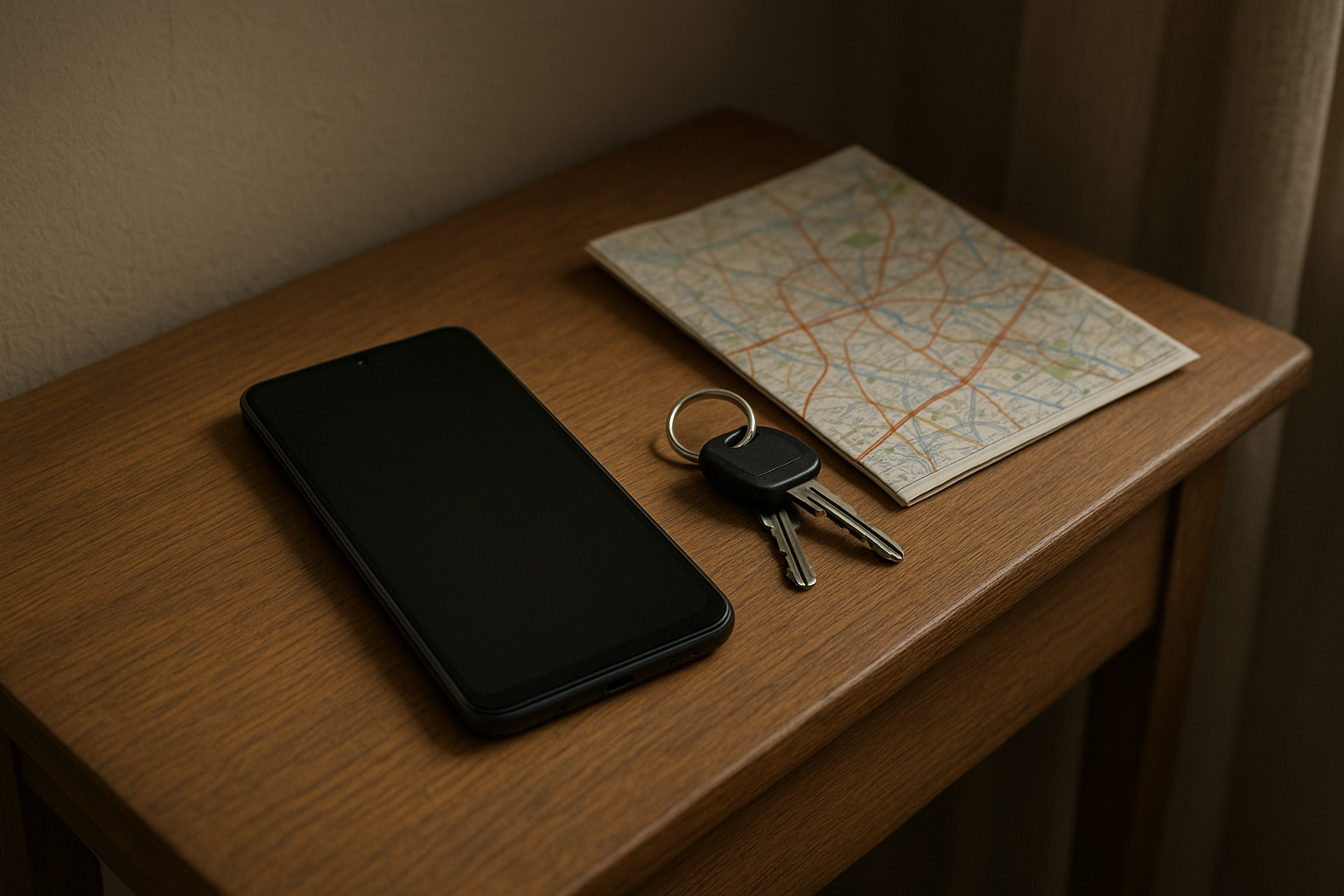
You check your phone before heading out, see 14%, and think that should be enough to get you home. Then halfway through using maps, the screen dims, the battery drops fast, and the phone shuts off like it was on 1% the whole time. That kind of shutdown feels worse than a normal dead battery because you thought you still had a little room left.
I have had this happen standing outside, trying to figure out the next turn, watching the phone go from low to gone in what felt like seconds. It changes the way you look at the battery icon. After that, even 20% starts to feel suspicious.
Something feels off.
Why This Situation Feels So Frustrating
The hardest part is not just that the phone dies. It is that the phone said it had power left. You trusted the number, made a quick decision based on it, and then got stranded anyway. That gap between what the phone promised and what it actually did is where the frustration comes from.
Phones are tied to everything now. Getting home, answering a call, pulling up a ticket, sending a message, checking in with someone. When the battery becomes unreliable, it creates this low-level stress that follows you around. You start planning around your phone instead of just using it.
And it always seems to happen at the worst moment. During a call you cannot cut short. In the middle of a video chat. Right when you open the camera because you actually need the photo. Not ideal.
If the phone is older, there is also that sinking feeling that it may be sliding into the category of devices you cannot fully depend on anymore. It still works. Mostly. But not in a way that feels steady.
What People Usually Notice First
For a lot of people, the first clue is the battery acting normal until the phone has to do something slightly heavier. Maybe it sits at 18% for a while, then you open maps outside and it suddenly drops to 9%, then 4%, then shuts off. Or it looks fine until you start a call, launch a game, or begin recording video.
That pattern catches people off guard because the phone can seem okay during lighter use. You might be checking messages or scrolling for a few minutes with no drama. Then one task asks for more power and the battery level stops looking believable.
Older phones often make this more obvious on the ride home or during a commute. You think there is enough charge left to get through one last hour, but once the screen stays on, brightness goes up, and the signal shifts around, the phone gives up early. That is usually when people start asking if this is normal aging or the start of a bigger problem.
Why It Can Be Confusing
The confusing part is simple: if the phone says 12%, why is it behaving like zero? Most people assume the number on screen is an exact measurement. In real life, it is closer to an estimate based on how the battery has been performing. When the battery is healthy, that estimate is usually close enough. When the battery has aged, the estimate can get shaky, especially near the bottom.
It also explains why the problem shows up more in some moments than others. A phone that is barely hanging on might survive low-effort use but fail during anything that asks for a quick burst of power. That is why the drop can feel sudden and random even when it is not.
Still, when you are living with it day to day, it does feel mysterious. One day 15% lasts twenty minutes. Another day 15% lasts two. That is what makes people wonder whether they should keep using the phone, carry a charger everywhere, or just accept that the battery is done.
The Hidden Impact on Daily Use
An unreliable battery affects more than convenience. It chips away at productivity in small ways that add up. You stop using your phone freely when you are out. You hesitate before opening a navigation app. You avoid long calls. You skip taking photos because you are saving what little charge is left for something more important.
That constant battery math gets tiring. You end up checking the percentage over and over, dimming the screen, closing apps, turning features off, and still feeling like the phone could die anyway. Trying to save battery and watching it fail anyway is its own kind of annoyance.
There is also the safety side of it, which people do not always talk about enough. When your phone is how you get directions, contact someone, request a ride, or let family know where you are, a battery meter you cannot trust creates real unease. It is a small device problem that can suddenly feel much bigger.
And once you notice it, it is hard to ignore.
When It’s Probably Nothing Serious
Sometimes this behavior is just the result of a battery that has aged in a pretty normal way. If the phone is a few years old, and the shutdowns mostly happen when the battery is already low, that usually points to wear rather than some dramatic failure. The phone may still work fine when charged above the halfway mark and may not show any other signs of trouble.
It can also happen more often in cold weather, during heavy use, or after long stretches where the phone has been charged in a way that slowly wore the battery down over time. None of that is unusual. Annoying, yes. But not necessarily a sign that the whole phone is falling apart.
Sometimes the battery meter just becomes less believable near the end. That is frustrating, but it does not always mean the device is unsafe or on the verge of total failure.
When You Should Pay More Attention
If the phone is shutting off at 20% or 30%, restarting with a different battery reading, getting unusually warm, or dropping fast even when you are not doing much, it is worth paying closer attention. Those patterns suggest the battery is no longer just a little inconsistent. It may be genuinely worn out.
The same goes for a phone that suddenly became unreliable after being steady for a long time. Gradual battery aging is one thing. A sharp change is another. If the phone can no longer make it through basic daily use without these surprise shutdowns, that is usually your sign that it needs more than wishful thinking.
It is not completely broken. But it is not right either.
Simple Ways to Improve the Situation
If you are trying to get a little more life out of the phone before deciding what to do, the most helpful mindset is to stop treating the last 15% as dependable time. Think of it as a warning zone instead of usable reserve. That shift alone can prevent a lot of bad surprises.
Keeping brightness reasonable, avoiding power-hungry tasks when the battery is already low, and charging a bit earlier can make the phone feel more predictable. A portable charger also helps, not because it fixes the battery, but because it gives you a backup plan when trust is already shaky.
If the phone is older and otherwise still good, a battery replacement can make a huge difference. Not always, but often. Sometimes the device does not need to be replaced at all. It just needs a battery that can hold up under normal use again.
That is usually the real question: is the phone still useful enough to keep, or has the battery made daily use too stressful? Only you can answer that, but if you are planning your day around surprise shutdowns, the battery is already affecting more than just power.
Conclusion
A phone dying at 8% or 12% is such a specific kind of aggravation because it breaks trust. The number is right there. You believe it. Then the phone lets you down when you actually need it. For something we rely on so heavily, that feels personal fast.
The good news is that this problem is often understandable, even if it is annoying. It usually comes down to a battery that no longer behaves consistently at low charge, especially in an older phone or during heavier tasks. Once you see that pattern, the situation feels less random.
Still frustrating, though.
If your phone has started doing this once in a while, you can probably work around it for now. If it keeps happening, especially earlier and earlier, it is worth taking seriously. A battery you cannot trust changes the whole experience of using the phone, and that is usually the clearest sign that something needs attention.