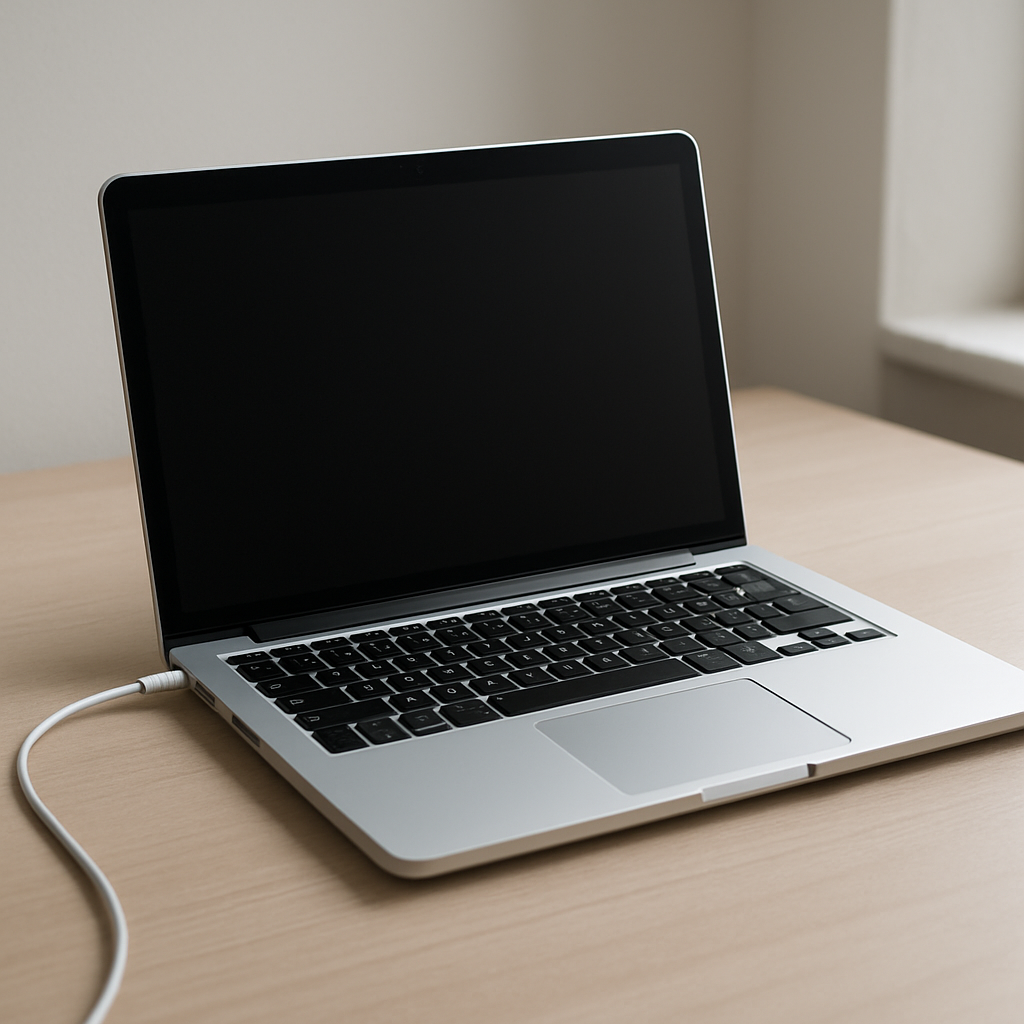
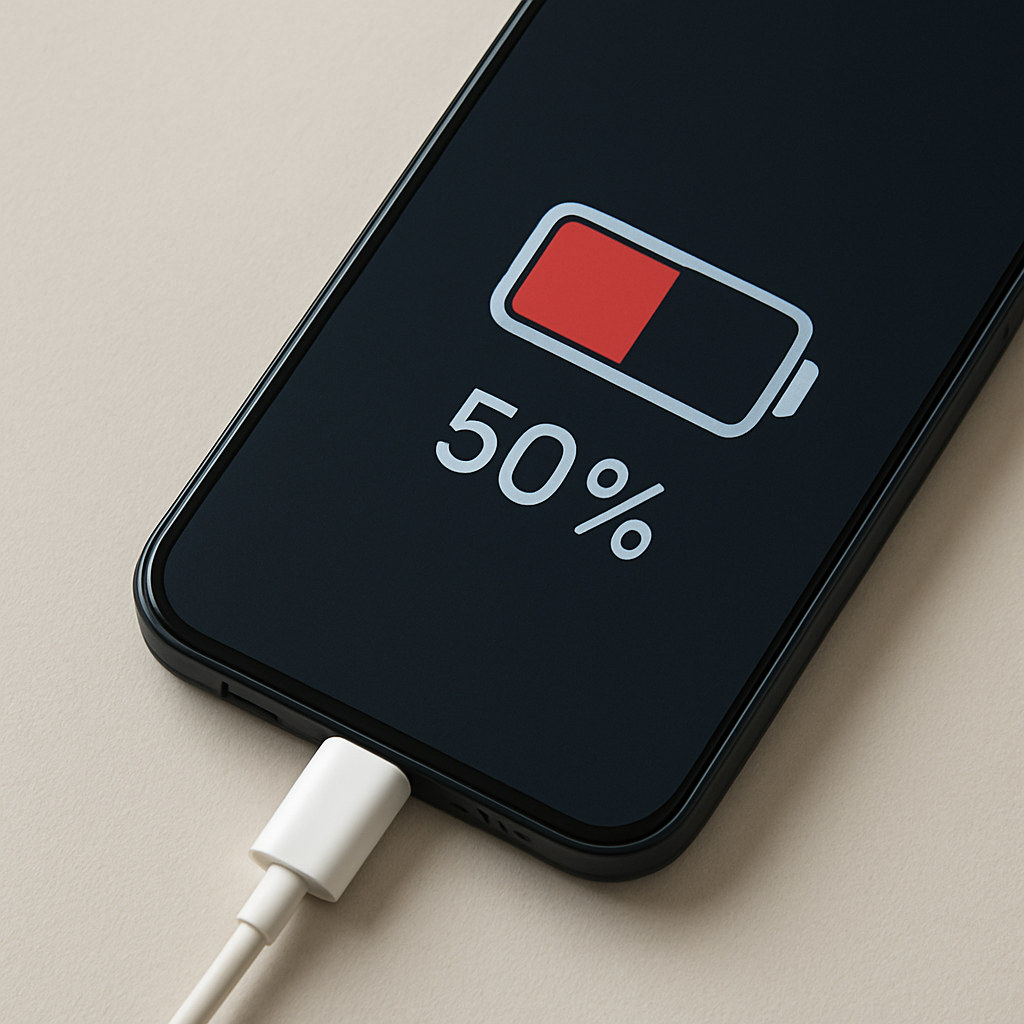
If your laptop charging stops at 80%, the most common reason is a built-in battery protection feature, often called a charge limit, conservation mode, battery health mode, or smart charging. Many laptops intentionally stop charging around 60% to 80% to reduce battery wear, especially when they are plugged in most of the day.
This can be confusing because the laptop may look like it is stuck, even though it is actually following a battery protection setting. In many cases, nothing is broken. The system is simply limiting the maximum charge to help the battery last longer over time.
Still, an 80% charging limit is not always intentional. It can also be caused by heat, battery management software, a BIOS or firmware setting, charger issues, USB-C power delivery problems, battery wear, or inaccurate battery reporting.
Not sure where to start? Use the Battery Help Center if you are unsure whether your issue is battery health, charging limits, charging problems, overheating, or battery drain.
Quick Answer
If your laptop stops charging at 80%, first check for a battery charge limit or conservation mode in your laptop manufacturer’s app, battery settings, or BIOS/UEFI. If a limit is enabled, the laptop is probably working as designed.
If no limit is enabled, check heat, charger wattage, USB-C cable compatibility, battery health, and whether the issue began after a driver, firmware, or system update.
Quick Diagnosis Table
Symptom
Most Likely Cause
Best First Check
Stops at 80% every time
Charge limit or battery conservation mode
Check manufacturer battery app or BIOS settings
Started after an update
Power management setting, driver, firmware, or vendor utility change
Review battery settings and manufacturer software
Battery drains quickly even at 80%
Battery wear or reduced capacity
Check battery health and full charge capacity
Stops at 80% only when hot or under load
Thermal protection or power management
Let the laptop cool and test while idle
Charging is inconsistent with USB-C
USB-C charger, cable, or power delivery issue
Test original charger or correct wattage adapter
Why Laptops Stop Charging at 80%
Lithium-ion batteries age faster when they spend a long time at high charge levels, especially in warm conditions. To reduce that wear, many laptop makers include battery protection modes that stop charging before 100%.
If you use your laptop mostly plugged in, an 80% cap can actually be helpful. It keeps the battery away from sitting at full charge all day, which may reduce long-term stress.
That is why a laptop stopping at 80% is often not a malfunction. The laptop may be trying to protect the battery, not telling you that charging has failed.
Most Common Causes
Battery Conservation Mode Is Enabled
Many laptops have a setting that limits charging to around 60%, 80%, or 85%. Depending on the brand, it may be called conservation mode, battery health charging, smart charging, adaptive charging, optimized charging, or custom charge threshold.
If this setting is enabled, the laptop will stop charging at the selected limit even if it remains plugged in.
Manufacturer Battery Software Changed Settings
Some laptops use brand-specific utilities to control battery charging. A software update, driver update, or firmware update may enable or reset a charging threshold without making it obvious.
If the issue started after an update, open the manufacturer battery utility and check whether a charge limit has been enabled.
BIOS or UEFI Charge Limit Is Enabled
On some laptops, battery charge limits are stored in BIOS or UEFI settings. That means the limit can stay active even if you reinstall Windows or remove a vendor app.
If you cannot find the setting in the operating system, check your laptop’s BIOS or firmware settings if you are comfortable doing so.
Battery Wear or Reduced Capacity
An older laptop battery may still charge to 80%, but that 80% may not last as long as it used to. This can make the battery feel like it is not charging properly, even when the charging limit itself is normal.
Battery wear is more likely if runtime is poor, the laptop shuts down early, the percentage drops quickly, or battery health tools show reduced full charge capacity.
Heat or Heavy Load
If the laptop is hot or running demanding tasks, it may pause or slow charging to control temperature. Gaming, video rendering, poor ventilation, dust buildup, or charging on a soft surface can all increase heat.
If charging continues past 80% after the laptop cools down, temperature was probably part of the issue.
Charger, Cable, or USB-C Power Delivery Issue
A weak charger, wrong wattage adapter, damaged cable, or unstable USB-C power delivery can cause charging plateaus or inconsistent charging behavior.
This is more likely if the laptop sometimes shows “plugged in, not charging,” charges only with certain adapters, or stops charging under load.
How to Check the Problem Safely
Check manufacturer battery settings: look for charge limit, conservation mode, smart charging, or battery health options.
Check BIOS or UEFI: some laptops store charge limits at firmware level.
Watch the pattern: if it stops exactly at 80% every time, a charge limit is likely.
Test the original charger: especially for USB-C laptops that need specific wattage.
Check battery health: compare full charge capacity with design capacity if your system shows it.
Check temperature: test charging while the laptop is cool and idle.
If the laptop runs normally on AC power and simply stays around 80%, the issue is often an intentional battery limit rather than a charging failure.
How to Fix a Laptop That Stops Charging at 80%
Disable or Adjust the Charge Limit
If you want the laptop to charge to 100%, look for the battery protection or charge limit setting and change it. This is usually the direct fix when the laptop is intentionally stopping at 80%.
Only disable it if you actually need the extra battery capacity. If the laptop stays plugged in most of the time, keeping an 80% limit can be a reasonable long-term choice.
Check Manufacturer Battery Software
Look for the battery utility from your laptop maker. Depending on the brand, the setting may appear inside a support app, system control app, power management tool, or battery health section.
Common wording includes conservation mode, battery health charging, smart charging, adaptive charging, optimized charging, and charge threshold.
Check BIOS or UEFI Settings
If you cannot find the charge limit in the operating system, restart the laptop and check BIOS or UEFI settings if you are comfortable doing so. Some laptops keep battery care features there.
Do not change unrelated firmware settings unless you know what they do.
Let the Laptop Cool Down
If the laptop is warm, charging may pause or slow down. Close heavy apps, improve airflow, move the laptop to a hard surface, and let it cool before testing again.
Do not charge on beds, blankets, or soft surfaces.
Keep vents clear.
Stop heavy gaming, rendering, or updates during the test.
Use the laptop in a cooler environment if possible.
Test the Correct Charger
Use the original charger or a charger that matches your laptop’s power requirement. USB-C laptops can be especially sensitive to charger wattage and cable quality.
If the laptop charges normally with the correct charger but not with another adapter, the charger or cable was likely limiting the charging behavior.
Check Battery Health
If the laptop is older and runtime has become poor, check battery health. A worn battery may not behave as predictably as before, even if the 80% limit is controlled by software.
Stopping at 80% is probably normal if the laptop stops at the same percentage every time, runs normally while plugged in, does not overheat, and has a battery conservation or charge limit setting enabled.
In that case, the laptop is usually protecting battery lifespan. You can turn the limit off when you need full capacity, then turn it back on for everyday plugged-in use.
When to Be More Concerned
A laptop stopping at 80% deserves more attention if it comes with other symptoms. These signs may point to battery wear, charging instability, port problems, or hardware issues.
The battery is swollen or the laptop casing starts separating.
The laptop becomes unusually hot while charging.
The laptop shuts down suddenly at moderate battery percentages.
The charging port feels loose or charging depends on cable angle.
“Plugged in, not charging” appears with multiple chargers.
The battery percentage jumps around without realistic usage.
Battery health tools report very low full charge capacity.
If you notice swelling, burning smells, strong heat, liquid damage, sparks, or physical damage, stop using questionable chargers or cables and consider getting the laptop checked by a qualified repair professional.
How to Prevent Confusing Charging Limits
Use an 80% charge limit when the laptop stays plugged in most days.
Disable the limit temporarily before travel if you need full battery capacity.
Keep vents clear and avoid charging on soft surfaces.
Use the correct wattage charger and a reliable cable.
Check battery settings after major updates.
Keep manufacturer battery utilities and firmware reasonably up to date.
Avoid storing the laptop at 100% charge in a hot environment for long periods.
FAQ
Is it bad to charge my laptop to 100%?
Charging to 100% occasionally is normal, especially before travel. The concern is leaving the battery at 100% for long periods in warm conditions. That is why many laptops offer an 80% limit for everyday plugged-in use.
Why did my laptop start stopping at 80% after an update?
An update may change power settings, reinstall manufacturer battery software, or reset a charge limit. Check the battery utility and BIOS or UEFI settings for conservation mode, smart charging, or charge threshold options.
Does stopping at 80% mean my battery is worn out?
Not usually. A consistent stop at 80% often means a charge limit is enabled. Battery wear is more likely if runtime is poor, the laptop shuts down early, or battery health tools show reduced capacity.
Can a charger cause a laptop to stop at 80%?
Yes, especially if the charger is underpowered, damaged, or not negotiating power correctly over USB-C. If the issue happens only with one charger, test the original or correct wattage adapter.
Should I turn off the 80% charging limit?
Turn it off if you need maximum battery runtime, such as before travel. If the laptop stays plugged in most of the time, keeping the limit enabled can help reduce long-term battery wear.
A laptop that stops charging at 80% is usually following a battery protection setting, charge limit, conservation mode, or smart charging feature. This is often normal and can help reduce long-term battery wear, especially if you use the laptop plugged in most of the time.
If no charge limit is enabled, check heat, charger wattage, USB-C cable compatibility, battery health, and recent software or firmware changes. For a broader troubleshooting path, start with the Battery Help Center or read the full Battery Health & Charging Limits Troubleshooting guide.
Mark Reynolds writes practical battery and charging guides for Power & Battery Guide, focusing on clear explanations, realistic first checks, and safe troubleshooting before replacing batteries, chargers, or devices.