Laptop Battery Not Charging Fully? Causes and Fixes
Quick Answer
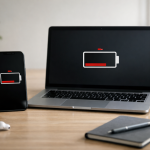
A laptop battery that stops charging at 80%, 90%, or 95% is often normal and caused by built-in battery protection settings that limit the maximum charge to reduce wear. If it used to reach 100% and suddenly won’t, the most common culprits are a weak charger/cable, battery wear, or a battery “reading” (calibration) that’s out of sync with the real charge.
In many laptops, a charge cap can start new after an update or when the system detects heat, heavy use, or long periods plugged in. If you disable a charge limit and the laptop still won’t go beyond a certain number for several hours, it’s more likely a charging problem than normal behavior.
If you need a fast fix
- Restart the laptop, then unplug and replug the charger firmly (try a different wall outlet if possible).
- Check for a battery charge limit setting in your laptop’s battery utility/BIOS and temporarily set it to 100%.
- Let the laptop cool down, then charge with the lid open and light usage for 20–30 minutes.
Quick Diagnosis Table
| Symptom | Most likely cause |
|---|---|
| Stops at 80% every time and stays there | Battery protection / “Conservation” or “Charge limit” mode enabled |
| Stops at 95–99% and slowly reaches 100% later | Normal top-off behavior or temperature-based charging control |
| Won’t go past a number and also discharges while plugged in | Underpowered/worn charger, damaged cable, or wrong USB-C/adapter wattage |
| Jumps from 30% to 80% quickly or the percent seems “stuck” | Battery calibration/reading error or aging battery cells |
| Charges only when laptop is off or asleep | Power draw exceeds charger capacity, high-performance mode, or port/cable limits |
Why This Happens
Modern laptops don’t always charge in a straight line to 100%. To protect the battery, the system may stop early (like 80%) or hold at a high level (like 95–99%) to reduce heat and stress.
For example, many work laptops are designed to stay plugged in all day and intentionally avoid sitting at 100% constantly. Other times, a USB-C charger that looks fine may not deliver enough wattage under load, so the laptop can’t both run the system and finish charging.
When the charger can’t supply enough power or the battery is worn, the laptop may stop at a certain percentage, take an unusually long time to “top off,” or show incorrect percentages that don’t match real battery capacity.
Most Common Causes (Ranked)
- 1) Battery charge limit (battery protection mode): Many brands include “Conservation,” “Smart Charging,” or “Battery Health” modes that cap charging at 60–80% to extend lifespan.
- 2) Normal charging behavior near full: Charging slows down dramatically from about 90% to 100% to prevent overheating and overvoltage stress.
- 3) Underpowered charger or non-original adapter: A lower-wattage charger (especially USB-C) may run the laptop but not leave enough power to fully charge, particularly during gaming or video calls.
- 4) Battery wear (reduced capacity): As batteries age, they may hit voltage limits early, heat up faster, or struggle to reach and hold a true “full” charge.
- 5) Temperature throttling: Heat from the CPU/GPU, a warm room, or poor airflow can make charging pause or stop short until the battery cools.
- 6) Calibration/firmware/driver mismatch: After updates or long periods without full cycles, the percentage shown can drift from the battery’s actual state, making it look like it won’t charge further.
If the maximum charge slowly increases after cooling down, switching chargers, or changing a charge limit setting, that usually indicates normal protective behavior rather than a sudden hardware failure.
How to Check the Problem Safely
- Check 1: Look for a charge limit setting. In Windows, check your manufacturer app (Lenovo Vantage, Dell Power Manager, HP Support Assistant, ASUS MyASUS, Acer Care Center) or BIOS/UEFI battery settings.
- Check 2: Confirm the charger wattage. Compare the charger’s watt rating to your laptop’s required wattage (often printed on the bottom of the laptop or in the manual).
- Check 3: Inspect the cable and port. Look for a loose connector, frayed cable, bent pins, or a USB-C port that feels wobbly or only charges at certain angles.
- Check 4: Test charging with low power draw. Close heavy apps, set power mode to balanced, lower screen brightness, and see if the battery percentage climbs beyond the usual stopping point.
- Check 5: Check battery health info. On Windows, run a battery report; on macOS, check Battery Health in System Settings. Compare “Full Charge Capacity” to the original design capacity if available.
If you notice heat, swelling, burning smells, or crackling sounds, stop charging and shut the laptop down.
How to Fix It
- Fix 1 (easiest): Disable or adjust the charge limit setting (temporarily set max to 100%). This directly resolves intentional 80% or 60% caps.
- Fix 2: Use the correct charger and cable (right wattage and quality). This ensures the laptop has enough power to run and charge at the same time.
- Fix 3: Cool the laptop and improve airflow. Charge on a hard surface, clean blocked vents, and avoid charging in hot environments so the system doesn’t pause charging for safety.
- Fix 4: Recalibrate the battery reading. Charge to 100% (or as high as it will go), use it down to around 10–15%, then charge back up in one uninterrupted session; this helps the percentage display match reality.
- Fix 5 (advanced/last resort): Update BIOS/firmware and battery/power drivers, then retest. Firmware controls charging behavior, and updates can fix incorrect stopping points or adapter recognition issues.
Signs of Battery or Hardware Damage
- Battery swelling (trackpad lifting, case bulging, keyboard warping) or the laptop no longer sits flat.
- Strong chemical or burning smell, unusual heat at the battery area, or sizzling/crackling while charging.
- Battery drops from a high percentage to low suddenly (for example 60% to 10% within minutes).
- Laptop shuts off unexpectedly even though it shows plenty of charge.
- Charger only works if the cable is held at a certain angle, or the port feels loose.
- Charging light flickers, or the laptop repeatedly switches between “plugged in” and “on battery.”
- Battery report/health shows very low full-charge capacity (for example below 60–70% of design) or “Service recommended.”
When Repair Is No Longer Worth It
If the battery is swollen, the charging port is damaged, or the laptop only charges intermittently, repair is usually the right move for safety and reliability. For older laptops with multiple issues (battery plus charger plus port), replacement can be more cost-effective than stacking repairs.
As a rule of thumb, if the total repair estimate approaches 30–50% of the laptop’s current value, consider replacing the device. If the laptop is otherwise in good shape and the battery is easily replaceable, a battery swap is often a practical upgrade that restores normal charging behavior.
How to Prevent This Problem in the Future
- Use the correct wattage charger and a reputable cable, especially for USB-C charging.
- If you stay plugged in most of the time, enable a charge limit (like 80%) to reduce long-term battery wear.
- Avoid charging on soft surfaces that trap heat; keep vents clear and periodically remove dust buildup.
- Don’t store the laptop at 100% for weeks unused; store it around 40–60% in a cool, dry place.
- Run a full charge/discharge cycle occasionally (every 1–3 months) to help keep the battery percentage reading accurate.
- Install BIOS and manufacturer power-management updates when available, since they control charging behavior.
- Unplug and stop using the battery immediately if you notice swelling or unusual odors, and arrange service.
FAQ
Is it bad if my laptop only charges to 80%?
No, it’s often a feature. Many laptops cap charging at 80% to reduce battery stress and extend lifespan. If you need maximum runtime for travel, switch the setting back to 100% before you go.
Why does my laptop stop at 99% and never hit 100%?
This is usually normal “top-off” behavior and can depend on temperature and how the laptop measures full capacity. It may reach 100% after more time, or it may float slightly below full to protect the battery. If it also drains while plugged in, suspect the charger wattage or cable/port issues.
How do I know if it’s the charger or the battery?
If the laptop charges normally with a known-good, correct-wattage charger, the original charger/cable is the problem. If it still stops early, charges inconsistently, or the battery percentage behaves erratically across chargers, the battery is likely worn or miscalibrated. Battery health reports can help confirm reduced capacity.
For a full overview of this issue and step-by-step solutions, read the complete troubleshooting guide.