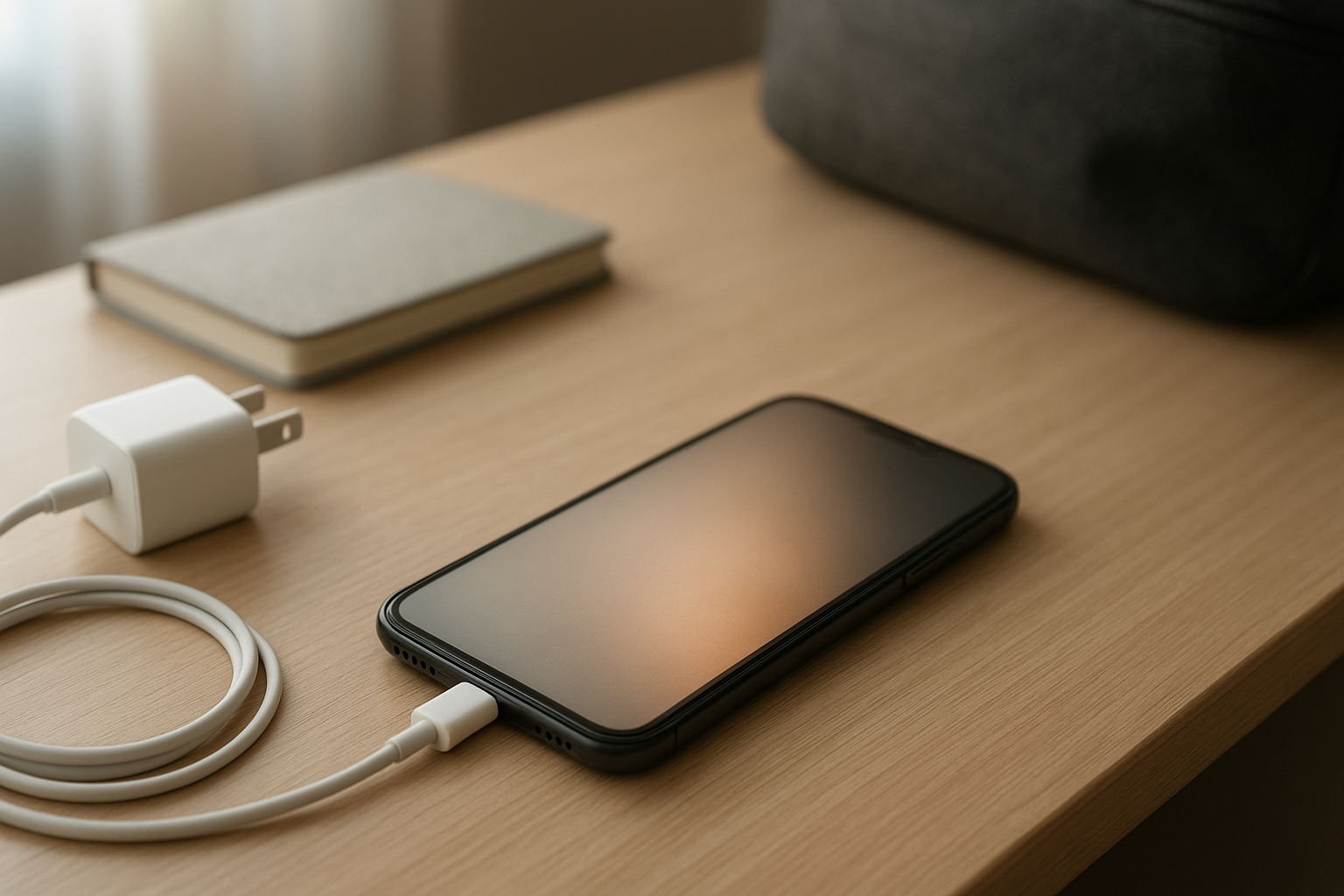
You do a factory reset because you want the phone to feel normal again. Faster. Cleaner. Less weird. Then an hour later, the battery is dropping like crazy, the phone feels warm in your hand, and suddenly the fresh start feels like a mistake.
That’s the part nobody really prepares you for. You spend the time backing things up, signing back in, downloading apps again, fixing settings, and hoping the reset will solve the battery problem or at least calm the phone down. Instead, it can look worse right away.
It’s a bad feeling. Especially if you reset it right before work travel, before school, or on a week when you really need your phone to be steady.
Why This Situation Feels So Frustrating
A reset is supposed to feel like control. Like you did the big fix. You cleared out the mess, started over, and gave the device a real chance to behave itself. So when the battery seems to drain even faster after that, it creates a special kind of frustration.
Part of it is practical. You need the phone to last through a commute, a workday, a long afternoon on campus, or just basic life. Calls, maps, messages, payment apps, two-factor codes. The device is not a side thing anymore. It’s the thing you depend on all day.
And part of it is emotional, honestly. You try to stay calm while the percentage keeps falling, but every time you check it, you feel more annoyed. You already put effort into the reset. You wanted relief. Instead you’re left wondering if the phone is actually getting worse.
Something feels off.
What People Usually Notice First
The first signs are usually small, then suddenly not small at all. You finish setup, start reinstalling your apps, and the battery drops much faster than you expected. Ten percent gone. Then more. The screen has barely been off because you’re still signing in, restoring photos, and waiting for everything to come back.
If it happens before a trip or a long day, the stress hits harder. You might plug it in during setup, unplug it at 100%, and then watch it slide down so quickly that you start checking every few minutes. Once that starts, it’s hard to stop looking.
Some people notice the warmth before the battery drop really sinks in. The phone doesn’t feel dangerously hot, but warm enough that it keeps pulling your attention back. You hold it, lock it, put it down, pick it up again. You’re trying to decide whether this is normal reset behavior or the start of a bigger problem.
And once you notice it, it’s hard to ignore.
Why It Can Be Confusing
The confusing part is that a factory reset sounds like a deep clean. So if the battery gets worse right after, your first reaction is usually: how is that even possible?
One reason is that the phone is doing more work than it seems. After a reset, it may be restoring accounts, downloading updates, indexing photos, reconnecting cloud services, setting up apps, and relearning background behavior. That can create a short period where power use is unusually heavy. It can look dramatic, especially on the first day.
But that answer doesn’t always feel complete, because sometimes the drain seems too aggressive to brush off. That’s where the doubt starts. Is this just temporary software stress, or is the battery itself getting old? Is the reset exposing a problem that was already there?
If you want a grounded explanation of why battery drain can happen after a reset, it helps to remember that the reset changes the phone’s state, not the age of the hardware. A worn battery is still a worn battery. The reset can remove software clutter, but it cannot make an older battery young again.
It’s not completely broken. But it’s not right either.
The Hidden Impact on Daily Use
Fast battery drain is not just a number issue. It changes how you use the phone. You stop trusting it. You leave with less confidence. You bring a charger everywhere, not as a backup but as a necessity. That shift matters more than people admit.
Productivity takes a hit in quiet ways. You spend extra time checking battery percentage, closing apps, lowering brightness, or looking for outlets. If the phone feels unstable, your attention gets split all day. Even simple tasks take on this little layer of stress.
There’s also the dependence part. We rely on these devices so casually that we don’t notice it until reliability disappears. Then every drop in battery feels bigger than it should. It’s not just about power. It’s about trust. When that trust gets shaky, the device starts feeling less like a tool and more like a problem you have to manage.
That’s what makes a failed-feeling reset so disappointing. You were hoping for a reset in your own stress too, not just the phone’s.
When It’s Probably Nothing Serious
If the drain happens mainly during the first several hours after setup, while apps are downloading and updates are flying in, there’s a good chance the phone is simply under heavy temporary load. The same goes for mild warmth during restore activity. A freshly reset device often works hard before it settles down.
If battery life starts improving by the next day or two, that’s usually reassuring. Not perfect, maybe, but better. The phone should begin to act more normally once the background setup work finishes and your everyday use returns to a regular pattern.
This is especially true if the battery was decent before the reset and the phone is not very old. In that case, a rough first day does not automatically mean something serious has gone wrong.
Sometimes it just needs to settle.
When You Should Pay More Attention
If the battery drain stays severe for several days, or the phone keeps getting warm even when you’re not actively setting things up, that deserves a closer look. The same is true if standby drain is bad overnight, charging becomes erratic, or the phone shuts down at percentages that should still be safe.
An older device deserves extra honesty here. If the phone was already a few years into daily use, the reset may simply be making battery aging easier to notice. The software cleanup removes some noise, but the physical battery still has its own limits. If those limits are showing up more clearly now, the reset didn’t create the problem. It may have just failed to hide it.
That can be disappointing. But it’s useful information.
Simple Ways to Improve the Situation
The best approach is usually the calm one. Give the device a little time to finish restoring and syncing before judging it too hard. Keep expectations realistic during that setup window, because it is one of the heaviest periods of use a phone can go through.
It also helps to watch the pattern instead of reacting to every drop. Is the battery falling only while the screen is on and apps are installing, or is it draining badly even when the phone is sitting still? That difference tells you a lot.
Keeping software updated can help, and so can reducing unnecessary background activity for a while if the phone still seems stressed. If the battery health is already poor or the device is older, it may be worth considering that this is a hardware issue showing through, not a reset mistake.
You don’t need to panic. But you also don’t need to pretend it’s fine if it clearly isn’t.
Conclusion
A factory reset can feel like the big reset button for your own patience too. You expect the phone to come back cleaner, steadier, easier to trust. So when the battery starts falling even faster right after, it feels backward and unfair.
The good news is that this is often temporary, especially during the first day of setup and syncing. The harder truth is that sometimes a reset reveals the limits of an aging battery instead of fixing them. Both things can be true, and telling the difference usually takes a little time.
That waiting period is annoying. No point pretending otherwise.
But if you pay attention to the pattern instead of the panic, the picture usually gets clearer. And once it does, you can decide whether the phone just needs to settle down or whether it’s finally asking for something more than a fresh start.