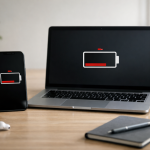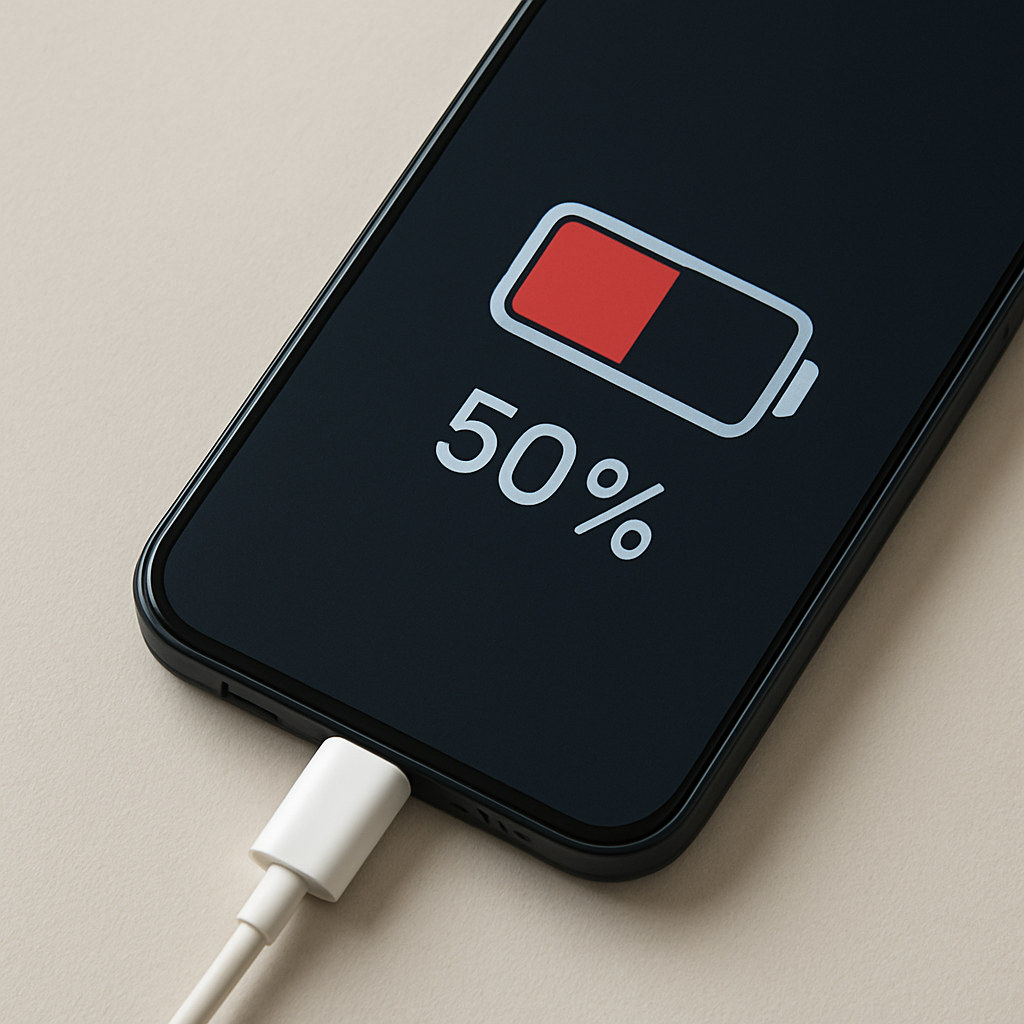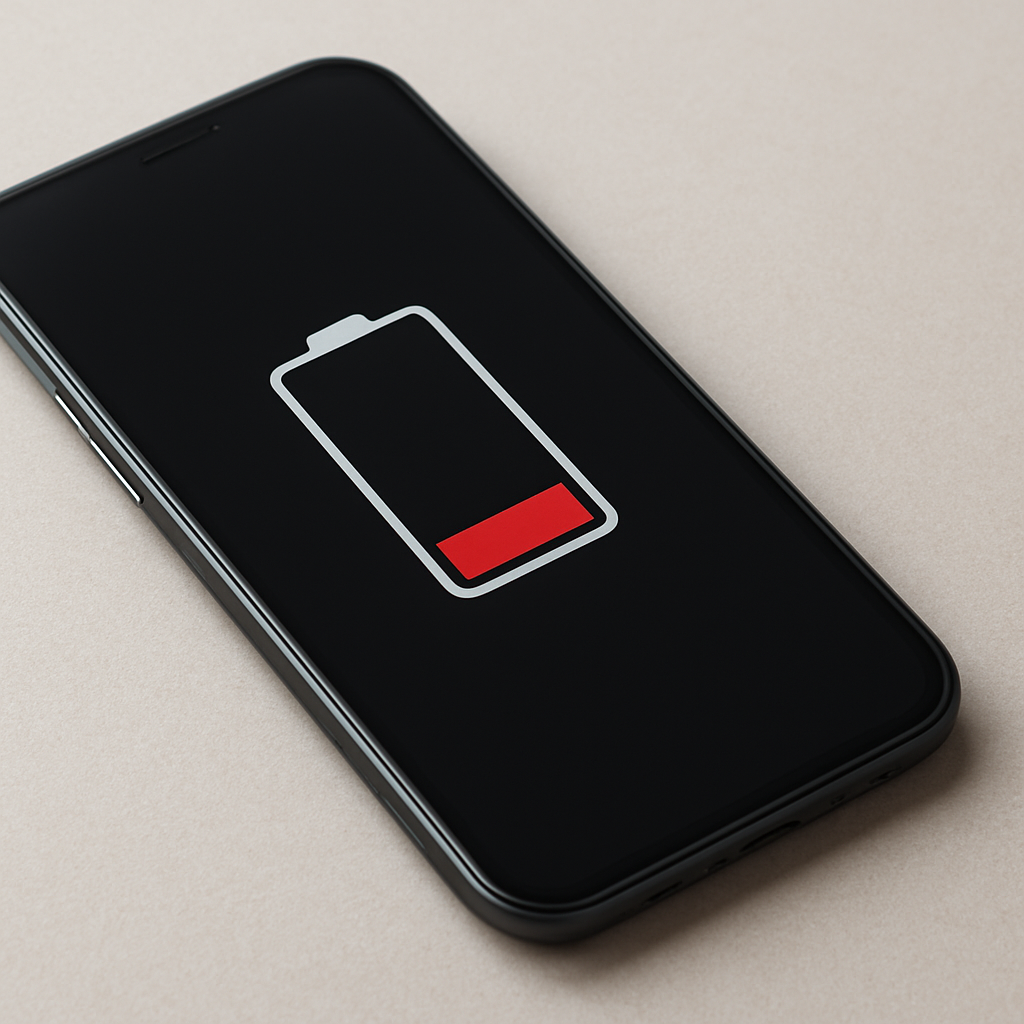
Laptop Battery Drains While Plugged In? Causes and Fixes
Quick Answer
If your laptop battery drains while plugged in, the most common reason is that the charger (or USB-C power source) can’t supply enough wattage for what the laptop is doing. Under heavy CPU/GPU load, the laptop may pull extra power from the battery to “help” the adapter, so the battery percentage drops even though it’s connected.
This usually shows up during gaming, video editing, large downloads, or while using a dock and multiple peripherals. A small drop (for example 100% to 95% over an hour under heavy load) can be normal on some models, but steady draining during light use often points to a charger, cable, port, or battery health issue.
If you need a fast fix
- Switch to the original charger (or a higher-wattage USB-C PD charger) and plug it directly into a wall outlet.
- Lower power draw for 10–15 minutes: reduce screen brightness, close heavy apps, and pause gaming/rendering.
- Disconnect high-drain peripherals (external drives, hubs, docks) and try a different charging port if your laptop has more than one.
Quick Diagnosis Table
| Symptom | Most likely cause |
|---|---|
| Battery drains mainly during gaming/video editing but charges when idle | Charger wattage is too low for peak load, so the laptop supplements with the battery |
| Battery drains even during light browsing with charger connected | Failing adapter/cable/port, incorrect charger type, or battery wear reducing charging efficiency |
| “Plugged in, not charging” or charging starts/stops repeatedly | Loose port, damaged cable, overheating, power management limit, or a mismatched USB-C PD profile |
| Battery stays around 80% and won’t go higher | Battery health feature or charge limit enabled in BIOS/app (designed behavior) |
Why This Happens
Your laptop needs a certain amount of power to run, and extra power to charge the battery. If the charger can’t provide enough at that moment, the laptop prioritizes running the system and quietly pulls the “missing” power from the battery.
This is common with USB-C chargers, travel adapters, third-party chargers, and docks. For example, a laptop that ships with a 90W or 130W adapter may slowly drain on a 45W USB-C charger, especially when the CPU and GPU ramp up or when the screen is bright and multiple devices are connected.
In simple terms: higher demand than supply leads to battery drain, even while plugged in. If demand drops or the charger improves, the battery typically stops draining and begins charging again.
Most Common Causes (Ranked)
- 1) Underpowered charger or USB-C power source: The adapter wattage is too low for your laptop’s peak usage, so the battery makes up the difference during spikes in performance.
- 2) Heavy CPU/GPU load: Gaming, rendering, virtualization, and high-performance modes can exceed what the charger can provide, especially on thin-and-light laptops.
- 3) Battery wear or reduced capacity: Older batteries can charge more slowly and may drop faster under load, making “plugged in” drain more noticeable.
- 4) Power management limits or charge thresholds: Many laptops intentionally stop charging at 60–80% to reduce battery stress, which can look like “not charging” if you expect 100%.
- 5) Faulty cable, adapter, or charging port: A damaged cable or worn port can reduce delivered power, causing slow charging, intermittent charging, or draining.
- 6) Heat or throttling protections: When the laptop or adapter overheats, charging may slow or pause to protect components, making the battery percentage fall during use.
If switching to the correct high-wattage charger and reducing load makes the battery drain slow down or reverse within an hour, that usually indicates the laptop is healthy and you’re dealing with a power supply mismatch or workload spikes.
How to Check the Problem Safely
- Check 1: Confirm the charger wattage. Compare the adapter’s wattage (printed on the brick) with your laptop’s recommended wattage from the manufacturer.
- Check 2: Test a “light use” scenario. Plug in, close heavy apps, set brightness to mid-level, and watch the battery for 15–20 minutes to see if it stabilizes or rises.
- Check 3: Inspect the cable and port. Look for bent pins, looseness, scorching, fraying, or a plug that doesn’t seat firmly.
- Check 4: Check battery health data. Use built-in tools (Windows battery report or macOS battery health) to see maximum capacity and cycle count trends.
- Check 5: If on USB-C, verify the charger supports the right USB-C PD level. Many laptops need 65W, 90W, or 100W, and some require a specific charger for full-speed charging.
Safety note: if you notice heat, burning smell, swelling, or sparking, stop using the charger and unplug the laptop immediately.
How to Fix It
- Fix 1 (easiest): Use the original charger and a direct wall outlet. This ensures the laptop gets the wattage it was designed for, which is the most common cure for “drains while plugged in.”
- Fix 2: Upgrade to a higher-wattage, reputable charger and cable. For USB-C, use a high-quality PD charger (often 65W–100W) and an e-marked cable so the laptop can negotiate full power.
- Fix 3: Reduce peak power draw when plugged in. Switch to Balanced mode, cap frame rates, lower in-game settings, and close background tasks so the charger can keep up.
- Fix 4: Check and adjust charge limit settings. Look in BIOS/UEFI or the manufacturer app (Lenovo Vantage, Dell Power Manager, ASUS Battery Health, etc.) for “Battery Conservation” or an 80% cap that can mimic charging issues.
- Fix 5 (advanced/last resort): Update BIOS/firmware and power drivers, then test again. Some laptops have updates that improve USB-C PD behavior, charging stability, and thermal charging limits.
Signs of Battery or Hardware Damage
- Battery swelling (trackpad bulging, bottom cover warping, or the laptop rocking on a flat surface).
- Strong chemical smell, smoke, or unusually hot battery area while charging.
- Battery percentage jumps erratically (for example, 50% to 10% in minutes) or sudden shutdowns above 20%.
- Charger or connector gets excessively hot, discolors, or crackles during use.
- Charging only works when the cable is held at a certain angle (loose or damaged port).
- “Service recommended” battery warnings, very low full-charge capacity, or rapid capacity decline over weeks.
- The laptop drains quickly even when asleep or shut down, suggesting battery or power circuitry issues.
When Repair Is No Longer Worth It
If the fix requires a new logic board, DC-in board, or multiple components (battery plus charging port plus adapter), repair can approach the value of an older laptop. In that case, it often makes more sense to replace the device, especially if performance is also lagging or the laptop is out of warranty.
As a rule of thumb, a battery replacement is usually worth it if the laptop otherwise meets your needs and the cost is reasonable compared to a new model. If the laptop still drains with a known-good correct-wattage charger and a new battery, the charging circuitry may be failing, and replacement becomes the better value.
How to Prevent This Problem in the Future
- Use the manufacturer charger or a proven equivalent with equal or higher wattage, especially for gaming or workstation laptops.
- If using USB-C, buy a charger and cable that support your laptop’s required USB-C PD wattage and quality standards.
- Avoid running extreme loads on a low-watt travel charger; use Balanced mode or lower performance when away from your main adapter.
- Keep vents clear and manage heat, since high temperatures can slow charging and reduce battery lifespan.
- Enable smart charging limits if you stay plugged in most of the time; it reduces long-term wear and helps maintain stable behavior.
- Replace worn cables early; intermittent power delivery can cause draining and can damage ports over time.
- Periodically check battery health and cycle count so you can plan a replacement before performance becomes disruptive.
FAQ
Is it normal for the battery to drop a few percent while plugged in?
Yes, a small drop can be normal during high performance bursts if the laptop briefly needs more power than the charger can supply. Some laptops also “float” the battery slightly below 100% to reduce stress. If it keeps falling during light use, it’s more likely a charger, cable, port, or battery health issue.
Why does my laptop say “plugged in, not charging”?
This often happens when a charge limit is enabled (like stopping at 80%) or when the battery is already near the configured target. It can also appear if the charger isn’t providing the required wattage, the port is loose, or the laptop pauses charging due to heat. Try the original adapter, check charge limit settings, and let the laptop cool.
Will a higher-wattage charger damage my laptop?
Usually no, as long as it’s the correct type and standard for your laptop (for example, the right barrel connector or proper USB-C PD). The laptop draws only what it needs, and the extra wattage provides headroom during peak loads. Avoid cheap, unbranded chargers, since poor regulation and overheating are bigger risks than higher wattage.
For a full overview of this issue and step-by-step solutions, read the complete troubleshooting guide.
If you’re dealing with repeated battery issues, Mark Reynolds recommends focusing on simple checks before assuming hardware failure. You can find a broader breakdown in the battery troubleshooting guide.