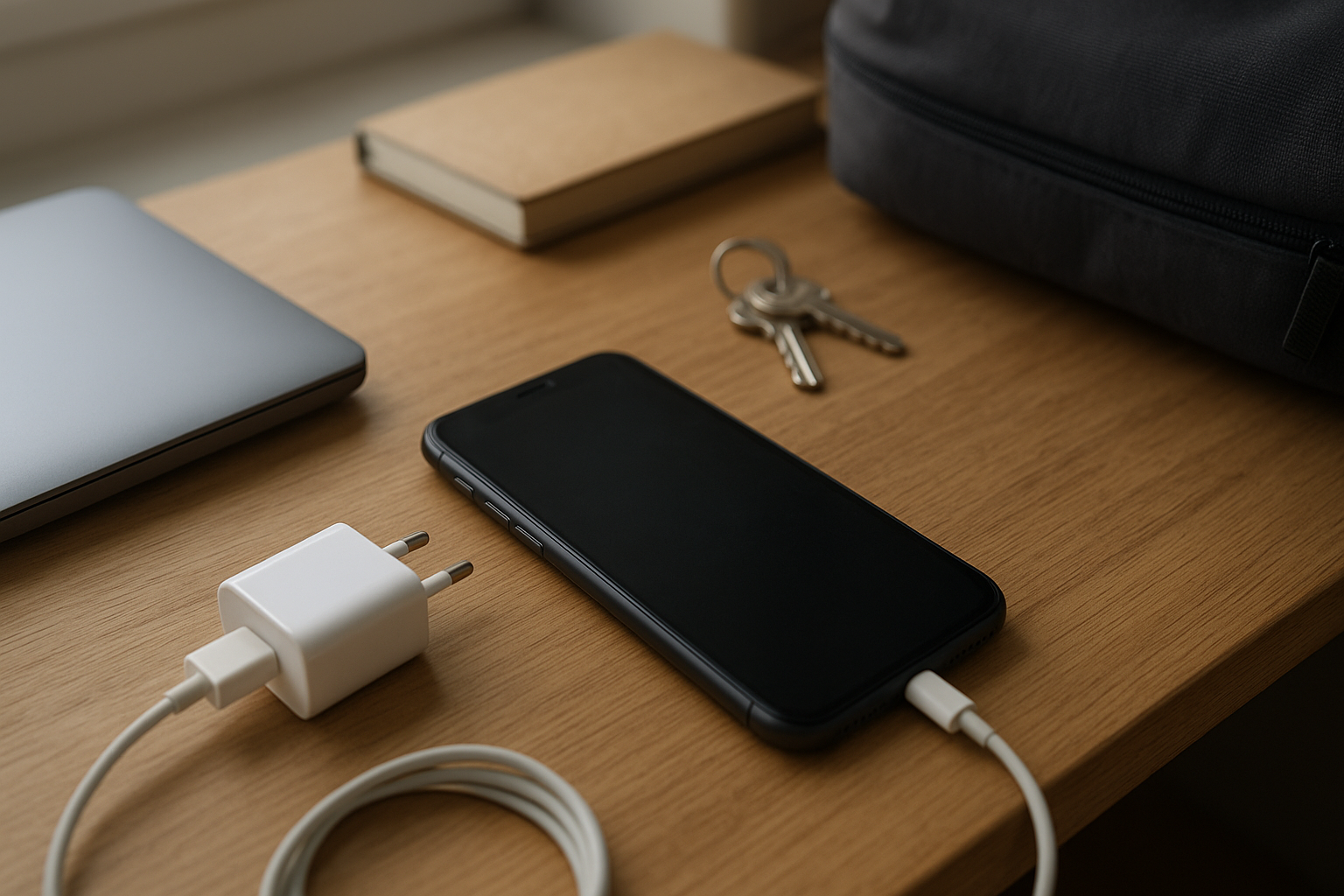
You leave the house at 8 in the morning with your phone at 100 percent, and by early afternoon it is already sliding into the red. That is usually the moment when the problem stops feeling minor. You start checking the battery icon more than your messages. You lower the screen brightness without thinking. You bring a charger from room to room like it is part of the phone now.
I have been there with a phone that used to be easy to trust. It got me through work, errands, maps, calls, and the usual doom-scrolling at night without much drama. Then one day it started fading before the day was over. Not dead. Just unreliable.
And once you notice it, it is hard to ignore.
Why This Situation Feels So Frustrating
Part of the frustration is practical, but part of it is emotional in a way people do not always admit. Your phone is not just a gadget anymore. It is directions, boarding passes, payment apps, work chats, family texts, and the thing you reach for when plans change. When the battery starts acting strange, the whole device feels less dependable.
That loss of trust gets under your skin. You want the phone to feel reliable again, the way it did when charging it overnight was enough and you did not have to think about it all day. Instead, you get sudden battery drops that make no sense, and every outing starts with a little calculation about whether you should top it off before leaving.
It sounds small until you are the one dealing with it.
There is also the nagging question in the background: is this something I can manage, or is this phone on its way out? That is where the irritation turns into doubt. You start balancing convenience with careful habits, and sometimes that balance gets old fast.
What People Usually Notice First
For a lot of people, the first sign is simple. The phone no longer makes it through a normal workday. You use it the same way you always have, but by 3 p.m. it is asking for power like it has been through something intense. Nothing dramatic happened. The battery just does not stretch the way it used to.
Travel and errands make it more obvious. A phone that is already draining too fast becomes stressful when you are relying on maps, rideshare apps, mobile tickets, or just trying to stay reachable while moving around. You start rationing usage. You turn off things you actually want to use. That is when the device begins to feel like work.
Sometimes the change seems to happen right after a new app, a software update, or some background feature you did not ask for. The timing makes you suspicious, and honestly, sometimes that suspicion is fair. A single app can quietly chew through battery, and updates can shift how the phone behaves, at least for a while. If you have been wondering why your phone battery no longer lasts a full day, that feeling usually starts with these small daily interruptions.
Another thing people notice is heat. The phone gets warm while charging, or strangely hot during normal use, and suddenly charging stops feeling routine. It feels off. Not always dangerous, but not right either.
Why It Can Be Confusing
Battery problems are confusing because they are rarely neat. A full charge does not always feel full anymore, which makes you question whether the battery itself is weaker or whether the phone is just reporting things badly. You see 100 percent, but the day says otherwise.
The percentage can also seem inaccurate in ways that make the whole thing feel random. It sits at one number for a long time, then drops five or ten percent in a hurry. Or it falls quickly in the morning and then slows down later. That makes it hard to tell whether the problem is heavy use, battery age, software weirdness, or some mix of all three.
Then there is the most unsettling one: the phone shuts off while there is still charge showing. Maybe it says 12 percent. Maybe 18. Either way, once that happens, confidence takes a hit. You stop believing what the screen tells you, and that is a strange relationship to have with a device you carry everywhere.
Something feels off.
The Hidden Impact on Daily Use
The hidden cost is not just shorter battery life. It is what that does to your day. A phone that cannot be counted on affects productivity in small but constant ways. You delay calls. You avoid using navigation unless you really need it. You keep a charger at your desk, one in your car, one by the bed, maybe another in your bag, because you no longer trust a single full charge to do its job.
That kind of dependence changes your behavior. It adds low-level stress. You think ahead more than you want to. You check battery percentage before leaving the house like it is weather. And if the phone is older, the whole thing starts to feel bigger than a battery issue. It becomes one of those moments where you notice the aging of something you depend on every day.
That is the harder part. Not because phones are emotional objects, but because daily tools earn trust over time. When they begin to decline, even gradually, it can be surprisingly frustrating. You are not just dealing with a battery. You are deciding whether maintenance is enough or whether it is time to move on.
That is not always an easy call.
When It’s Probably Nothing Serious
Sometimes the battery drain is tied to a temporary stretch of heavier use, a recent update still settling in, poor signal strength, or an app doing more in the background than usual. A day or two of unusual drain does not always mean the phone is failing. The same goes for the phone getting a little warm during charging, especially if it is fast charging or you have been using it right beforehand.
If the phone still charges normally, holds steady most of the time, and does not show other warning signs, there may not be a serious hardware problem behind it. It may just need a little attention and a more realistic view of what an aging battery can still do.
Not every bad battery day is the beginning of the end.
When You Should Pay More Attention
If the battery is dropping extremely fast every day, shutting off with charge left, swelling, refusing to charge properly, or getting unusually hot on a regular basis, it deserves a closer look. The same goes if performance has become noticeably unstable, like random restarts or charging behavior that changes from one day to the next.
At that point, the issue is no longer just annoying. It affects reliability in a way that matters. If you depend on your phone for work, travel, security codes, or emergency contact, unreliable power becomes more than an inconvenience. It becomes risk.
That is usually the stage where people start deciding whether they want to invest in the phone again or stop working around it and replace it.
Simple Ways to Improve the Situation
The most helpful approach is usually a calm one. Pay attention to patterns. Notice whether the drain got worse after a specific app, update, or setting change. Reduce the obvious battery-heavy habits where you can, especially the ones that run quietly in the background. Keep charging habits reasonable instead of trying every extreme tip you find online.
It also helps to be honest about the battery’s age. If the phone is a few years old, some decline is normal. That does not mean the device is useless. It just means expectations may need to shift. A battery that once carried you through the day might now need a midday charge, and for some people that is manageable. For others, it defeats the point.
There is no perfect answer there. Just the one that fits your life.
If heat is part of the issue, treat that as a signal to slow down and pay attention. A warm phone now and then is one thing. A phone that regularly gets hot while charging or during ordinary use should not be brushed off.
Conclusion
When a trusted phone stops lasting a full day, the problem is bigger than a number on a screen. It changes how you use the device, how often you think about it, and how much confidence you have in it when you actually need it. That is why the frustration feels so disproportionate. It is not just battery drain. It is broken routine.
Sometimes the fix is simple, and sometimes the phone is telling you, gently but clearly, that it is getting older. Either way, the goal is the same: to make the device feel dependable again, or to be honest that it no longer does. That is usually what people are really trying to figure out.
Because a phone does not need to be perfect. But it does need to show up when it counts.