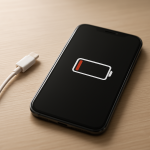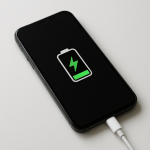
Phone Battery Not Charging Normally — Charging Circuit or Software Control Issue?
Quick Answer
When a phone “charges but not normally” (slow, stuck at a percent, or only charging sometimes), the most common reason is that the charging controller is limiting power, or the battery is refusing to accept full current. This can happen even with a good cable and charger because the phone is actively deciding how much power is safe to take.
In many cases it’s temporary and improves within minutes to a few hours after cooling down, closing heavy apps, or resetting the charge negotiation. If it keeps happening for several days, it’s more likely a worn battery, a dirty/loose port, or a charging circuit fault.
If you need a fast fix
- Turn off the phone for 10–15 minutes, then charge with the original charger and cable to reset charging control and reduce heat.
- Try a different wall outlet and a known-good cable, then gently clean the charging port with a dry, non-metal tool to restore solid contact.
- Remove thick cases, keep the phone in a cool spot, and avoid using it while charging so the controller allows higher charge speed.
Quick Diagnosis Table
| Symptom | Most likely cause |
|---|---|
| Charging is very slow, especially above 80% | Software-controlled taper charging or battery acceptance limit as the battery nears full |
| Charges normally for a while, then slows or stops until it cools | Thermal throttling by the charging controller to protect the battery and board |
| Percentage jumps, sticks, or drops while plugged in | Battery aging or calibration drift causing unstable reporting and early charge cutback |
| Fast charging no longer activates, but regular charging still works | Charge negotiation failing due to cable/port wear, moisture, or controller limiting high power |
| Only charges at certain angles or disconnects with minor movement | Dirty or worn port pins, loose connector, or damaged flex/charging board interrupting control |
Why This Happens
Your phone does not charge at one steady speed. A charging controller (a chip and software rules) constantly measures temperature, battery health, and power quality, then chooses how much current to accept.
For example, a phone may charge quickly from 10% to 60%, slow down between 60% and 80%, then slow a lot above 80%. That is normal behavior meant to reduce heat and extend battery life. Also, if the phone gets warm from gaming, navigation, or a thick case, the controller can cut charger power sharply.
When the controller senses risk (heat, unstable voltage, poor cable contact, battery resistance), it protects the phone by limiting or interrupting charging, which shows up as slow charging, a stuck percentage, or fast charging disappearing.
Most Common Causes (Ranked)
- 1) Thermal throttling (phone or battery too warm): The charging controller reduces power to prevent heat damage, especially during fast charging, heavy use, or charging in a warm room.
- 2) Battery acceptance limitation from aging: As batteries wear, their internal resistance rises, so the phone limits current to avoid overheating and voltage spikes.
- 3) Cable/adapter not meeting fast-charge requirements: Fast charging often needs a specific cable type and charger profile, and the controller will fall back to slow charging if negotiation fails.
- 4) Dirty, moist, or worn charging port: Poor contact causes voltage drops and repeated reconnects, and the controller responds by lowering current or stopping.
- 5) Optimized/Adaptive charging features: Some phones intentionally pause or slow charging (often around 80%) to finish closer to your wake-up time.
- 6) Charging circuit or charging board fault: A failing charge IC, port flex, or power path component can cause unstable charging, random stops, or refusal to fast charge.
If charging slowly becomes normal again after cooling down or changing the cable, that usually indicates protective limiting rather than a serious hardware failure.
How to Check the Problem Safely
- Check 1: Feel for heat. If the phone is warm near the back or camera area, unplug for 10 minutes, remove the case, and retry in a cooler spot.
- Check 2: Test a known-good setup. Use the original charger and cable (or a reputable equivalent) directly in a wall outlet, not a laptop port or cheap power strip.
- Check 3: Inspect the port. With the phone unplugged, look for lint or corrosion; gently remove lint using a dry wooden toothpick or soft brush.
- Check 4: Watch the behavior during use. If charging drops when you open games, video calls, or GPS, the controller is likely limiting power due to heat and high load.
- Check 5: Check battery health if your phone offers it. A low health percentage or “service recommended” message points to acceptance limits from aging.
Safety note: do not use metal tools in the charging port, and avoid alcohol or liquids unless the manufacturer specifically recommends it.
How to Fix It
- Fix 1 (easiest): Let the phone cool and charge idle. Cooling reduces throttling so the controller allows higher current again.
- Fix 2: Swap to a certified cable and the correct wattage charger. This helps the phone complete fast-charge negotiation and prevents voltage drops that trigger limiting.
- Fix 3: Clean the port and check for a snug fit. Removing lint and improving contact prevents micro-disconnects that cause slow or unstable charging.
- Fix 4: Review charging settings and update software. Turn off optimized/adaptive charging for a day to test, and install system updates that may fix charging control bugs.
- Fix 5 (advanced/last resort): Have the battery and charging board tested or replaced. If the phone only charges intermittently, loses fast charging permanently, or shows big percentage jumps, a worn battery or failing charging circuit is likely.
Signs of Battery or Hardware Damage
- Battery percentage drops quickly even after “full” charging.
- Phone gets unusually hot while charging with light use.
- Charging repeatedly starts and stops or the cable must be held at an angle.
- Battery level jumps by several percent at once or shuts down at 20–40%.
- Swollen back cover, screen lifting, or a rocking phone on a flat surface.
- Burning smell, crackling sounds, or visible discoloration near the port.
- Moisture warnings that keep returning after the phone is fully dry.
When Repair Is No Longer Worth It
If a new cable/charger and port cleaning do not change the behavior, and the phone still throttles hard or disconnects, the issue may be the battery or charging circuit. Repair is usually worth it when the phone is otherwise fast and supported with updates, especially if it only needs a battery replacement.
As a rule, consider replacement if major components are involved (charging board plus battery), if the phone has other problems (overheating, random restarts), or if repair costs approach a large portion of the phone’s current value. Also factor in safety: swelling or extreme heat should be addressed immediately, not “wait and see.”
How to Prevent This Problem in the Future
- Keep the phone cool while charging by removing thick cases and avoiding direct sunlight.
- Use reputable chargers and certified cables so the controller can negotiate stable power.
- Avoid heavy gaming, hotspot use, or navigation while fast charging to prevent thermal limiting.
- Clean the charging port gently every few months if you carry the phone in pockets or dusty bags.
- Don’t leave the phone at 0% for long periods; deep discharge can reduce battery acceptance and stability.
- If available, use optimized charging most days, but disable it temporarily if you need a quick full charge and want to test charging behavior.
- Replace an aging battery before it becomes unstable, especially if you notice heat, jumps in percentage, or frequent throttling.
FAQ
Why does my phone charge fast to 50–70% and then slow down a lot?
This is usually normal and controlled by the charging system. Phones charge fastest when the battery is low, then slow down as the battery fills to reduce heat and stress. The slowdown is often strongest above 80% because the battery can’t safely accept as much current near full.
Why did fast charging stop working even though the phone still charges?
Fast charging depends on the phone, charger, and cable agreeing on a higher-power mode. A worn cable, dirty port, or a charger that no longer delivers the expected profile can cause the phone to fall back to basic charging. Heat or battery aging can also make the controller refuse fast charging for safety.
Is it a software problem or a hardware problem?
It’s often software control reacting to real conditions like heat or battery wear, so it looks like a “bug” even when it’s protective behavior. If a reboot, cooling, and a known-good charger fix it, the controller was likely limiting charging temporarily. If the problem persists across different chargers and after updates, hardware (battery, port, charging board) becomes more likely.
For a full overview of this issue and step-by-step solutions, read the complete troubleshooting guide.