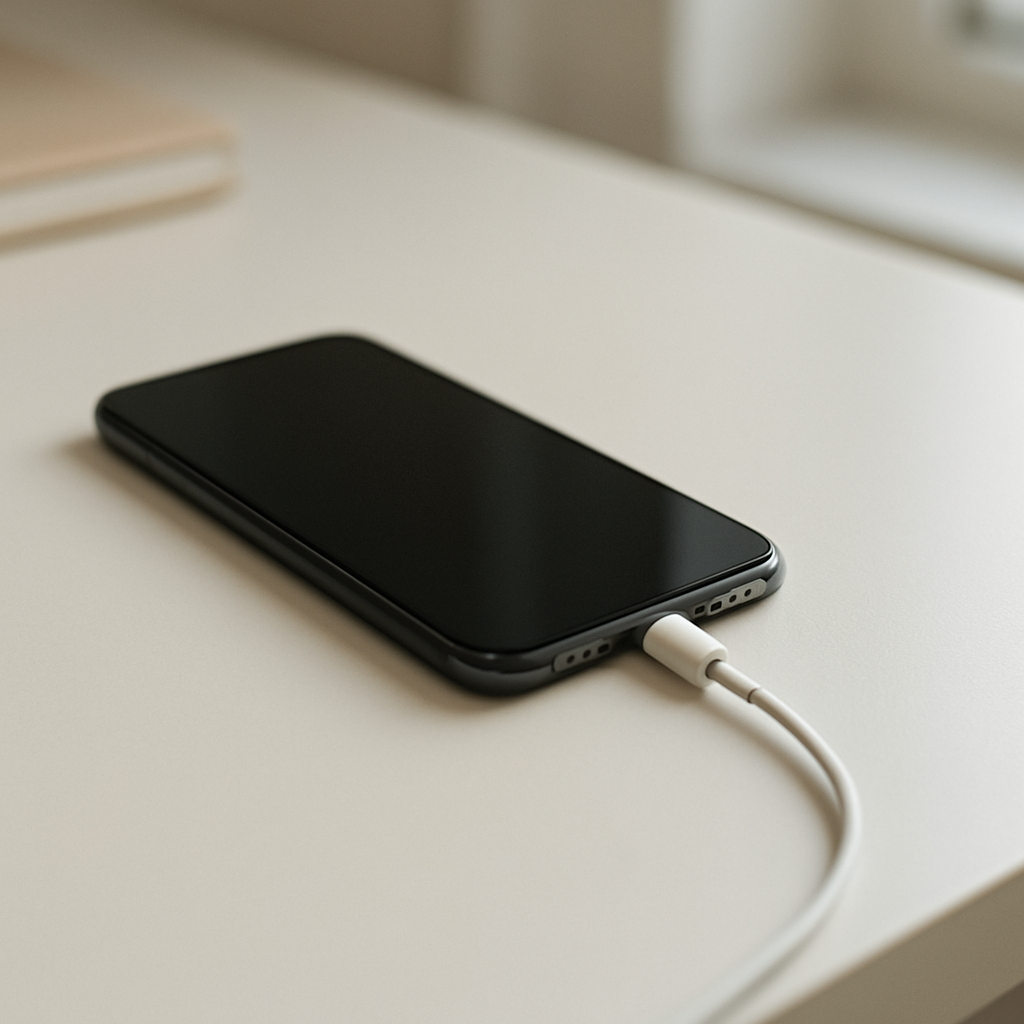
Phone Battery Draining After Factory Reset — Why It Happens and How To Fix It
Quick Answer
Right after a factory reset, fast battery drain is most often caused by the phone working in the background to rebuild its system data. It reindexes photos and files, re-syncs accounts, restores apps, and re-learns usage patterns, which can keep the CPU, storage, and network busy and burn more power than normal.
This usually settles down once the reindexing and syncing finish. For many phones, that means noticeable improvement within 24–72 hours, though heavy photo libraries, lots of apps, or spotty Wi‑Fi can stretch it longer.
If you need a fast fix
- Connect to stable Wi‑Fi, plug into a reliable charger, and let the phone sit idle for 1–2 hours to complete indexing and background setup.
- Restart once, then pause app downloads/updates for a bit to stop repeated install-and-scan cycles.
- Turn on Battery Saver (or Low Power Mode) and lower screen brightness to reduce the biggest immediate drain.
Quick Diagnosis Table
| Symptom | Most likely cause |
|---|---|
| Battery drops fast even when you are not using the phone | Post-reset reindexing, account syncing, and app optimization running in the background |
| Phone feels warm, especially near the camera area or back | High CPU use from setup tasks, app restores, or a stuck system process after reset |
| Battery usage shows “System,” “Android System,” or similar at the top | Software instability or background services repeatedly waking the phone |
| Drain is worst on mobile data but improves on Wi‑Fi | Poor signal causing the modem to work harder; repeated cloud sync retries |
| Drain spikes after restoring a backup or reinstalling apps | A specific app (or many apps) re-syncing data, scanning files, or misbehaving after install |
Why This Happens
A factory reset wipes and rebuilds the phone’s software environment. After you sign in again, the phone has to download updates, restore apps, rebuild caches, and re-scan your storage so search, photos, and notifications work normally.
In real life, this looks like your Photos app analyzing faces or scenes, your email and messaging apps pulling years of data, and your cloud storage re-checking what’s already on the device. Even if the screen is off, these background tasks can keep the phone awake and active.
The result is simple: more background work means more CPU and network activity, which creates heat and drains the battery faster than usual until the work finishes or the unstable process is stopped.
Most Common Causes (Ranked)
- 1) Post-reset syncing and reindexing: Your phone rebuilds search indexes, photo libraries, and app databases after a reset. This can heavily use CPU, storage, and Wi‑Fi for hours to days.
- 2) App restore and update loop: Dozens of apps reinstall, update, and then request background permissions all at once. Some apps also download large offline data (maps, music, podcasts) and keep working even when you stop using the phone.
- 3) Software bug or stuck system service: Occasionally a reset triggers a glitch where the system keeps “waking up” too often. This can show up as high “System” battery usage and persistent warmth.
- 4) Poor signal or repeated network retries: Right after a reset, devices often re-authenticate accounts and services. If cellular signal is weak or Wi‑Fi is unstable, the phone retries uploads/downloads repeatedly and the modem drains the battery.
- 5) Corrupted restore data or incompatible settings: Restoring from a backup can reintroduce a setting or app state that causes crashes or repeated sync attempts. This is more likely if the phone updated its OS version since the backup was created.
- 6) Battery health was already low: A reset doesn’t improve an aging battery, and the extra post-reset workload can make existing battery wear feel sudden. You may notice bigger drops at 30% and below.
If the drain slowly improves each day, that usually indicates the phone is finishing background setup rather than a permanent battery problem.
How to Check the Problem Safely
- Check 1: Look at Battery usage (Settings > Battery) and note the top 3 items. If “System” or “Google Play services” is unusually high, it points to background setup or a stuck process.
- Check 2: Check device temperature by touch during light use. Mild warmth is normal during setup, but it should cool down when idle and off the charger.
- Check 3: Review app downloads and updates in your app store. If it’s constantly installing or updating, pause updates temporarily and see if standby drain improves.
- Check 4: Check network conditions: try Wi‑Fi only for a few hours, or toggle Airplane mode for 10 minutes while on Wi‑Fi. If drain drops sharply, the modem or signal quality is a big factor.
- Check 5: Confirm your OS is fully up to date. A reset can put you on an older build until updates install, and early builds sometimes drain more.
Avoid installing “battery saver” cleaner apps from third parties during troubleshooting, since they can add more background activity and make the problem harder to identify.
How to Fix It
- Fix 1 (easiest): Give it time while plugged in on Wi‑Fi. Let the phone sit idle for a couple of hours (or overnight) so indexing, app optimization, and restores can finish without draining the battery.
- Fix 2: Update everything, then restart once. Install OS updates and app updates, then reboot to clear stuck services and load the latest fixes.
- Fix 3: Reduce background load for 24 hours. Turn on Battery Saver, disable always-on display, reduce screen brightness, and temporarily turn off background refresh/sync for non-essential apps to stop constant wake-ups.
- Fix 4: Identify and remove the top draining app. In Battery usage, tap the app that’s high on the list and restrict background activity (or uninstall it) to confirm whether it’s the source.
- Fix 5 (advanced/last resort): Set up as new instead of restoring a full backup. If the drain remains severe after 72 hours, reset again and sign in manually, reinstalling apps one by one to avoid reintroducing corrupted settings or problematic data.
Signs of Battery or Hardware Damage
- Battery percentage drops in large jumps (for example, 30% to 15% in minutes) even after the post-reset period.
- Phone gets hot during simple tasks like texting or sitting idle, not just during setup, gaming, or charging.
- Unexpected shutdowns above 20–30% battery.
- Charging is erratic: it stops and starts, won’t go above a certain percent, or takes far longer than before with the same charger.
- The back of the phone is bulging, the screen is lifting, or the device rocks on a flat surface.
- Battery health (if shown) reports “Service” or very low capacity.
- There is visible corrosion in the SIM tray area or the phone was recently exposed to liquid.
When Repair Is No Longer Worth It
If the phone is several years old and battery health is poor, a reset can make the existing wear more obvious, especially under heavy background setup. A battery replacement is often worth it for a midrange or premium phone in good condition, but less so for very old models with slow performance or missing security updates.
As a rule, consider repair if the replacement cost is clearly less than buying a comparable used phone in good shape. If you also need a new charging port, screen, or multiple repairs, replacement is usually the better value.
How to Prevent This Problem in the Future
- After any reset, keep the phone on Wi‑Fi and on a charger for a few hours so indexing and restores finish quickly and efficiently.
- Install OS updates first before restoring lots of apps, since newer builds often fix background drain issues.
- Restore in stages: let core apps finish syncing before adding large libraries like photo backups, offline music, or big game downloads.
- Avoid signing into many accounts at once right after reset; add secondary email, work, and social accounts gradually.
- Use trusted chargers and stable Wi‑Fi to prevent repeated download retries that waste power.
- Limit background activity for apps that don’t need it (social media, shopping, some games) to reduce wake-ups.
- Check battery health periodically; a worn battery will struggle more during high-activity periods like post-reset setup.
FAQ
Is it normal for my phone to drain faster right after a factory reset?
Yes, it’s common for the first day or two. The phone is restoring apps, syncing data, and rebuilding indexes, which increases background activity. If the drain steadily improves within 24–72 hours, it’s usually normal post-reset behavior.
Why does the battery drain most when the screen is off?
During post-reset setup, the phone can do a lot while you are not touching it: syncing accounts, analyzing photos, and optimizing apps. If a process is stuck, it may also keep the phone from entering deep sleep. Checking Battery usage and restricting a high-drain app often helps.
How do I know if it’s a bad app or a system problem?
If one app is at the top of Battery usage and the drain improves after you restrict or uninstall it, the app is likely the cause. If “System” stays unusually high, the phone stays hot while idle, and nothing changes after updates and a restart, it points more toward a system service issue or a problematic restore. In that case, setting up as new is the cleanest test.
For a full overview of this issue and step-by-step solutions, read the complete troubleshooting guide.