Device Charging Stops Suddenly — Power Interrupt Causes and Fixes
Quick Answer
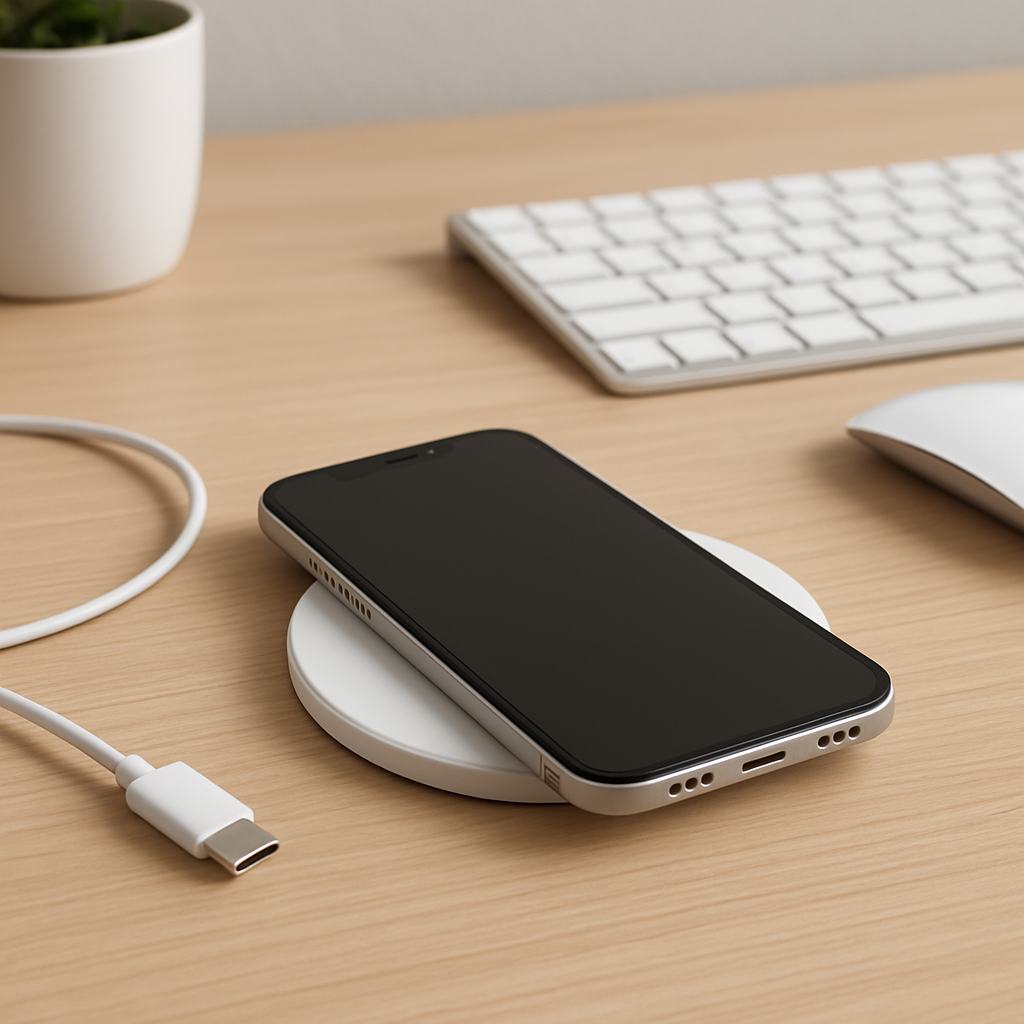
Charging usually stops suddenly because power delivery gets interrupted for a moment: a loose cable/port briefly disconnects, the charger or device triggers a protection shutoff, or the device limits charging to control heat and battery stress.
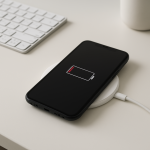
This often looks like the battery percentage “freezing,” the charging icon blinking on and off, or charging returning only after you replug the cable. It can happen within seconds of plugging in, or after 10–30 minutes when heat builds or the battery reaches a regulation point.
If you need a fast fix
- Unplug both ends, firmly reconnect, and avoid touching the cable while it charges (movement often causes quick dropouts).
- Switch to a different cable and a different power source (another wall outlet or a different USB port) to rule out a weak connection.
- Let the device cool for 10–15 minutes, then charge again with the screen off (heat can trigger protection and stop charging).
Quick Diagnosis Table
| Symptom | Most likely cause |
|---|---|
| Charging icon flashes on/off when the cable is bumped | Loose port, worn cable end, or debris preventing a solid connection |
| Charging stops after 10–30 minutes and the device feels warm | Heat protection or charging regulation reducing or pausing input |
| Charges on one charger but not another | Incompatible charger/power profile, weak adapter, or failing charger |
| Charges very slowly, then stops at certain percentages | System-managed charging (optimized charging), battery calibration drift, or low-quality cable limiting power |
| Disconnect/reconnect is required to resume charging | Protection trigger from power spikes, dirty connector, or unstable wall power/USB hub |
Why This Happens
Your device needs a steady, clean flow of power to keep charging. If the connection is slightly unstable, the device can “see” it as a disconnect and stop charging to avoid arcing, heat, or data/charging errors.
Protection features can also pause charging when something seems unsafe, like overheating, moisture detection, a cable short, or a sudden change in voltage from a cheap adapter or overloaded power strip.
The result is simple: a brief interruption or safety limit breaks the charging session, so the battery percentage stops going up and the charging indicator may disappear until power becomes stable again.
Most Common Causes (Ranked)
- 1) Loose or dirty connection at the port: Pocket lint, oxidation, or a slightly worn port can prevent full contact, causing momentary dropouts and sudden stops.
- 2) Failing or low-quality charging cable: Internal wire breaks near the ends are common; the cable may work only at certain angles and then cut out.
- 3) Charger/adapter protection or incompatibility: Some adapters shut off when they detect overload, abnormal draw, or they don’t negotiate fast charging correctly.
- 4) Device heat management (charging regulation): When the phone/tablet/laptop gets warm, the system may slow or pause charging to protect the battery and internal parts.
- 5) Power source instability: Loose wall outlets, worn extension cords, or flaky USB ports on cars and hubs can drop voltage briefly and interrupt charging.
- 6) Moisture or contamination detection: Many devices stop charging if they detect moisture or conductive debris to prevent corrosion and shorts.
If charging becomes more stable after cleaning the port, reducing movement, or switching to a better cable/charger, that gradual improvement is a strong sign the issue was power delivery rather than the battery itself.
How to Check the Problem Safely
- Check 1: Try a known-good cable and charger (borrow one that reliably charges another device) and test for at least 10 minutes.
- Check 2: Inspect the charging port with a bright light; if you see lint packed inside, that can prevent a snug fit and cause interruptions.
- Check 3: Wiggle test gently: plug in the cable and lightly touch the connector; if charging toggles on/off, the issue is likely the cable end or the port.
- Check 4: Change the power source: use a different wall outlet (not a power strip), or plug directly into a wall adapter instead of a laptop/USB hub.
- Check 5: Monitor temperature: if charging stops when the device is warm or in a case, remove the case and let it cool before testing again.
Safety note: if you notice burning smell, melting plastic, visible sparking, or a swollen battery, stop using the charger immediately and do not continue testing.
How to Fix It
- Fix 1 (easiest): Reseat and stabilize the connection: unplug, replug firmly, and keep the device still while charging; this prevents tiny disconnects that stop the session.
- Fix 2: Clean the port carefully: power off the device, then use a dry wooden toothpick or soft brush to remove lint; a clean port lets the plug fully seat and hold steady.
- Fix 3: Replace the cable (and avoid bargain no-name cables): a high-quality cable maintains consistent power delivery and reduces dropouts from internal breaks.
- Fix 4: Use a compatible wall charger: choose the manufacturer’s charger or a reputable USB-C PD/USB-A charger with appropriate wattage; stable negotiation prevents protective shutdowns.
- Fix 5 (advanced/last resort): Address heat and system limits: update the OS, disable heavy background tasks while charging, and try charging with the screen off; if “optimized charging” causes stops at specific percentages, temporarily turn it off to test.
Signs of Battery or Hardware Damage
- Charging stops even with multiple known-good cables and chargers, across different outlets.
- The charging port feels loose, the plug won’t sit firmly, or it disconnects with the slightest touch.
- The device gets unusually hot near the port or battery area during charging.
- The battery percentage jumps up and down, or the device shuts down at high percentages (for example, 30–50%).
- “Accessory not supported,” moisture warnings that persist after drying, or repeated “charging paused” alerts with no clear cause.
- Visible swelling, bulging screen/back cover, or creaking when pressing the chassis.
- Crackling sounds, burning smell, discoloration around the port, or melted cable ends.
When Repair Is No Longer Worth It
Repair may not be worth it when the device has both charging instability and other major issues such as a swollen battery, recurring overheating, or a damaged charging port on an older model. If the repair requires board-level work or repeated part swaps, reliability often remains unpredictable.
As a rule of thumb, if the estimated repair cost approaches 40–60% of the device’s replacement price, replacement is usually the better value. Battery-only replacements are often worth it on mid to high-end devices, while port plus board repairs can quickly exceed the practical value.
How to Prevent This Problem in the Future
- Use a reputable charger and cable with the correct power rating for your device to avoid unstable negotiation and power spikes.
- Avoid bending the cable sharply near the connector; strain relief failures are a top cause of sudden charging stops.
- Keep the port clean by preventing pocket lint buildup; occasionally inspect with a light and remove debris gently.
- Charge on a stable surface and avoid using the device heavily while plugged in, which increases heat and can trigger charging pauses.
- Don’t charge in hot environments (direct sun, hot car) and remove thick cases if the device warms up.
- Plug into a solid wall outlet instead of loose power strips or unreliable car USB ports when you need consistent charging.
- Unplug by gripping the connector, not the cable, to reduce wear on both the cable end and your device’s port.
FAQ
Why does my phone start charging and then stop after a few minutes?
This is usually a heat or protection response, or a connection that becomes unstable after slight movement. If the device is warm, it may pause charging to protect the battery. Try a different cable and charger, charge with the screen off, and let the device cool before testing again.
Is it normal for charging to stop at 80% or 100%?
Yes, many devices slow down or pause charging near high percentages to reduce battery wear and heat. Features like optimized charging may hold at around 80% until it predicts you’ll need a full charge. If it never resumes and requires unplugging to continue, that suggests an unstable connection or charger issue.
Can a bad wall outlet or power strip make charging stop?
Yes, a loose outlet or overloaded power strip can cause brief voltage drops that interrupt charging. This is especially noticeable with fast charging, which needs a stable supply. Test with a different outlet and plug the charger directly into the wall to confirm.
For a full overview of this issue and step-by-step solutions, read the complete troubleshooting guide.