Device Battery Overheating — Real Causes and How To Stop It Safely
Quick Answer
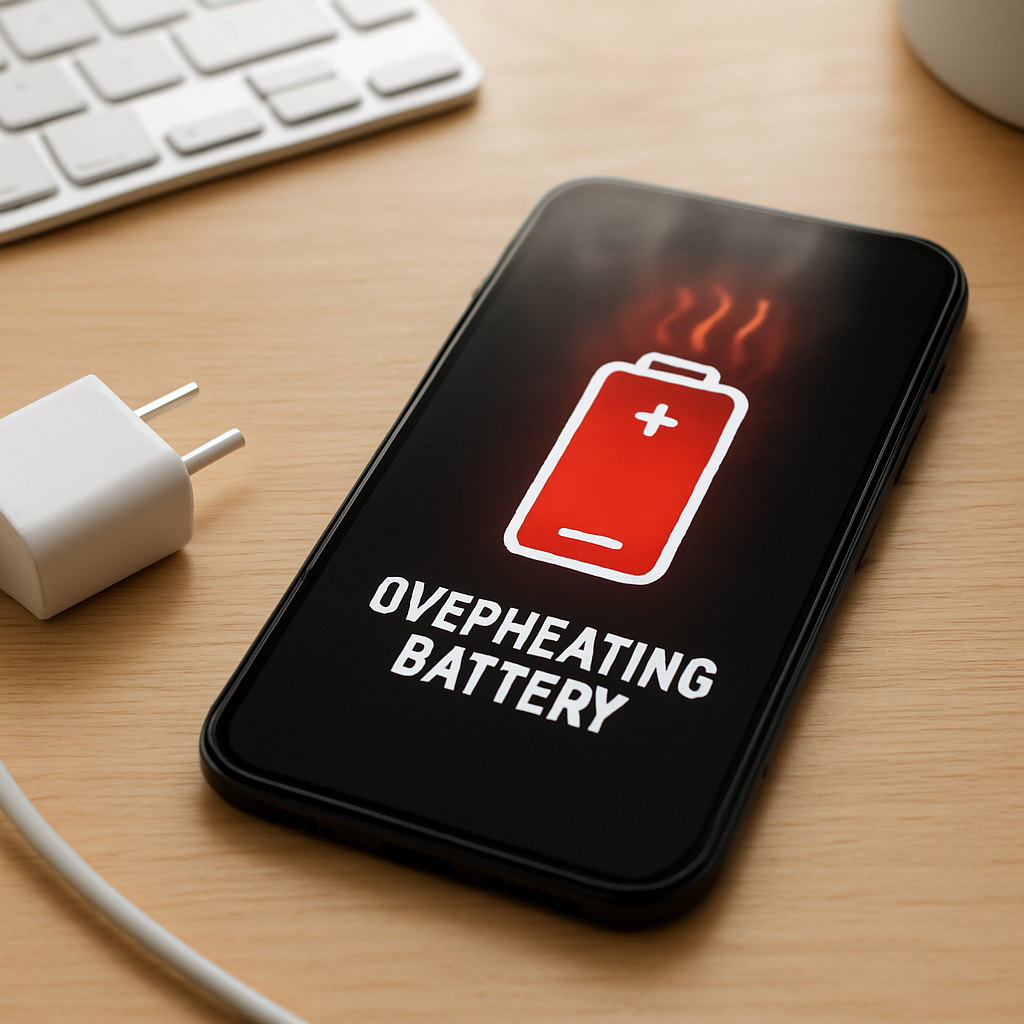
Battery overheating usually happens when the battery is being asked to deliver or accept too much power for its current condition. That can be from excessive current draw (heavy use or fast charging), increased internal resistance (an aging or damaged cell turning power into heat), or the early stages of thermal runaway inside a failing battery.
If the heat shows up only during charging or gaming and cools down within 5–15 minutes after you stop, it’s often a load/charging setup problem. If it stays hot at idle, gets hotter each minute, or appears suddenly after a drop or water exposure, treat it as a safety issue and stop using it right away.
If you need a fast fix
- Unplug the charger, stop heavy apps, and power the device off for 10–20 minutes so the battery can cool down.
- Move the device to a cool, dry spot out of direct sunlight and remove any case that traps heat.
- When it’s cool, charge with an original (or certified) charger and cable at a lower-power source, and avoid using the device while it charges.
Quick Diagnosis Table
| Symptom | Most likely cause |
|---|---|
| Gets very hot only while fast charging | Excessive charging current, poor cable/charger quality, or heat trapped by a case |
| Gets hot during normal use (scrolling, calls) and drains quickly | Increased internal resistance from battery aging or damage, making normal current create extra heat |
| Hot even when idle or overnight, sometimes with random shutdowns | Background process causing sustained draw, or failing cell causing heat under light load |
| Sudden extreme heat, chemical smell, or bulging | Cell failure with risk of thermal runaway; stop using and isolate the device |
Why This Happens
A battery heats up when electricity meets resistance. Some warmth is normal, but too much heat means too much power is being pushed through the battery, or the battery has become “harder” to charge and discharge as it ages.
In real life, this can look like using GPS and video on a weak signal, playing a 3D game while charging, or using a high-watt charger with a device that already runs warm. It can also happen after a battery has many charge cycles, has been left in a hot car, or has taken impact damage.
As internal resistance rises, the same task that used to be fine now creates extra heat, which can cause more resistance, which creates even more heat. That feedback loop is why overheating sometimes gets worse over weeks, and why sudden severe overheating should be treated as a potential battery fault.
Most Common Causes (Ranked)
- 1) Excessive current draw during use: Heavy apps, high brightness, hotspot use, weak cellular signal, or gaming can pull high current, turning more energy into heat.
- 2) Fast charging + using the device at the same time: The battery is being charged and drained simultaneously, which increases total current and raises temperature quickly.
- 3) Increased internal resistance from an aging battery: As batteries wear, they waste more power as heat, so the device runs hotter even with normal tasks.
- 4) Poor charger, cable, or charging standard mismatch: Low-quality accessories can cause unstable power or extra heat at the port and inside the charging circuit, increasing battery stress.
- 5) Heat trapped by cases, mounts, or bedding: Insulation prevents the device from shedding heat, so normal warmth turns into overheating.
- 6) Cell damage or internal short (thermal runaway risk): Drops, water exposure, swelling, or manufacturing defects can create dangerous heating that escalates.
If heat slowly becomes less frequent after changing charging habits and reducing workload, that usually indicates the issue was load-related rather than an immediate cell failure.
How to Check the Problem Safely
- Check 1: Note when it gets hot: only while charging, only under heavy use, or even when idle. This timing is the fastest clue to whether it’s current draw, charging, or a failing battery.
- Check 2: Feel where the heat is strongest (without holding it tightly). Heat near the battery area points to battery stress; heat concentrated at the port can point to cable/connector issues.
- Check 3: Try a cooler, slower charge: use an original/certified charger and cable, plug into a wall outlet, and avoid fast-charging bricks for one test cycle.
- Check 4: Check battery health indicators if your device offers them (battery health percentage, cycle count, or service warnings). A noticeably reduced health figure often matches increased internal resistance.
- Check 5: Observe idle drain: fully charge, then leave it unused for 30–60 minutes with the screen off. If it gets hot or drops rapidly, sustained background draw or a battery fault is likely.
If the device becomes painfully hot, smells odd, swells, or hisses, stop testing immediately, move it to a non-flammable surface, and keep it away from people and pets.
How to Fix It
- Fix 1 (easiest): Stop using the device while charging and remove the case during charging. This reduces combined current and helps heat escape.
- Fix 2: Switch to a known-good charger and cable (original or certified). Stable, correct power lowers charging stress and can prevent excess heat at both the port and the battery.
- Fix 3: Reduce peak power draw: lower screen brightness, turn off hotspot, limit 5G when signal is weak, and close heavy apps. Lower current demand directly reduces heat buildup.
- Fix 4: Adjust charging habits: avoid fast charging when you don’t need it, unplug around 80–90% for daily use, and don’t charge on soft surfaces. Less time at high voltage and high heat slows battery wear.
- Fix 5 (advanced/last resort): Replace the battery or seek professional service if overheating happens during light use or persists with good accessories. A degraded or damaged cell can’t be “fixed” by settings, and replacement removes the underlying risk.
Signs of Battery or Hardware Damage
- Battery swelling, screen lifting, or a case that no longer fits properly
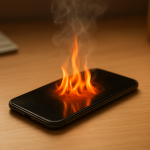
- Chemical or sweet/metallic smell, sizzling sounds, or visible smoke
- Device becomes extremely hot within minutes even at idle
- Rapid battery drop (for example, losing 20–30% with little use) along with heat
- Random shutdowns, reboot loops, or the device only working while plugged in
- Charging stops and starts repeatedly, or the charging port area becomes unusually hot
- Battery health warning messages or “service recommended” alerts
When Repair Is No Longer Worth It
If the device shows swelling, repeated extreme overheating, or any sign of thermal runaway risk, replacement or professional repair is the safer choice than continued troubleshooting. In these cases, the battery can be an immediate hazard, not just an inconvenience.
As a rule of thumb, if a battery replacement costs a large fraction of the device’s current value, consider upgrading instead. If the device is otherwise in great shape and the manufacturer offers a reliable battery replacement, repair often restores normal temperatures and runtime for much less than buying new.
How to Prevent This Problem in the Future
- Use original or certified chargers and cables to avoid unstable power that increases heat and stress.
- Avoid heavy use while charging, especially gaming, video recording, or hotspot use.
- Keep the device cool: don’t charge under pillows, in direct sun, or in a parked car.
- Favor slower charging when time allows, since high current raises battery temperature the most.
- Limit extreme battery states: for daily use, charging to around 80–90% and avoiding frequent 0% runs can reduce long-term resistance growth.
- Replace aging batteries before they become problematic, especially if you notice reduced runtime and more warmth during normal tasks.
- After drops or water exposure, monitor for new heat patterns and get the battery checked if anything changes.
FAQ
Is it normal for a battery to get warm while charging?
Yes, mild warmth is normal because charging always creates some heat. It becomes a problem when it’s uncomfortably hot, keeps getting hotter, or stays hot long after you unplug. Repeated high heat accelerates battery wear and can indicate a charger/accessory mismatch or a degrading cell.
Can a new charger cause overheating even if it “fits”?
Yes. A charger can physically fit and still deliver power in a way that makes your device run hotter, especially with low-quality fast chargers or cables that cause unstable voltage. Using a certified charger and a good cable often reduces temperature immediately during charging.
What should I do if my device gets extremely hot suddenly?
Unplug it, stop using it, and place it on a non-flammable surface in a cool area. Do not put it in the fridge or freezer, and do not puncture or press a swollen battery. If there’s swelling, smell, smoke, or hissing, contact the manufacturer or a repair shop and follow local guidance for safe battery disposal.
For a full overview of this issue and step-by-step solutions, read the complete troubleshooting guide.