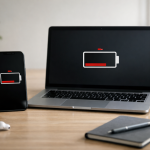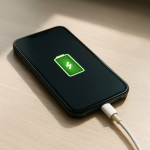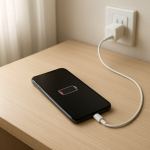
Battery Not Charging Properly — How To Diagnose Charging System Failure
Quick Answer
Most “battery not charging properly” problems are caused by a break or bottleneck in the power transfer chain: the wall adapter, charging cable, device port, or the device’s charging controller. Even if the battery is healthy, it can’t charge well if the charger can’t deliver stable power or the device can’t accept it.
It usually means the device is receiving too little power (or power that cuts in and out), so charging slows, pauses, or only works at certain angles. Many issues are immediate after a cable/adapter change, a drop, pocket lint buildup, or an update, and they often show up within days of that event.
If you need a fast fix
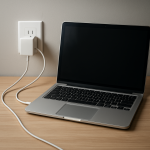
- Try a known-good charger and cable (preferably the original or a certified replacement) and plug directly into a wall outlet.
- Power off the device for 2 minutes, then charge for 15–20 minutes without using it.
- Inspect the charging port for lint or debris and gently remove it with a wooden toothpick or soft brush (no metal tools).
Quick Diagnosis Table
| Symptom | Most likely cause |
|---|---|
| Charges only when the cable is held at an angle | Loose/worn port, bent pin, or damaged cable connector |
| Charging is very slow or stops when you use the device | Underpowered adapter, cheap cable with high resistance, or heavy background load |
| Charges from a computer USB port but not from a wall charger | Wall adapter failure, wrong adapter type, or outlet/power strip issue |
| Charger gets hot and charging cycles on/off | Bad cable/adapter causing unstable voltage, or port contamination causing poor contact |
| Shows “charging” but battery percentage barely increases | Power negotiation failure (USB-C/fast charge), charging controller limiting current, or severe port/cable resistance |
Why This Happens
Charging is a chain: outlet → adapter → cable → port → charging controller → battery. If any link delivers less power than expected, the device protects itself by reducing charge speed or stopping charging to prevent overheating and damage.
Real-world examples are common: a cable that looks fine but has broken wires near the connector, a USB-C cable that supports data but not high-watt charging, or a port packed with pocket lint that prevents the plug from seating fully. Even a slightly loose plug can create resistance, which wastes power as heat instead of charging the battery.
When the device can’t get steady power, the symptom is usually slow charging, charging that cuts in and out, or charging that only works in certain positions.
Most Common Causes (Ranked)
- 1) Bad or underpowered adapter: Adapters can fail internally or simply not supply enough watts for your device, especially tablets, laptops, and fast-charging phones.
- 2) Damaged or low-quality cable: Many cables can’t carry high current reliably, and internal breaks near the plug often cause intermittent charging.
- 3) Dirty, obstructed, or worn charging port: Lint, dust, or oxidation prevents full contact, and repeated plugging can loosen the port over time.
- 4) Power negotiation or compatibility issue (USB-C/fast charge): If the charger, cable, and device can’t “agree” on voltage/current, charging drops to a slow fallback mode or fails.
- 5) Charging controller or port hardware fault: A damaged charging IC, corroded board connection, or cracked solder joint can limit charging or stop it completely.
- 6) Software or background load masking charging: Heavy apps, heat management, or battery health features can make it look like it isn’t charging when power is being consumed as fast as it arrives.
If charging slowly improves after swapping the adapter/cable or cleaning the port, that gradual improvement usually indicates a contact or power-delivery issue rather than a suddenly “dead” battery.
How to Check the Problem Safely
- Check 1: Confirm the outlet works by plugging in something else, then plug the charger directly into the wall (avoid power strips for testing).
- Check 2: Swap one part at a time: try a known-good cable first, then a known-good adapter, to isolate the weak link.
- Check 3: Inspect the cable ends and adapter for kinks, melted spots, looseness, or a “wobbly” connector that doesn’t click/seat firmly.
- Check 4: Look into the device port with a flashlight; if you see lint, gently remove it and then plug in the cable to see if it seats deeper and more firmly.
- Check 5: If your device shows charging details, compare “charging rapidly/fast charging” versus normal; a drop to basic charging often points to cable/adapter negotiation problems.
Safety note: if you smell burning, see smoke, or notice swelling, stop charging immediately and disconnect power.
How to Fix It
- Fix 1 (easiest): Use a certified, known-good charger and cable rated for your device; this restores stable wattage and prevents frequent cutouts.
- Fix 2: Clean the charging port and ensure the plug fully seats; better contact reduces resistance and stops “charging only at an angle.”
- Fix 3: Reduce load while testing: close power-hungry apps, lower screen brightness, and charge with the device idle or powered off; this helps you see whether the charger can actually add battery percentage.
- Fix 4: Try a different charging method: a different wall outlet, a different USB-C PD charger (for USB-C devices), or a different charging standard supported by your device; this addresses compatibility and negotiation issues.
- Fix 5 (advanced/last resort): If multiple known-good chargers/cables fail and the port feels loose or charging is intermittent, schedule a port replacement or board-level repair; the charging controller or port solder joints may be failing.
Signs of Battery or Hardware Damage
- Battery percentage jumps up or down suddenly (for example, 40% to 10% in minutes).
- The device shuts off even with battery remaining, or reboots when you plug in the charger.
- Charging port feels loose, the plug won’t stay seated, or you can see bent pins inside the port.
- Device or charger becomes unusually hot during charging, even when not in use.
- Burning smell, discoloration around the port, or melted plastic on the connector.
- Swollen battery symptoms: bulging back cover, screen lift, or pressure marks.
- Charging only works with very gentle movement and fails across multiple cables and chargers.
When Repair Is No Longer Worth It
If the issue is a worn port or failed charging controller, repair can be reasonable on newer or high-value devices, but less cost-effective on older models with degraded batteries and slow performance. Water exposure or corrosion can also cause repeated failures even after a port replacement.
As a rule, consider replacement when repair cost approaches 40–60% of the device’s current value, or when you’d still need a battery replacement soon. If the device is essential, also factor in downtime, data risk, and whether a repair shop offers a warranty.
How to Prevent This Problem in the Future
- Use the correct wattage charger for your device, especially for USB-C laptops and fast-charging phones.
- Buy certified or reputable-brand cables; avoid very cheap cables that overheat or fail internally.
- Unplug by gripping the connector, not yanking the cable, to protect the port and cable strain relief.
- Keep the port clean by periodically checking for lint, especially if you carry the device in pockets or bags.
- Avoid charging while the device is under heavy load or in hot environments; heat accelerates wear in the charging system.
- Don’t leave the cable plugged in where it can be bent sharply at the connector (on a couch edge, car seat track, or bedside pinch point).
- Use surge protection in areas with unstable power to reduce adapter stress and failure.
FAQ
Why does my device say “charging” but the battery percentage doesn’t go up?
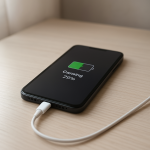
This usually means the device is receiving some power, but not enough to exceed what it’s using. A weak adapter, high-resistance cable, or poor port contact can limit power so much that the battery barely increases. Test by closing apps and charging with the screen off using a known-good charger and cable.
Can a dirty charging port really stop fast charging?
Yes. Fast charging depends on solid electrical contact and stable power negotiation, and lint can prevent the plug from fully seating. Even if it still “charges,” the extra resistance can force the device to drop to slower charging or disconnect intermittently.
When should I suspect the charging controller instead of the cable or adapter?
Suspect the charging controller or internal port damage when multiple known-good chargers and cables fail the same way, especially if the port is loose or charging cuts in and out regardless of cable position. Another clue is consistent slow charging after a port replacement or after liquid damage. At that point, a professional diagnosis is the safest path.
For a full overview of this issue and step-by-step solutions, read the complete troubleshooting guide.